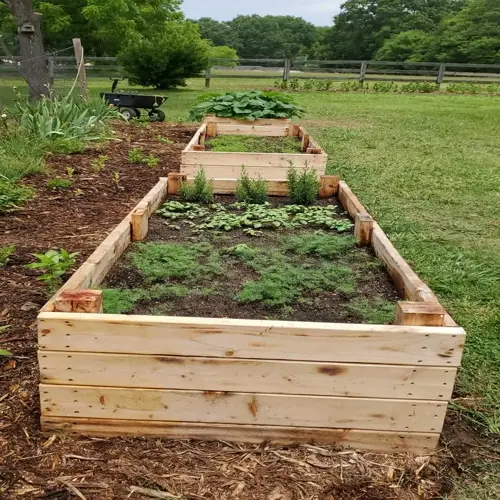

I pushed the probe into the sandy-loam vegetable bed against the back fence and it settled on 6.3. Two weeks later my mailed lab report came back at 6.3 for that same patch of dirt. The numbers matched to the decimal. My little hand-held tool earned a spot in my garden bag that day.
The best way to test soil pH is a lab slurry test, and it is the gold standard for accuracy. For checks you run yourself at home, a good soil pH meter is the best tool you can buy. Reach for the meter when you want a fast reading. Save the lab for the moments that really count.
I keep my soil pH meter clipped to the shed door so I never skip a check. Here is how the common methods stack up so you can pick the right one for the job.
The lab wins for one clear reason. A lab mixes your sample into a 1:1 soil-to-water slurry and reads it with a calibrated electrode. That setup strips out the things that throw off field tools, like dry dirt, poor probe contact, or a meter that drifted out of tune. You get a number you can trust enough to spend real money on amendments.
Home tools trade a bit of that precision for speed and a low price. One study put real numbers on this. Researchers checked home methods against the average of 82 labs, and the hand-held meter came out closest. That result comes from a University of Arkansas study, shared by OSU Small Farms. It is why the meter sits at the top of the home options. Color kits landed in the middle. Cheap probes were the worst, and they could not tell apart samples more than two points apart.
Price is part of the choice too. Fine Gardening puts the spread for home testers at roughly 7 to 100 dollars, so you can start cheap and move up later. Strips and color kits sit at the low end and give you a rough ballpark. A solid meter costs more. It pays you back with readings you can repeat week after week, and you never buy refill chemicals.
My own routine is split between the two. I take a quick meter reading every few weeks, plus an extra one whenever a bed looks off or a crop sulks. Strips live in my kit as a backup for when the meter battery dies. I have learned to trust the meter for day-to-day calls, but not for the expensive ones.
My advice is simple. Use a soil pH meter for routine checks across the season, and take a fresh reading whenever a bed looks off. But before any major liming decision, send a sample for a lab soil test first. Lime can take up to two years to fully work. Over-liming a sandy bed is hard to walk back. So you want a lab-grade number in hand before you spread a single bag.
Pair the two and you cover every situation. The meter gives you fast, repeatable checks for daily care. The lab backs you up before the big, costly moves. Start with a meter this week. Then mail a sample the next time you plan to change your soil for good, and you will spend on amendments with real confidence.
Read the full article: Soil pH Testing: A Clear, Accurate Guide