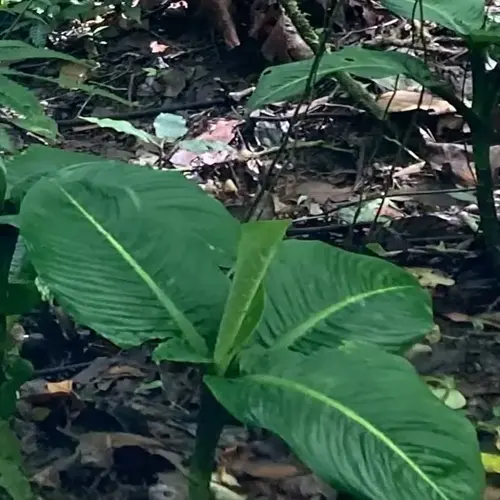

My "Fascinator Tricolor" began as one 4-inch nursery pot three years ago. Now its low clump of pink-veined leaves spreads across the whole bathroom shelf. Fresh shoots push up at the edges every spring. I have not done much beyond water it and keep the air damp.
That spread is the real answer to the prayer plant lifespan question. A well-cared-for maranta lives for many years. You can keep one going for as long as you want to. So when people ask how long do prayer plants live, the honest reply is simple. They do not fade out on a fixed timer. They renew themselves instead, which makes them easy to hold onto for the long haul.
The reason comes down to how the plant grows. A maranta is what growers call a rhizomatous perennial, and the name sounds harder than the idea. It grows from thick underground stems called rhizomes. Those rhizomes creep outward under the soil and send up new shoots as they go. Old leaves yellow and drop over time, and that is normal. But the plant as a whole keeps making fresh growth from below the surface.
Think of your prayer plant as a small colony, not one single stem. The leaves you see now are not the ones you will see in a few years. The plant cycles through them. Meanwhile the rhizome network underneath stays alive and keeps spreading. This is why a tired-looking maranta can bounce back so well once you fix its care. The roots have not given up, even when the top looks rough.
The best trick for long-term health is dividing a prayer plant when you repot it. Every couple of years the clump gets crowded and the center can thin out. The first time I tipped mine out of the pot, I found clear sections of rhizome. Each one had its own roots and shoots. You can pull or cut these apart into two or three pieces with little fuss.
Each piece becomes a fresh, strong plant from the same original. This refreshes the parent clump and hands you new plants for free. I divided my own clump last spring and ended up with three full pots. Dividing a prayer plant also keeps the soil and roots young. The whole group grows with more energy than one packed pot ever could. It is the closest thing to a reset button this plant has.
Day-to-day care decides how many healthy years you get. Give your maranta bright indirect light and keep the air humid, above 50% if you can. Water it with filtered or distilled water once the top inch of soil dries out. Tap water often holds fluoride and chlorine that burn the leaf tips over time. Keep those three things steady and the plant rewards you with dense, colorful growth.
Watch for the small signs that care has slipped. Crispy edges point to dry air or hard water. Curling leaves mean the plant is thirsty or sitting in too much sun. Faded color usually means it is getting more direct light than it likes. Fix the cause early and the new growth comes in clean. A maranta that keeps pushing fresh shoots is a maranta with plenty of years left in it. A neglected one can stall, but it rarely dies outright as long as the roots stay sound.
So you can skip worrying about a fixed prayer plant lifespan with an expiry date on your shelf. You just stay on top of light, humidity, and watering. Then divide the clump every two to three years to keep it young. Do that, and your prayer plant will keep renewing itself well past the point where most houseplants give up.
Read the full article: Maranta Plant Care: A Complete Guide