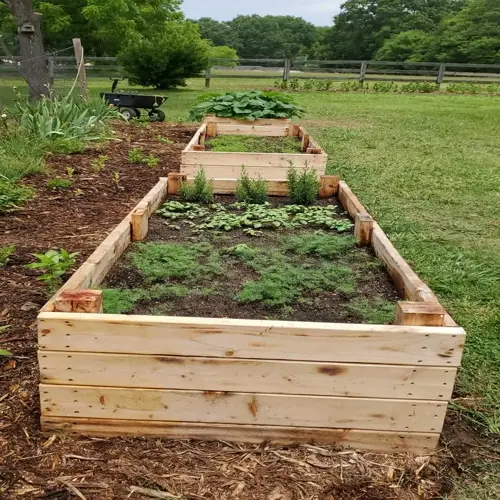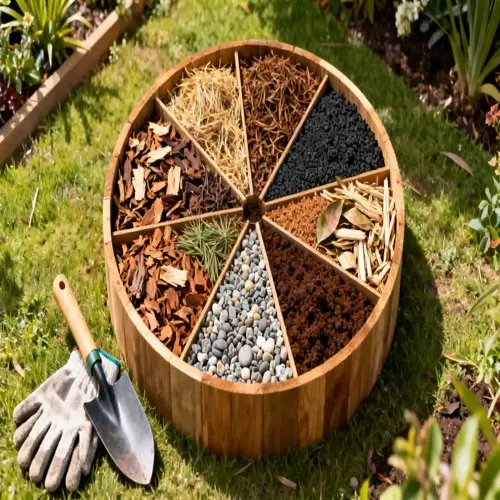

I planted two rhododendrons in the north-side corner of my yard, tucked behind an old fence. For two springs their leaves looked pale and washed out, more yellow than green. Then I dug in compost and pine needles and the soil there finally tested in the low 5s. Within a season those same leaves turned a deep, waxy green you could spot from the porch. The corner glows now, and the blooms came back thicker than ever.
Rhododendrons want acidic ground, and the right rhododendron soil pH falls between 4.5 and 5.5. That range sits well below what most garden plants enjoy. Hit it, and your shrubs reward you with rich color and steady growth. Miss it, and they sulk no matter how much you feed or water them. The pH is the first thing I check on any sad-looking rhododendron, before I touch the watering can or the fertilizer bag.
The reason comes down to iron. These plants belong to the heath family, so they need ericaceous soil that stays sour and rich in organic matter. When the pH climbs too high, iron in the ground locks up and the roots cannot pull it in. You will see the leaves yellow between the veins while the veins themselves stay green. Gardeners call this iron chlorosis, and it is the most common complaint you will run into with these shrubs.
Keep your soil in that low range and the iron stays free, so the leaves hold their color. This is why a rhododendron in neutral or limey soil fades even when you feed it well. The problem is not a lack of nutrients. The nutrients are sitting right there in the dirt. Your plant just cannot reach them when the pH is wrong, so feeding harder never fixes a chlorosis caused by alkaline ground. You have to fix the pH first.
Rhododendrons share this taste with other acid-loving plants. Blueberries sit in the same group and aim even lower, near 4.8. Azaleas are close cousins and want the same range too. All of them like that 4.5 to 5.5 window. Most vegetables, lawns, and flowers prefer 6.0 to 6.8 instead. That gap is why these shrubs do best in their own bed. If you group your rhododendrons with your blueberries and azaleas, you can acidify one patch of ground and keep them all happy at once.
Before you plant, check your rhododendron soil pH with a cheap soil pH meter or a test kit from the garden center. This one step saves you from years of struggle with a shrub that never settles in. Test a few inches down where the roots will grow, not just the surface. The two can read quite differently. I take three samples across the bed and average them, since one reading can fool you on uneven ground.
If your reading comes back too high, work in elemental sulfur to bring it down over time. Soil bacteria turn that sulfur into acid, so the change is slow and steady rather than sudden. Apply it months ahead of planting when you can, then retest before you set the shrub in the ground. Follow the rate on the bag for your soil type, because heavy clay needs more sulfur than light sand to move the same amount. Warm soil speeds the process, so a fall application has all winter to work. Give your shrubs the right acidity and you will get that deep green corner for years.
Read the full article: Soil pH Testing: A Clear, Accurate Guide