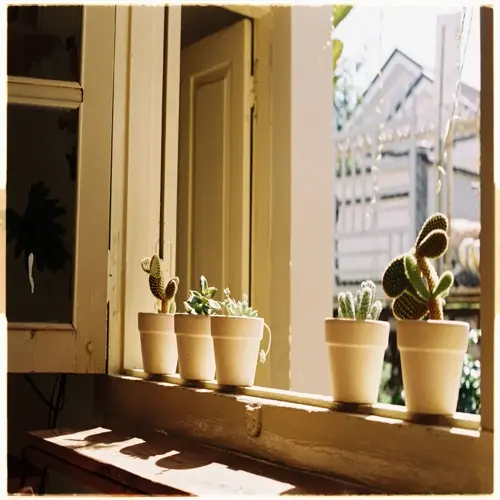

A small jar of ground cinnamon sits beside my propagation tray on the south-facing windowsill. I dusted the cut end of an echeveria leaf rust-brown with it this morning, and now it dries on a saucer in the afternoon light. People put cinnamon on succulents for one plain reason. It helps a fresh cut dry out and seal so the cutting doesn't turn to mush before it roots.
Cinnamon is cheap, and you probably have it in your kitchen already. That is most of its appeal as a propagation aid. A pinch on a wound gives you a quick, low-cost way to fight the rot that ruins so many cuttings. The rust-brown coating on my echeveria leaf isn't doing magic. It is a dry powder pulling moisture away from a raw surface, and that is all the job it has.
Using cinnamon for cuttings makes sense once you know how succulents fail. A fresh cut is an open wound full of water. Leave that wet edge in damp soil and you let fungus move in fast. Your cutting goes soft and black from the base up. People put cinnamon on succulents at this stage for a reason. The powder coats the raw flesh and helps it dry. It also fends off the mold that would take hold while the wound is still open.
The real work, though, is done by drying, not by the spice. Succulent cuts rot when they stay damp. The fix is to let the wound harden into a dry scab first. Gardeners call this step callousing. UC Master Gardeners advise letting a cutting callous before you plant it. They give this advice to stop rot once the cutting goes into soil. So preventing succulent rot starts with that callous. Cinnamon is best seen as a folk helper for the same step, not a product you must buy.
Cinnamon is optional. The callous is not. A cutting that dries for a few days before planting resists rot whether or not you ever reach for the jar.
Here is how the callous forms in practice. Cut your leaf or stem with a clean blade, set it on a dry saucer out of direct sun, and wait. Within two to five days the raw end shrinks and toughens into a dry seal. I dust that cut with cinnamon right after slicing, but the air is doing the heavy lifting. The powder just gives the surface a head start while it firms up. When you check your saucer a few days later, the dusted ends feel papery and hard, and that dry edge is the part that protects your cutting.
Skip the cinnamon and your cuttings can still root with no trouble. Plenty of growers never touch the stuff. What actually protects a young succulent comes down to three habits. Make a clean cut with a sharp, wiped blade so you don't crush or infect the tissue. Let the wound callous in dry air before it meets any moisture. Then plant into gritty, fast-draining soil that never holds water around the base.
Treat the spice as a small bonus, not a cure. If a cutting sits in soggy mix or got planted the same hour you cut it, no amount of dusting will save it. I lost a tray of jade that way before I started waiting for the callous. Cinnamon can shave a little risk off an already sound process. It cannot fix a wet pot or a fresh, unhealed wound. The dry callous and the gritty soil are what keep your succulents alive. The jar on my windowsill is just there for peace of mind. Most days you could leave it in the cupboard and still root every cutting on the tray. Putting cinnamon on succulents is a habit worth keeping, but it stays a small extra on top of good drying.
Read the full article: Succulent Plants: Complete Care Guide