
Some of it will grow, but the results turn out thin and patchy. Spreading grass seed on top of bare ground leaves most of the seed exposed, and exposed seed is the seed you lose. Birds pick a lot of it off within the first day or two. The rest sits on a dry surface that heats up in the sun, and seed that dries out before it roots never sprouts at all. You can get a usable lawn this way, but you waste a good chunk of the bag doing it.
The fix comes down to seed to soil contact. A grass seed needs to sit snug against damp ground so it can pull in steady moisture from below. When a seed lies loose on the surface, only one tiny point touches the soil, and that point dries out fast between waterings. Press that same seed into the top layer and it stays moist far longer. That steady dampness is what wakes the seed up and keeps it going.
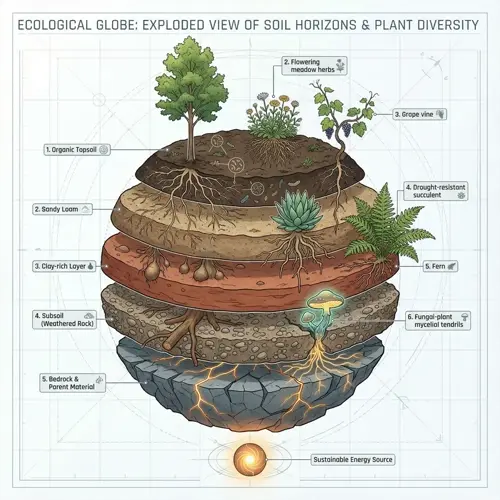
Here is the mechanism behind even germination. A seed swells with water, splits its coat, and pushes out a root before the first blade ever shows. All of that happens in the top quarter inch of soil, and it stalls the moment the seed dries. Seeds buried under a thin layer of compost hold water around them through a warm afternoon. Seeds left bare on top dry out by midday. That single difference is why a raked-in patch comes up thick while a scattered patch comes up in scattered clumps.
Rake your seed in with the back of a leaf rake, then water with a fine spray. The goal is to nestle seed into the surface, not bury it deep.
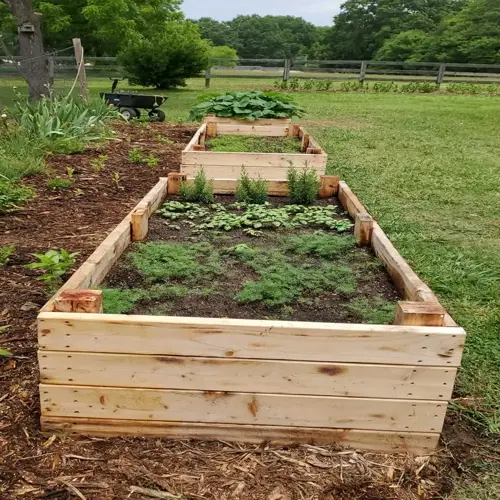
This is the same idea behind no-till sowing. When you sow into a soft layer of compost instead of digging the ground first, the seed settles into a crumbly bed that grips it on every side. A covered bed holds moisture around the seed. Bare ground lets the wind and sun pull that moisture away. You are not feeding the seed with the cover. You are trapping the water it needs to start. That is why a thin top layer does so much heavy lifting for so little effort.
So spread your seed, then take one more step before you walk away. Drag the back of a rake across the area to work the seed into the top layer, or scatter a thin quarter-inch layer of compost over the top. Either one settles the seed against damp ground and shields it from hungry birds. Both beat bare seed by a wide margin, and the compost adds a little food for the new roots as a bonus. Skip the temptation to bury it deeper than that. Seed pushed down an inch or more wastes its energy reaching the surface and often never makes it.
A couple of common mistakes turn a good sowing into a bad one. The first is going too heavy, since piled-up seed crowds itself and the seedlings grow weak and thin. A light, even hand gives each seed room to root. The second is sowing onto a hard, crusted surface where nothing can grip. Loosen the top half inch first with a rake so the seed has something soft to settle into. Get those two right and your cover step does the rest of the work for you.
After that, water is the whole game. Keep the surface damp, not soaked, for the first two to three weeks while the seed sprouts. That usually means a light spray once or twice a day in warm weather, since the top layer dries quickest. Let it dry out for even a single hot afternoon during this window and you can kill the seed that has already started to swell. Stay on top of the watering and your scattered seed turns into a thick, even stand instead of a thin one.
Read the full article: No Till Gardening: A Complete Guide