Herb · Apiaceae
Anise
Pimpinella anisum
Sow it once, leave the taproot undisturbed, and a long warm summer drives anise straight to fragrant seed.
Full sun
Every 3–7 days
50–86°F · 10–30°C
100–120 days
Overview
Anise delivers that warm, licorice-sweet kick you taste in bread and liqueurs, and it grows as a soft annual in the carrot family right beside dill and fennel. It traveled out of the eastern Mediterranean and the Levant, where long, warm seasons gave it everything it craves. Growers chase the seed, the aniseed of the spice rack, and the lacy young leaves earn a spot in the kitchen on the side.
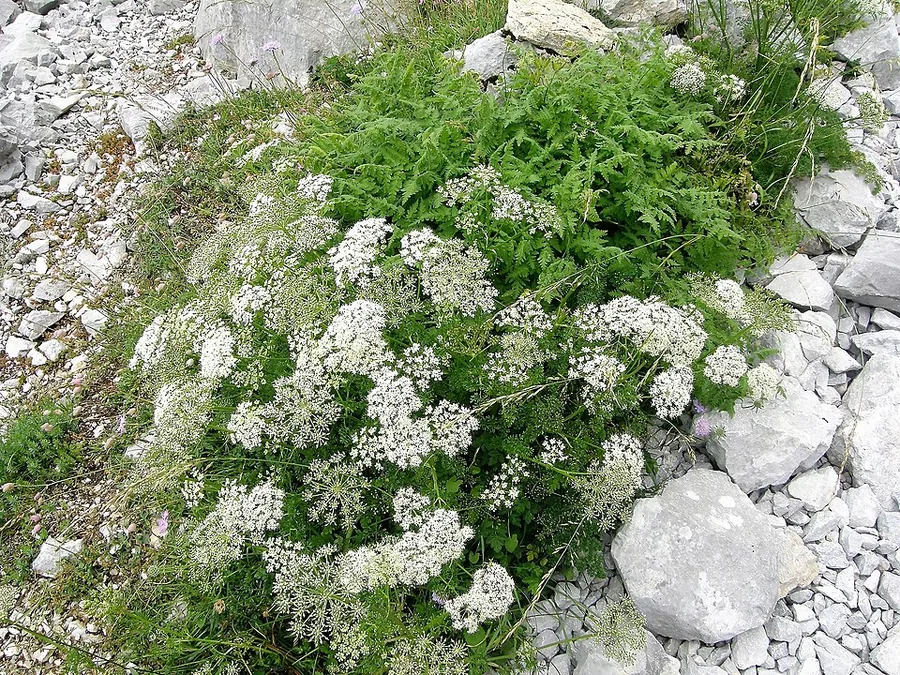
It keeps a tidy frame at 18 to 24 inches (45 to 60 cm), throwing up feathery lower leaves and flat white flower heads that burst open in mid-summer. Once the blooms drop, the seed sets and slowly dries to a gray-brown, firing the signal to harvest. Brush the planting and it fills the air with that bright anise scent.
One thing rules the whole game: anise refuses to be moved. It drives down a taproot that resents disturbance, so you sow it where it will stand and let it rip. Hand it sun, warmth, and a long enough season, and it carries the whole crop forward with almost no fuss from you.
Care
The short version: full sun, light well-drained soil, and steady moisture while it gets rolling. Sow the seed straight into the ground after frost, feed it lightly, and turn it loose on a long warm season to ripen the seed.
Light
Anise hungers for full sun, and the more it grabs the better it cranks out seed. A bright, open spot ripens the crop and keeps the soft stems tight, while shade hands you weak plants and a thin harvest.
Water
Keep the soil evenly moist while the seed germinates and through any dry spell. An established plant shrugs off short dry runs, but standing water rots the roots fast, so let well-drained soil pull its weight.
Soil
Plant it in light, well-drained loam with compost mixed through. A pH between 6.0 and 7.0, riding neutral, keeps it happy, and loose ground lets the taproot punch straight down.
Temperature
Anise runs across 50°F to 86°F (10°C to 30°C) and pushes toward the warm end. It needs a long, mild stretch to ripen seed, so cold, short summers leave the crop green and unfinished.
Humidity
Average outdoor humidity around 40% to 60% covers it, and there is no number to sweat. Airflow does the heavy lifting, since crowded, damp foliage rolls out the welcome mat for aphids and rot.
Feeding
Anise eats light, so work in compost or a balanced fertilizer once before sowing and stop there. Pile on the nitrogen and you grow soft, floppy stems that buckle as the seed heads load up.
Pruning
There is barely a thing to do. Pinch young plants once to push them bushier, but never transplant, since the taproot resents the disturbance. Leave the flower heads alone and let the seed ripen.
Repotting
Anise skips pots entirely. It runs as a direct-sown annual in the ground, so there is no repotting and no roots to coil. Sow it in its final spot and let it finish the season right there.
Size & spacing
Plants shoot to 18 to 24 inches (45 to 60 cm) tall with a slim spread of 8 to 12 inches (20 to 30 cm). Hand each one that much room, or sow a tight block so the stems lean on each other and hold the line.
When to plant
Anise runs on warmth and a long season to ripen, so it heads outdoors only once the last frost clears and the soil warms up. Sow it in place in late spring, hunt for white flower heads in mid-summer, and grab the seed the moment it dries to gray-brown in late summer or fall.
Northern hemisphere
Southern hemisphere
Typical months for a temperate climate: start earlier in warm zones, later where spring frosts linger.
- Sow: Generally avoided; the taproot resents transplanting, so direct sowing is preferred
- Plant: After the last frost once soil is warm (about 60°F); needs roughly 120 frost-free days to ripen seed
- Harvest: White flower umbels appear in mid-summer; harvest seed when ripe and gray-brown in late summer to fall
Hardiness
USDA hardiness zones: 4–11
Temperature: down to -34°C
Troubleshooting
Anise mostly sails through the season, but a few snags can catch it. They tend to surface on the foliage or the seed heads, and most trace back to a season cut short or soil packed too rich. Match the symptom below and jump on it early.
Seed stuck green and soft before the frost
Anise chases a long, warm summer to finish its seed, so a short or cool season catches the heads soft and green at the wire. Beat it by sowing the moment frost lets go, and stake out the warmest, sunniest patch you can find. When summer turns cool, throw a row cover over the bed and claw back the warmth the weather is hoarding.
Fix:
- Plant as early as safely possible after last frost
- Grow in the warmest, sunniest available site
- Use row covers to extend warmth
Tiny soft bugs swarming the lacy leaves
Spot those clusters and you have found aphids, with their telltale sticky honeydew glinting on the foliage. Flip the leaves over to expose the colonies that camp underneath, then drive them off with a sharp jet of water. Keep at it with insecticidal soap if they return, and dial back the nitrogen to stop the soft new growth that draws them in.
Fix:
- Dislodge with a strong jet of water
- Apply insecticidal soap if needed
Stems toppling as the seed heads swell
Watch the stems go over and you are seeing lodging, the work of wind shoving those top-heavy umbels around. Rich soil and crowding only fuel it, pushing out soft, leggy growth that buckles fast. Pop in a few short stakes to brace them, or sow a snug block so the plants throw their weight against each other and hold firm.
Fix:
- Provide light staking or grow in blocks for mutual support
Toxicity
Great news on safety: anise is a culinary herb and plays nicely with pets, livestock, and people. It stays off the ASPCA's toxic list, and the seed even pulls double duty luring and rewarding dogs in training. Only the concentrated essential oil demands care, so park that well out of reach. One heads-up: this is true anise, not the unrelated star anise.
Safe for
People · Cats · Dogs · Horses · Rabbits · Livestock · Birds
Cats Safe
Cats get the all-clear, since the ASPCA keeps anise off its list of plants toxic to cats. A quick nibble of the feathery leaves does nothing, though a cat that piles into any new green might wind up with a mildly upset stomach.
Dogs Safe
Dogs are right at home with anise, and trainers actually grab the seed as a scent reward. Let a dog chew the plant and it shrugs off any harm with ease.
Horses Safe
Horses can graze around anise with zero trouble. It packs none of the toxins that turn other garden plants into a worry near livestock.
Rabbits Safe
Rabbits can crunch the lacy foliage without a hitch. Keep the helping small, as you would any treat, and serve it next to their usual hay and greens.
Livestock Safe
Cattle, goats, and sheep all do fine around anise, and the herb boasts a long run as fodder and a flavoring for milk.
Birds Safe
The seed and foliage do birds no harm, and plenty of them will swoop in to peck the ripe anise heads right in the garden.
People Safe
Anise lives in the kitchen, plain and simple. The leaves and seed go into everything from bread to liqueurs, and only the concentrated essential oil asks you to handle it with a careful hand.
Foliage and seed are non-toxic, but concentrated anise essential oil should still be kept away from pets.
Varieties
There is hardly a lineup to pick through with anise. Growers run it almost entirely as the plain species, so the real job is nailing down the right plant from the start.
Common anise (species type)
Nearly all anise you grow is the plain unimproved species, since named cultivars are thin on the ground, and the one rule is to never mix it up with the unrelated star anise.
How to propagate
Anise springs from seed and nothing else, and it demands a sowing right where it will grow. The win comes from timing it to the warm soil it wants and keeping your hands off the seedlings once they pop.
SeedModerate
Direct sow after the last frost once soil has warmed · Germinates in about 1 to 2 weeks; reaches seed maturity in roughly 100 to 120 days
Anise launches from seed alone, and it goes straight into its final home because that taproot flat refuses to be moved. Wait out the frost, let the soil warm up, then tuck the seed in place and watch sprouts break through in 1 to 2 weeks. Soak the seed overnight first to fire it up faster. From there the plant powers through 100 to 120 days to ripen its seed, so an early sowing pays off big.
Myths
Anise and star anise are the same spice.
They land on the same flavor thanks to a shared compound called anethole, but the resemblance stops there. True anise is Pimpinella anisum in the carrot family, a soft annual herb, while star anise is Illicium verum, a woody tree from a wholly different family. Swapping one for the other simply does not work.
Anise transplants as easily as most herbs.
Anise drives down a deep taproot that hates being moved, and a disturbed seedling tends to sulk or die on you. Sow the seed right where the plant will spend the season instead of raising it in cells and shifting it around later.