Herb · Apiaceae
Cumin
Cuminum cyminum
Give it full sun and a long, hot summer, and cumin pays you back with a jar of its own fragrant seed.
Full sun
Every 3–7 days
50–95°F · 10–35°C
100–120 days
Overview
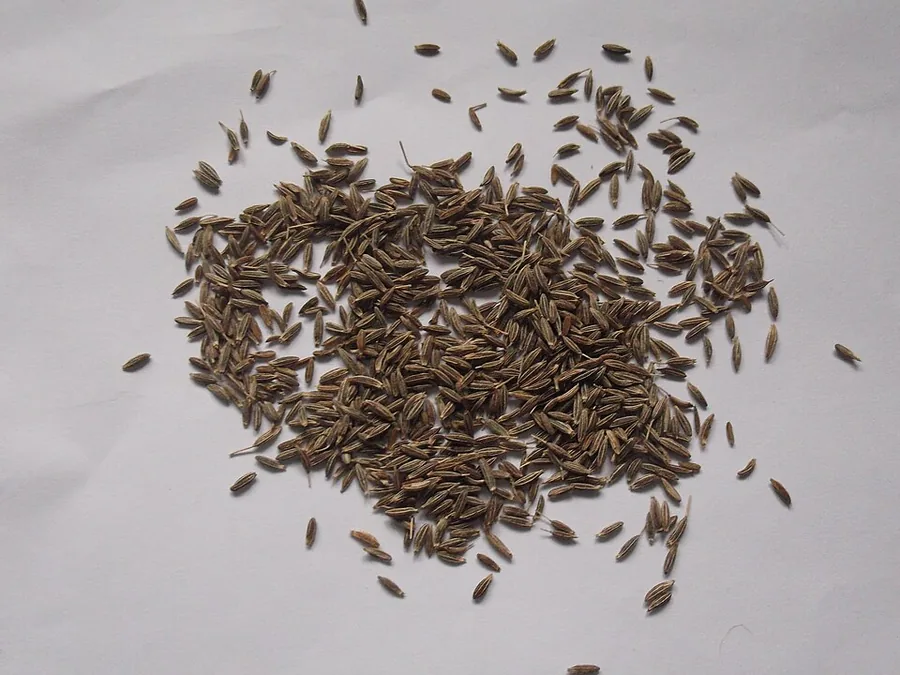
Cumin packs the warm, earthy punch behind so much of the world's cooking, and the best part is that it perfumes the garden every bit as much as the spice jar. It runs with the carrot and parsley family, throwing up fine, thread-like leaves and small umbels of white to pink flowers through summer. Chase the seed, which ripens later once those flower heads dry and turn brown, and the whole season builds toward that one rewarding moment.
Make no mistake, this herb makes you earn it, and that is half the fun. Cumin demands a long, hot run of 100 to 120 days to drive its seed to ripe, so it powers ahead in warm regions and pushes anyone with a short summer to plan smart. Where the heat holds, it grows as a tidy annual, knee-high at most, racing through its whole life in a single season.
Put in the work and the table pays you back in full. Bring a row to ripeness and you fill a jar with your own toasted, fragrant seed, and few garden wins feel better. Nail the timing and the heat and cumin runs smooth and rewarding, while a rushed season just leaves green heads that never dry, which only sharpens your aim for next year.
Care
The short version: full sun, warm well-drained soil, and steady moisture early on, then back off the water as the seed heads ripen and let a long, hot season power it home.
Light
Cumin demands full sun and accepts nothing less, with no shade tolerance to fall back on. Pour on the direct light and heat and you sharpen its odds of ripening seed before the season runs out.
Water
Keep the soil evenly moist through germination and early growth, the stretch when young plants stumble the easiest. Once the seed heads form and ripen, dial back the water so the heads dry out and disease loses its opening.
Soil
Set cumin into well-drained sandy loam, since it flat-out refuses wet feet. It rolls with a wide pH range from 6.8 to 8.3, perfectly at home in neutral to fairly alkaline ground.
Temperature
Cumin runs hot and happy from roughly 50°F to 95°F (10°C to 35°C), with zero patience for cold. Frost knocks it out cold, and a cool summer leaves the seed stuck unripe.
Humidity
It thrives with the air kept dry, around 40%, true to its hot, arid roots. Damp, muggy conditions only crank up the disease risk, especially as the seed heads ripen.
Feeding
Hit it with one light feeding of balanced, low-nitrogen fertilizer at planting and stop there. Overdo the nitrogen and you trigger soft leafy growth that lures aphids and does nothing for the seed.
Pruning
Cumin skips pruning entirely, so that chore is off the table. Just thin the seedlings so they are not crowded and clear weeds early, since this little plant gets muscled out fast.
Repotting
not applicable (annual, direct-sown or transplanted once)
Size & spacing
Cumin stays compact, topping out at just 8 to 20 inches (20 to 50 cm) tall with a spread of 6 to 12 inches (15 to 30 cm). Hand each plant a little elbow room so air flows and the seed heads dry clean.
When to plant
Cumin runs on warmth and flatly rejects frost or a cool, short summer. Sow it after the last frost once the soil heats up, or fire off an early indoor start where the season runs short, then let it ripen its seed from late summer right into fall.
Northern hemisphere
Southern hemisphere
Typical months for a temperate climate: start earlier in warm zones, later where spring frosts linger.
- Sow: 4-6 weeks before last spring frost where the season is short
- Plant: After last frost when soil is warm (above 15°C/60°F); needs a long hot season of roughly 100-120 days
- Harvest: Small white to pink flowers in compound umbels in summer; harvest seed when umbels turn brown and seed is ripe in late summer to fall
Hardiness
USDA hardiness zones: 5–11
Temperature: down to -29°C
Troubleshooting
Most cumin trouble lands in two spots: pests piling onto the soft young foliage, and a season that quits before the seed ripens. Stay sharp on the leaves early and the heads late, and you can jump in while it still turns the outcome.
Seed heads still green when frost looms
Cumin chases heat, demanding a full 100 to 120 days of it to push its seed all the way to ripe, so a short or cool summer strands the heads green and unfinished. Hand it your hottest, sunniest corner and hold off sowing until the soil really fires up. Got a brief season? Kick things off indoors and grab back those crucial extra weeks before they slip away.
Fix:
- Start seed indoors to extend the effective season
- Choose the hottest, sunniest site and plant after soil is fully warm
Wilting and yellowing as the roots fail
Watch a plant yellow, wilt, and topple, and the trouble is almost always root rot or a soilborne wilt attacking below the surface in soil that holds water too long. Dig one up and the roots give it away, browned and decayed instead of firm and white. There is no rescuing an infected plant, so yank it, destroy it, fix that drainage, and shift cumin to fresh ground next year to keep your patch thriving.
Fix:
- Remove and destroy affected plants
- Improve drainage and avoid overwatering
Leaves curling up with a sticky coat
Spot curling new growth with a sticky coat and you have caught aphids in the act, sipping the soft leaves and dropping honeydew as they go. Flip a few of the feathery leaves and you will find them clustered on the undersides, easy to confirm in seconds. Blast them off with a hard jet of water and they scatter fast, with insecticidal soap ready to finish the job if any dare come back.
Fix:
- Spray plants with a strong jet of water to dislodge aphids
- Apply insecticidal soap to affected foliage if infestation persists
Toxicity
Cumin earns an easy thumbs-up as a culinary spice that is safe across the board. The seed shows up in kitchens everywhere, and neither the foliage nor the seed packs a toxin that threatens pets, livestock, or people. Nothing more than ordinary garden and kitchen sense is needed.
Safe for
People · Cats · Dogs · Horses · Rabbits · Livestock · Birds
Cats None
Cats can roam right up to cumin with nothing to fear. A nibble of the feathery foliage will not poison them, though a really big mouthful of any new plant might leave a cat briefly queasy.
Dogs None
Dogs get the all-clear around cumin. The plant and its seed pack no toxin, and a pinch stirred into dinner does no harm at all.
Horses Safe
Horses can graze right alongside cumin in full safety. Nothing in the leaves, stems, or seed works as a poison for them.
Rabbits Safe
Rabbits can browse near cumin without a worry. The lacy foliage holds no toxin, so the odd bite is completely harmless.
Livestock Safe
Cattle, goats, and sheep can mill around cumin with zero danger. It carries no compound that gives grazing animals any grief.
Birds Safe
Birds get nothing but a free snack from cumin. The ripe seed is a familiar food, theirs to peck at all they like.
People Safe
Cumin seed is an everyday kitchen spice and a delight to eat. The leaves and seed carry no toxin, so you can harvest and cook with total confidence.
No special handling precautions are required; the seed is a common food spice.
Varieties
Cumin grows almost entirely as the plain species rather than a lineup of named cultivars. There is just the one to get to know.
Common cumin (species type)
Almost every cumin you will ever grow is the plain species rather than a named cultivar, so just keep it straight from the unrelated black cumin, nigella, and caraway it so often gets muddled with.
How to propagate
Cumin fires up only from seed, and the real game is heat, not technique. Lock in the timing and the rest falls right into place.
SeedDemanding
After last frost in warm soil, or started indoors 4-6 weeks earlier where the season is short · Roughly 100-120 days from sowing to ripe seed
Cumin springs from seed alone, and it will sit tight until the soil warms before it bothers to germinate. Drop the seed once frost clears, or jump ahead indoors 4 to 6 weeks early where summers run short, since it hungers for a hot 100 to 120 days to drive seed all the way to ripe. Sow or transplant it once, then turn it loose to power through its full season.
Myths
Cumin grows easily in any climate, just like other garden herbs.
Cumin craves heat far more than the easygoing herbs beside it, demanding a long, hot run of roughly 100 to 120 days to ripen its seed. Hand it a short or cool summer and the heads stall out green, never drying and browning before frost, and the harvest never lands, so chase the warmest season you can find.