Vegetable · Zingiberaceae
Ginger
Zingiber officinale
Give it warmth, steady moisture, and dappled light, and one rhizome erupts into a whole season of fresh ginger.
Partial shade
Every 2–4 days
59–86°F · 15–30°C
240–300 days
Overview
Ginger is a tropical perennial worth getting excited about, grown for the knobby, aromatic rhizome that powers so much cooking. It hails from the warm, humid forests of Asia, and that origin drives every move you make with it. Hand it heat, moisture, and broken light and it charges into growth; leave it cold and wet or bone dry and it grinds to a halt.
Where summers run warm it thrives in the ground, and everywhere cooler it runs beautifully as a long season annual. Kick things off by starting a rhizome piece indoors in late winter, push it outside once frost clears, and dig the crop before the cold rolls back. A pot works a treat too, turning a bright porch or windowsill into a mini tropical patch.
The one thing it demands is patience, and the payoff is huge. Ginger takes the better part of a year to bulk up, around 8 to 10 months from planting to a mature harvest, though you can raid the bed for tender baby ginger long before that. Keep it warm, fed, and evenly watered across that stretch, and a single rhizome hands back a haul.
Care
The short version: load it up with bright, dappled light and steady warmth, keep the soil evenly moist but never soggy, crank the humidity, and hold your nerve through a long season before you dig.
Light
Ginger thrives in bright but filtered light, the dappled glow it would catch beneath a forest canopy. Park it where morning sun gives way to afternoon shade and it powers along, but keep blazing midday sun off it, since that scorches the leaf edges.
Water
Keep the soil evenly moist all through the growing season, but never let it slump into a swamp, since soggy ground rots the rhizomes fast. Then dial back the watering as the foliage yellows near harvest, which helps the rhizomes firm up and cure.
Soil
Plant into rich, loose, well drained loam stuffed with organic matter so water races through. A slightly acidic pH of 5.5 to 6.5 hits the mark, and sharp drainage counts here more than almost anything else you can do.
Temperature
Warmth is the whole game. Ginger surges between 59°F and 86°F (15°C to 30°C) and stalls or dies in the cold, so keep it inside until every frost has cleared and the soil has warmed.
Humidity
This one loves damp air, happiest at 70% to 90%. Dry indoor air crisps the leaf tips, so cluster it with other plants, perch it over a pebble tray, or run it somewhere naturally muggy.
Feeding
Feed it monthly through spring and summer with a balanced fertilizer or compost, side-dressed as new shoots rocket up. The long season pulls hard on the plant, so steady feeding pays off big at harvest.
Pruning
Ginger barely needs a snip. Strip off any yellowed or dead foliage, cut flower stalks if you're chasing the root, and cut back the top growth as it dies down heading into harvest.
Repotting
In a pot, refresh ginger every year or season, since the rhizomes spread fast and pile up at the surface. The moment roots circle the pot or shoot out the drainage holes and growth eases, drop it into fresh mix with more room.
Size & spacing
Look for a clump of upright, reed-like shoots rocketing to 2 to 4 feet (60 to 120 cm) tall and spreading 12 to 24 inches (30 to 60 cm) wide as the rhizomes fan out underground.
When to plant
Ginger craves a long, warm run and shrugs off nothing colder than frost, so time it right and it powers ahead. Start a rhizome piece indoors in late winter, drive it outdoors once the soil warms past the last frost, and start harvesting from early autumn as the foliage yellows and dies back.
Northern hemisphere
Southern hemisphere
Typical months for a temperate climate: start earlier in warm zones, later where spring frosts linger.
- Sow: late winter to early spring (start rhizome pieces indoors in warmth)
- Plant: after all danger of frost has passed and soil has warmed
- Harvest: harvest young 'baby' ginger about 4-5 months after planting; mature ginger about 8-10 months when foliage yellows and dies back
Hardiness
USDA hardiness zones: 9–12
Temperature: down to -7°C
Troubleshooting
Most ginger trouble kicks off underground or in the moisture hugging the roots, so that is where to aim your attention. Keep tabs on the rhizomes and the lower foliage, since rot, wilt, and stress fire their first warning there. Match your symptom below and jump on it before it rips through the bed.
Rhizomes going soft and sour under the soil
The culprit here is soft rot, driven by Pythium or Fusarium fungi that pounce on soil that never dries out. The rhizomes turn to slime and reek, and once that starts there is no winning them back. Dig out the sick plants and toss them, sharpen up the drainage, and relaunch with clean, healthy seed pieces in fresh media.
Fix:
- Remove and discard affected plants and rhizomes
- Improve drainage and avoid waterlogging
- Replant only clean, healthy seed pieces in fresh or pasteurized media
Shoots crashing down with a milky ooze
This is the heavy hitter, bacterial wilt from Ralstonia solanacearum, and it tears through warm, wet soil. Grab a wilted stem, snip it, and dunk it in clear water; a milky plume streaming out nails the diagnosis. Rip out and destroy the infected plants, and keep ginger and its cousins off that ground, since the bacteria dig in for years.
Fix:
- Remove and destroy infected plants
- Do not replant ginger or related crops in infested soil
- Practice long crop rotation and use clean seed
Leaf edges yellowing and crisping brown
Brown, crisped edges shout too much sun or heat, and they flare worst on the side catching the fiercest light. Patchy watering or a hungry plant can parch those margins just as fast. Slide it into dappled shade for the hottest hours, hold the soil evenly moist, and feed it if growth has stalled, and it bounces right back.
Fix:
- Provide dappled shade during the hottest part of the day
- Maintain even soil moisture
- Apply balanced fertilizer if growth is poor
Toxicity
Ginger is a joy to grow around the whole household. The rhizome is a kitchen spice devoured the world over, and it is safe for people and pets alike, with nothing on it the ASPCA flags as toxic. Grow it, handle it, and cook with it, all with zero worry.
Safe for
People · Cats · Dogs · Horses · Rabbits · Livestock · Birds
Cats Safe
Great news for cat owners: ginger never landed on the ASPCA's toxic list, so a cat that nibbles a leaf or a scrap of root shrugs it off. Pile a big helping of the spicy rhizome into a sensitive stomach and it might grumble briefly, but the plant itself is no threat.
Dogs Safe
Dogs can chomp the foliage or the root and stay perfectly fine, and small amounts of ginger already flavor loads of dog treats. Only a full-on binge on the pungent rhizome might loosen the stomach for a day, which is the whole of it.
Horses Safe
Horses handle ginger with no fuss at all, and it even turns up in a few equine supplements. Nothing in the plant carries any trouble for them.
Rabbits Safe
A rabbit can munch the leaves safely and happily. Most steer clear of the root because it bites back, so offer only a tiny taste if you offer any.
Livestock Safe
Cattle, goats, and sheep can browse the foliage and walk away unharmed. Ginger packs none of the compounds behind the stomach or nerve trouble that truly toxic plants unleash.
Birds Safe
Backyard hens and pet birds can peck at ginger without a care. It is a kitchen spice through and through, not a hazard.
People Safe
Ginger fires up kitchens everywhere, eaten fresh, dried, or steeped into tea, and it is safe for adults and children alike. Tuck into both the rhizome and the young shoots, since both are edible.
No special handling precautions; the rhizome is a common food and is safe to handle.
Varieties
Nearly every ginger you will plant is the one culinary type, but it pays to know exactly what is powering the bed.
Common culinary ginger (Zingiber officinale)
This is the go-to market ginger, grown for the pungent, aromatic rhizome that fires up kitchens around the world.
How to propagate
Ginger multiplies like a dream, since every piece of rhizome carrying a live bud is a brand new plant raring to go.
DivisionEasy
Late winter to early spring, before planting out after frost · About 2 to 8 weeks for sprouts to emerge under warm, moist conditions
Multiplying ginger is a blast, and it comes down to dividing the rhizome, the same trick you use to start it from a piece of root. In late winter or early spring, chop it into chunks so each one packs at least one healthy bud, then let the cut faces dry and callus for a day or two before planting. Nestle the pieces shallow in warm, moist, well drained mix, and the first shoots punch through in 2 to 8 weeks.
Myths
Grocery store ginger will never sprout because it has been treated.
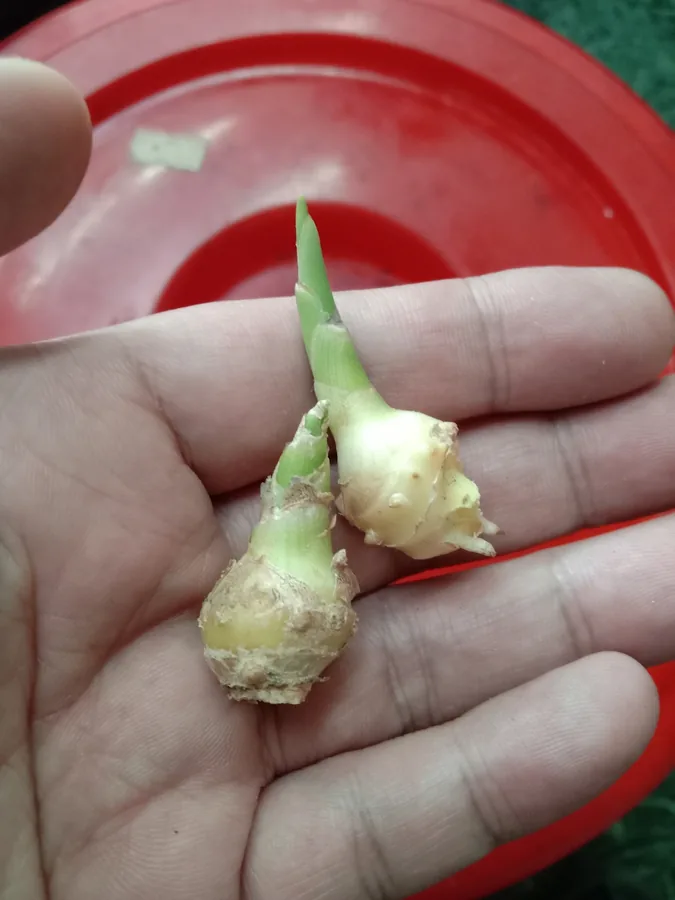
Don't write off that grocery rhizome, because a plump, fresh piece studded with visible buds, the little nubs gardeners call eyes, sprouts more often than you'd expect. Soak it overnight, keep it warm and moist, and watch the odds climb. Old stock and growth inhibitors are the real spoilers, not the produce aisle itself.