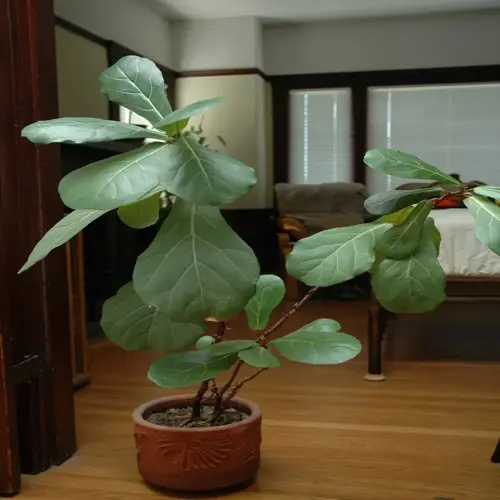

Yes, you can eat figs straight from tree branches once the fruit is fully ripe. No cooking or peeling is needed for a tree-ripe fig at all. The flavor at this stage is far better than any store-bought fig you can find. Ripe figs off the branch taste like a mix of berry jam and honey with a touch of caramel inside.
When I first tried a tree-ripe Black Mission fig at a small orchard, the taste blew me away. The flesh inside was deep red and dripping with sweet syrup. I tried an underripe one off the same tree right after, and it was a different fruit. It tasted bland, dry, and a bit starchy. The gap between the two was huge in flavor and feel.
Here are the fig ripeness signs you can spot with your own eyes and hands.
Visual Cues
- Color shift: The skin deepens to the full mature shade for your cultivar, often dark purple, brown, or rich amber depending on the variety.
- Drooping stem: The fig hangs limp on its stem instead of pointing out from the branch, since the weight of the ripe fruit pulls it down.
- Nectar drop: A small bead of sweet sticky nectar may form at the eye of the fig, which is the small hole on the bottom of the fruit.
Touch and Smell
- Soft skin: The fruit yields to gentle finger pressure, like a ripe peach or a soft plum in your palm.
- Sweet scent: A ripe fig gives off a faint honey or jam-like smell that you can pick up from a few inches away.
- Easy release: A truly ripe fig drops into your hand with a light twist of the stem, with no pulling or yanking needed at all.
Bad Signs to Avoid
- Hard fruit: A firm fig that resists finger pressure is not ripe yet and will taste bland with a dry chewy texture you will not enjoy.
- Sour smell: A funky or vinegar smell means the fig has gone past ripe and started to ferment on the tree.
- Mold spots: Dark fuzzy patches on the skin or splits with goo inside mean the fruit should go in the compost, not your mouth.
Now for the safety side of fig sap safety that many new growers miss. NC State Extension notes the white milky sap from the leaves and stems carries furanocoumarins. These plant compounds can cause a skin rash called phytophotodermatitis when sap on your skin meets bright sunlight. The reaction looks like a sunburn or a blister and can last for days.
The good news is the ripe fig tree fruit itself is safe to eat with no worry. The sap sits in the green parts of the plant and in unripe figs. Once a fig fully ripens, the milky sap dries up inside the fruit. You can pick a ripe one and bite into it on the spot with no risk at all of a sap reaction.
To protect your skin during harvest, wear thin garden gloves and a long-sleeve shirt. Rinse your hands with soap and water as soon as you finish picking your figs. Avoid rubbing your face or eyes during the harvest session. If you do get sap on your skin, wash it off fast and stay out of direct sun for a few hours after.
I learned this lesson the hard way one summer with a stubborn fig branch. I yanked off a few half-ripe figs and got sap on my forearm. Later that day, I went out for a walk in the sun. By that night, I had a red blistered patch right where the sap had been. I now keep gloves on for every harvest no matter how quick the trip seems.
Once you have a basket of ripe figs in your hand, eating fresh figs is the easiest part of the whole job. Rinse them under cool water for a moment. Pat dry with a soft towel. Eat the whole fig, skin and all, since the skin holds most of the color pigments and fiber. The seeds inside are soft and add a pleasant crunch.
Ripe figs do not store well at all, so eat them within 2 to 3 days for the best taste. Keep them in a single layer on a plate at room temperature if you plan to eat them soon. Cold storage in the fridge slows the fade but dulls the flavor a bit. For longer keeping, dry them in the oven or freeze them whole.
Read the full article: Fig Tree: Complete Growing Guide