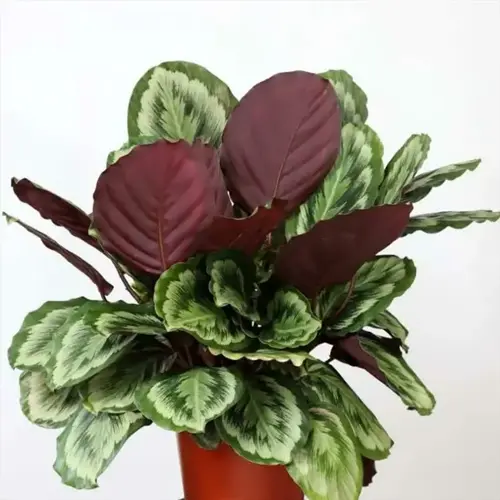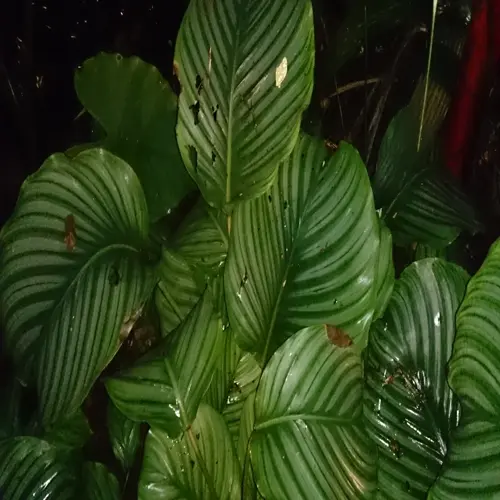

My Tropic Snow sits in the north-facing corner, and I watch it from the kitchen pass-through every morning. In July I refill its watering can every five days. By January that same plant in that same spot goes almost two weeks between drinks. The plant moved nothing. The seasons did the talking, and that is the secret to watering dumb cane the right way.
That gap is the whole answer. You should water a dumb cane when the top 1 inch (2.5 cm) of soil feels dry, not on a set day of the week. In a bright summer that often lands near once a week for you, but in winter it can stretch much longer. A calendar can't feel the soil, so treat any weekly habit as a starting guess, never a rule you follow blind.
The reason a fixed schedule fails comes down to the roots. Dumb cane roots sit in trouble when the soil stays soggy all the time. They need air pockets between waterings, and constant wet soil drowns them and invites rot. The dry top inch is your signal that the plant has pulled up enough water to use, while the roots below still hold moisture without sitting in a swamp. So when you let that inch dry out first, you give the roots both the drink and the breathing room they need. Clemson and NC State extension guides both point to this same dry-down test for Dieffenbachia care, so you are not guessing here.
Dumb cane overwatering is the more common killer, and it shows on the plant before you ever see the roots. Watch for these signs:
Soft stems and yellow lower leaves mean you have been too generous and the soil never dries out. Droopy leaves and crisp, papery edges mean the opposite, and the plant has gone thirsty too long. The good news is a thirsty dumb cane usually perks back up within a day of a deep drink. A rotting one rarely recovers, so when in doubt, wait.
The finger test settles the question of when to water Dieffenbachia with zero guesswork. Push a clean finger straight into the soil to the first knuckle, which is about that top inch. If it comes out with damp soil clinging to it, wait. If it feels dry and brushes off clean, it is time. Do this every few days and you will learn your own plant's rhythm fast.
When that inch is dry, water with intent. Pour slowly until water runs out the drainage holes, then let the pot finish draining and tip out anything left in the saucer. This soaks the whole root ball instead of teasing it with a splash. Always grow your dumb cane in a pot with drainage holes and a chunky, well-draining mix, since that combo is what lets the top inch dry on schedule. Get the soil and pot right, and watering dumb cane turns into a quick weekly check instead of a worry.
A few things shift how fast that inch dries, and you will want to watch all of them. More light and warmth speed it up, so a sunny spring window means your plant wants more frequent drinks. A small pot dries faster than a big one, and a plant root-bound in a tight pot drinks quickly too. Cooler, darker winter months slow everything down, just like my Tropic Snow each January. Check the soil with your finger, not the date on a calendar, and your dumb cane stays out of both the swamp and the desert. That single habit will do more for your plant than any fixed schedule ever could.
Read the full article: Dumb Cane Plant Care Guide