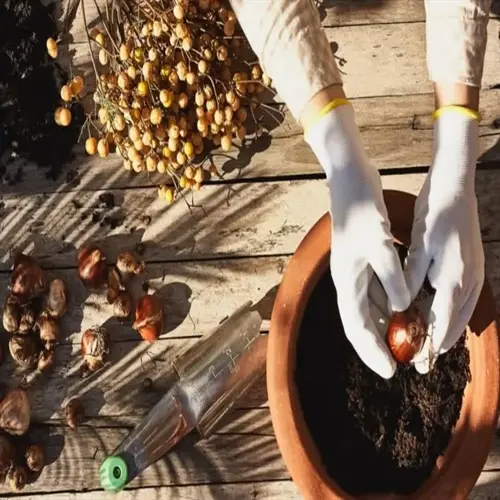

No, October is not too late to start planting, and the right pick depends on your zone. In mild zones 7 and up, you can still sow hardy greens. In colder areas, planting in october shifts to garlic and cover crops that root now and pay off later. The trick is matching the crop to how much cold you have left before the ground locks up.
I pushed a dozen garlic cloves into the raised bed along the south fence one October afternoon. Pointy ends up, two inches deep, a hand-width apart. The bed looked bare and done for the year. Then by the first warm week of spring, a tidy row of green shoots stood there waiting for me. That row turned into the best garlic I ever pulled.
By October most warm crops like tomatoes and peppers have already given their last fruit. What changes is the math. Days get shorter and cooler, so plants grow slower, and that makes quick, hardy crops the realistic choice. The goal now is to get roots established before deep cold settles in, not to chase a big fall harvest.
Cold itself is not the only limit. Light matters just as much. Once you drop below about 10 hours of daylight, plant growth nearly stalls no matter how mild the air feels. Growers call this the Persephone period. Anything you want to eat this fall has to bulk up before then, so seed it early in the month if at all.
Garlic is the standout. You plant the cloves in fall, they grow roots over winter, and you pull fat bulbs the next summer. It asks almost nothing from you in between. That long, hands-off timeline makes it the best return on a single October afternoon of work.
In milder zones you can still get cool season crops going from seed. Spinach and kale are the toughest of the bunch and shrug off light frost without much fuss.
Garlic
- Best for: Almost every zone, since the cloves root in fall and wait out winter underground.
- Timing: Plant 2 to 4 weeks before your ground freezes so roots can settle in first.
- Payoff: Harvest fat bulbs the following summer with little work in between.
Hardy Greens
- Best for: Zones 7 and warmer, or anywhere with a cold frame to add a few degrees.
- Top picks: Spinach and kale handle frost and keep producing leaves into the cold.
- Reality check: Short days slow growth, so expect a slow trickle, not a flood.
Cover Crops
- Best for: Any empty bed you want to protect instead of leaving bare.
- Top picks: Oats and clover hold the soil and add nutrients back for spring.
- Bonus: Roots stop winter erosion and crowd out early weeds.
Empty beds do not have to sit bare. A cover crop like oats or clover holds the soil in place, feeds it, and keeps weeds down all winter. Oats die back in hard frost and leave an easy mulch, while clover pulls nitrogen into the ground for whatever you plant next spring.
Before you buy a single seed packet, check two things. Find your USDA hardiness zone and your first frost date. Those two numbers tell you how much growing time you have left and which crops still fit. A cold frame or a sheet of row cover buys you a few extra weeks, which can be the difference between a real harvest and a lost one. If you want the full count-back math, see the frost-dates question on this page.
So skip the idea that October is only for clean-up. Done right, planting in october means garlic now for next year, spinach or kale if your zone allows, and a cover crop over the rest. You will start spring weeks ahead of a bare, neglected bed.
Read the full article: Succession Planting: A Complete Guide