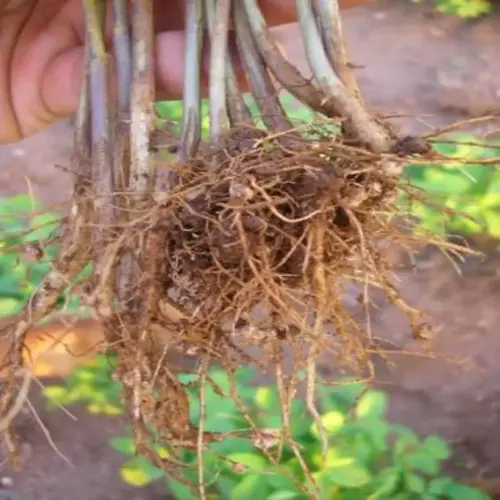

The 4 types of propagation you should know are seeds, cuttings, layering, and division. These four cover most of what you will need at home with your plants and garden beds.
The four main propagation types split into two clear camps that work in very different ways. Seeds make new genes through pollen, and the other three copy the parent down to the last trait.
I learned all four of these in my first two years as a home grower. They covered about 95% of what I ever wanted to do, and I never had to pick up grafting or tissue culture for any of my own plants.
Seeds use sexual propagation to make new plants. Two parents mix their genes through pollen, and the seed grows into a plant that is part mom and part dad. This gives you natural variety and new traits to work with each year.
The other three skip the seed step and make exact copies of the parent. Cuttings, layering, and division all rely on the plant's own cells to build a new whole from a piece of the old one. The new plant matches the parent in every way.
Tomato seeds show how sexual propagation works in the garden. Plant a packet of Roma seeds and you get Roma tomatoes that ripen on cue. Each one has the same shape and taste as the parent line.
These four propagation categories each match a kind of plant best. Knowing which one to use for which plant cuts your fail rate by a wide margin and saves you weeks of wasted time.
Pothos cuttings are the gold standard for stem propagation. Snip a 4 inch (10 centimeter) piece below a node, drop it in water, and roots show up within 2 weeks. NC State Extension lists this as one of the easiest paths for beginners.
Strawberry runners are nature's own form of layering at work in the garden. The mother plant sends out long stems that touch the soil and root on their own without you doing much at all but pin them down.
Hosta crowns split well from division each spring before the leaves push up. Lift the whole clump, slice through with a sharp spade, and replant two or three smaller plants in the same spot or fresh ground.
The common propagation methods all line up with plant types in a clear way. Match annuals to seeds, houseplants to cuttings, ground covers to layering, and perennials to division for the best odds of success.
Tomatoes and zinnias love seed starting since they live just one season. Pothos and philodendron root from cuttings with no fuss at all. Strawberry and ivy spread through layering on their own across your beds.
Hosta, daylily, and grass clumps all need division every 3 to 5 years to stay healthy and full. Pick the right method for the plant in front of you and your success rate will jump up fast in your first year.
Read the full article: Plant Propagation: Complete Beginner Guide