
The 7 methods of propagation are seeds, stem cuttings, leaf cuttings, layering, division, grafting, and tissue culture. Each suits a different plant type. The skill needed jumps up as you move down the list.
These plant propagation techniques form the base of every plant farm out there. Some you can pull off on a kitchen counter. Others need a sterile lab room and a scope to start.
I worked my way through all seven of them across 3 years in my own home. The first four came together with simple gear. The last three pushed me hard and took several tries to get right. My first graft failed when I cut the scion wrong.
Seeds make new plants through sexual reproduction that mixes two parents into one new mix of genes. The other six all create clones that match the parent down to the last trait, color, or fruit flavor.
Stem cuttings need a sharp knife and a rooting hormone such as IBA to boost root growth at the cut end. Missouri Extension data shows IBA can lift rooting rates by a wide margin on hard-to-root woody plants.
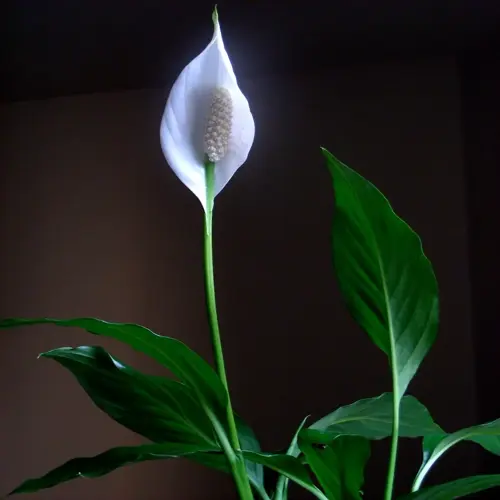
Leaf cuttings work for a small group of plants like snake plant and African violet. You cut a leaf into chunks or push the petiole into damp mix, then wait for new tiny plants to form at the base.
Layering bends a low stem down to the soil and pins it in place until roots form along the buried part. Strawberries do this on their own through runners, and you can copy the trick with shrubs and vines too.
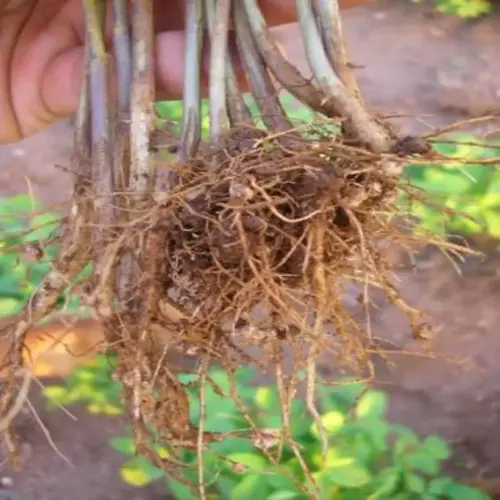
Division splits a clump into two or more smaller plants by pulling apart the crown and roots. Hostas, daylilies, and many grasses all welcome this each spring or fall to keep them young and full.
Grafting joins two plants by binding a scion onto a rootstock so they fuse and grow as one. NC State guides call for 4 to 5 inch (10 to 13 centimeter) scions for bark grafts on fruit trees in early spring.
Budding is a cousin of grafting that uses one bud instead of a whole scion. T-budding runs from late July through early September when the bark slips free of the wood under it with ease.
Tissue culture grows whole plants from tiny cell clumps in sterile jars with special agar gels. This is how most modern nurseries crank out millions of orchid clones that all match the parent plant in every way.
These vegetative propagation methods all skip the seed step and lock in the exact traits you want. Grafting and tissue culture sit at the top for skill and gear needs, while seeds and cuttings sit at the bottom.
If you rank these types of propagation by how hard they are for your first year, your order looks clear. Start with seeds and stem cuttings in your home. Then add leaf cuttings and division to your skills, then layering. Save grafting and tissue culture for your last year.
Read the full article: Plant Propagation: Complete Beginner Guide