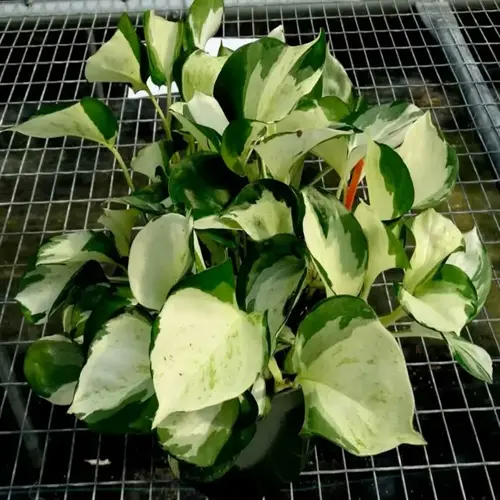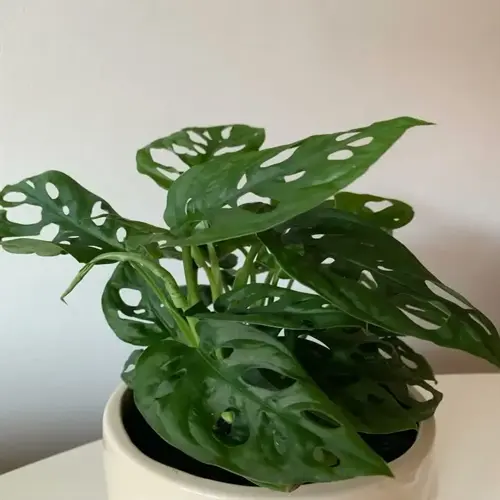

Most satin pothos problems are leaf issues, and almost all of them trace back to two things: watering and light. Get those right and the plant gives you very little trouble. The usual suspects are yellow leaves, curling leaves, brown tips, and root rot, plus a slow fade in the silver markings.
Four yellow leaves showed up on my Argyraeus over one weekend. They sat near the base, all on the bathroom sill by the shower. I pushed a finger into the pot. The soil was wet two inches down. I had been watering on a schedule instead of checking it first. So I stopped. I moved the plant to a brighter shelf and left it alone for almost two weeks. Once the mix dried out, the new growth came back green and firm.
That experience lines up with the standard diagnostics for satin pothos problems. Yellow leaves overwatering is the most common cause people miss, so check the soil before you reach for the watering can. The pattern is simple once you know it, and each symptom points to a different fix.
Yellow leaves point to too much water, the same trap I fell into. So before you do anything else, check the soil with your finger. Curling leaves mean the opposite. The plant is thirsty and pulling its foliage inward to save moisture, so give it a drink. Brown tips show up when the air around it is too dry, or when your watering swings between bone dry and soaked. Keep a steady rhythm and most of that tip browning stops on its own. You can also run a small humidifier nearby if your home runs dry in winter.
The serious one is root rot. When your soil stays soggy for too long, the roots suffocate and start to rot. You'll see soft, mushy stems near the base and maybe a sour smell from the pot. At that point, watering changes alone won't save your plant. You need to pull it out and rinse the roots clean. Trim off any dark, mushy roots with clean scissors, then repot into fresh well-drained mix. Catch it early and your plant usually pulls through. Adding perlite to the mix helps water drain faster so the problem doesn't come back.
Satin pothos has no serious pest problems, which is part of why it's such an easy houseplant. Still, your plant can attract scale, spider mites, mealybugs, and thrips, especially when it's already stressed. Wipe the leaves down first. Then treat any infestation with insecticidal soap or neem oil. Repeat the spray every week or so until the bugs are gone. Check the undersides of the leaves too, since that's where mites and scale like to hide. A few minutes of inspection each week keeps a small problem from spreading across the whole plant.
A separate issue is fading. If the silver markings on your leaves go dull or thin out, the plant wants more light. The silver pattern needs decent brightness to stay sharp and reflective. Move the plant somewhere brighter, but keep it out of direct sun. Harsh midday rays can scorch the thin leaves and leave you with crispy brown patches. An east-facing window or a spot a few feet back from a south window works well for most homes.
Fix watering and light first, since those two drive nearly every problem on this list. Check the soil before each watering and only add water when the top inch feels dry. Give the plant bright, indirect light to keep the silver pattern crisp. Handle pests as they show up, and repot if the roots have already rotted. Do that and your satin pothos stays full, silvery, and healthy.
Read the full article: Satin Pothos Care: Silver-Leaf Vine Guide