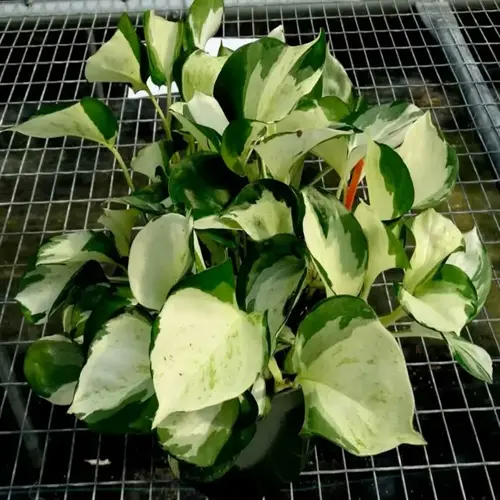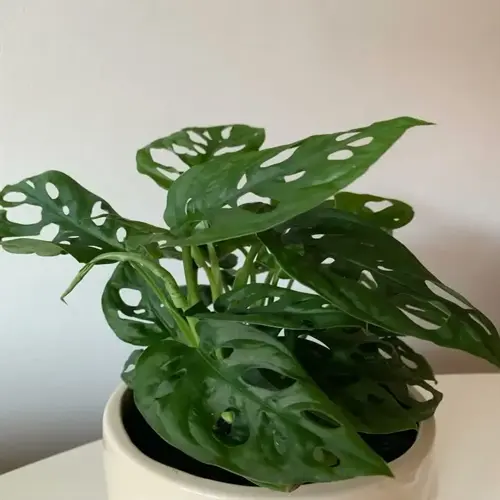

The three biggest pothos disadvantages are pet toxicity, slow indoor growth, and air-cleaning claims that do not hold up at home. None of these make pothos a bad plant. They just rarely come up before you buy one. Knowing them first saves you a surprise later.
Pothos and satin pothos get sold as foolproof plants for beginners. That label is mostly fair. The plant survives low light and skipped waterings without much fuss. The catch is that the real drawbacks stay quiet at first. They surface when a curious cat takes a bite. Or when your pot sits there for two years and still looks small.
The first downside is safety. Pothos is toxic to pets. That includes cats, dogs, and horses. The leaves hold tiny sharp crystals known as calcium oxalates. They do not dissolve, so they sting the mouth when a pet bites a leaf (Source: ASPCA). A nibbling pet tends to drool and paw at its face. Most do not swallow much because the sting stops them fast. Still, that single fact is reason enough to keep the plant out of reach. The full toxicity details get their own section elsewhere on this page.
Why does this matter more than with a plain leafy plant? Pothos vines trail and dangle. A hanging pot puts tempting leaves right at cat or dog height. A grabby toddler can reach them too. So the toxicity is not just a label. It shapes where you can safely put the plant in your home.
The second downside is pace. Indoors, pothos is a slow grower that reaches only about 1.5 to 3 feet (0.5 to 0.9 m) over a few years (Source: NC State Extension). If you want a vine to swallow a bare wall by next summer, this is not your plant. The vines lengthen over seasons, not weeks. That patience is part of the deal.
It is tempting to push that growth with extra fertilizer. Do not. Overfeeding burns the roots and scorches the leaf edges. It will not buy you real speed either. A light feeding during spring and summer is plenty. The plant grows at its own rate no matter how much you fuss over it. Brighter light and a slightly larger pot help more than any feeding ever will.
The third downside is about expectations, not the plant itself. People buy pothos to clean their air. That perk is oversold. The famous clean-air study tested golden pothos. It used small sealed lab boxes, not a real room (Source: NASA Clean Air Study). Those box numbers do not carry over to your home. A few pots in an open room with normal airflow will not scrub your air. You could not measure any change at all.
So treat any pothos as decoration, not a purifier. The honest pitch is simple. You get a tough, good-looking vine that tolerates low light and forgives a missed watering. You do not get cleaner air. Do not count on one for that job. If air quality is your goal, a fan and an open window do far more than a shelf of plants.
Weigh these three drawbacks against the upsides before you commit. Keep it out of reach of pets and small kids by hanging it high or setting it on a tall shelf. Accept the slow pace instead of overfeeding to rush it. And choose it for looks and ease, not for the air. Do all three, and these pothos disadvantages mostly fade into the background where they belong.
If a pet does chew a leaf, wipe its mouth, offer fresh water, and call your vet if the drooling does not stop within an hour. The plant rarely causes serious harm, but a worried pet still deserves a check.
Read the full article: Satin Pothos Care: Silver-Leaf Vine Guide