
The best way to propagate plants depends on the species you are working with, but stem cuttings win in most home setups. They work for the widest range of houseplants and give you the fastest visible roots of any method out there.
For most beginners, the easiest propagation method by far is dropping a stem cutting into a clean jar of water. You get clear feedback within days, and there is no soil mess to deal with on your counter.
I once ran my own test across 10 different houseplants using four methods on each. Stem cuttings beat leaf cuttings by a wide margin for both pothos and philodendrons in that round.
Out of those ten plants, 8 of them put out roots faster from stem cuttings than from any other method. The two that did better with division were both hosta types with thick crowns and lots of growth points.
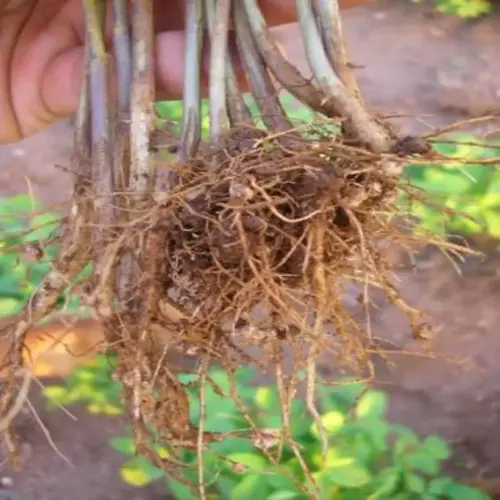
The reason for this gap is built into the plant itself. Stem nodes hold root meristem cells that are already primed to grow new roots when the right cues hit them. The plant just needs water and light to flip the switch.
Leaf cuttings have to do much more work to make a new plant from scratch. The cells in a plain leaf have to back up and become root cells, then build a stem, then push out fresh leaves. Most plants cannot pull this off.
A simple propagation method comparison helps you match each plant to the path it likes most. Pothos and philodendron love water cuttings, while snake plant does well from leaf sections cut into chunks.
Hostas split well from crown division in early spring before the leaves unfurl. African violets are odd ducks that root from a single leaf petiole stuck in damp soil, per UF/IFAS guidance from their extension office.
I made the mistake of trying to root a fiddle leaf fig from a plain leaf my first year. Three months passed with no roots, no buds, nothing but a slow brown rot from the cut end up.
Tomatoes and most flowering annuals do best from seed since they finish their life cycle in one year. Trees and shrubs lean toward grafting or layering to keep the parent traits true to type across generations.
For successful plant propagation, start with stem cuttings in water so you can see roots form with your own eyes. This builds your sense for what healthy growth looks like before you move on to harder paths.
Once you have watched a few cuttings root in water, switch to soil propagation as your next step. The roots that form in soil are tougher and skip the rough swap from water roots to soil roots later on.
Read the full article: Plant Propagation: Complete Beginner Guide