Herb · Lamiaceae
Bee Balm
Monarda didyma
Plant it in sun with steady moisture and elbow room, and bee balm answers with weeks of bloom and a garden buzzing with pollinators.
Full sun
Every 3–7 days
USDA 4–9
2–4 ft · 0.6–1.2 m
Overview
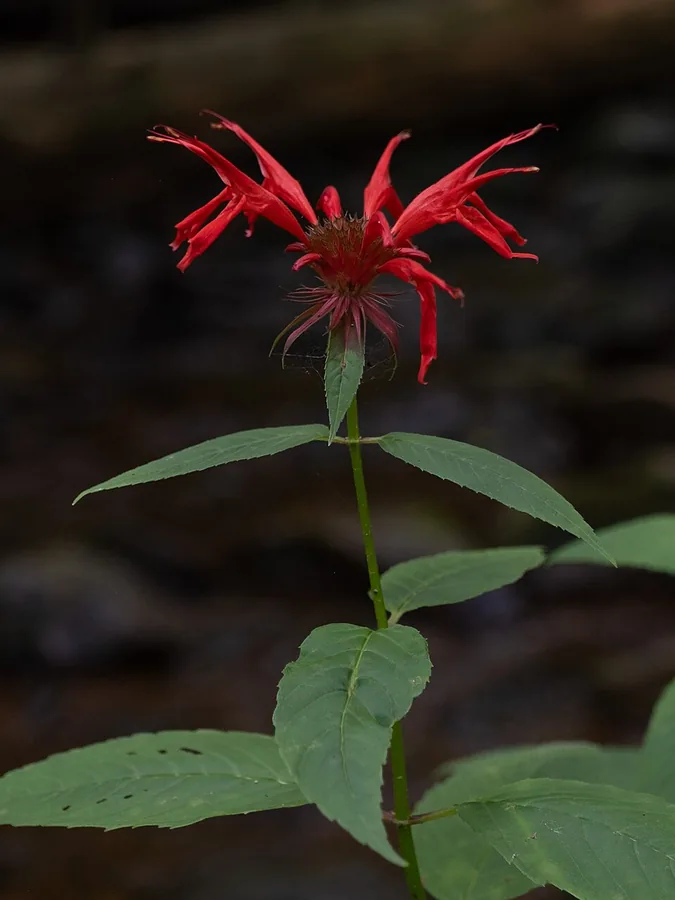
Bee balm is native to North America and part of the mint family, and it truly comes alive the moment it flowers. Wild, shaggy heads of red, pink, or wine burst from square stems above aromatic foliage and keep bees, butterflies, and hummingbirds working the patch for weeks on end. Pinch a leaf and a bright citrus scent lifts off it, the very trait behind its second name, bergamot.
This one is a traveler: underground rhizomes drive a single plant into a broad, sprawling clump within a season or two. That drive is a joy in a wild meadow and a bit of a handful in a neat border, where a quick division keeps it reined in. The leaves come loaded with history too, once steeped as a drink by the Oswego people, and that is exactly where the name Oswego tea sprang from.
Best of all, it barely asks for anything: sun, soil that stays moist, and air rushing through the stems. Deliver those and it hands back months of color. Let the airflow stall, though, and you roll out the welcome mat for powdery mildew, the single weakness that ever really slows this plant.
Care
The short version: bright full sun, fertile ground that stays damp, and airflow between the stems set this plant up to shine. Dig and split the clump every 3 to 4 years to keep the energy up, and keep deadheading for a fresh burst of flowers.
Light
Pour on all the full sun you can and the reward is a heavier, healthier bloom. Partial shade won't finish it off, but every lost hour of light steals flowers and cracks the door open for mildew.
Water
Keep that soil evenly damp, mirroring the wet meadows and creek banks where the plant runs wild. A soak every 3 to 7 days handles most weather, but aim it right at the base, because wet leaves practically invite powdery mildew in.
Soil
Plant it in rich, humusy ground that holds moisture, even heavy clay, which bee balm tolerates well. A pH between 6.0 and 7.0 suits it best, on the slightly acidic to neutral side.
Temperature
This is a tough, cold-hardy perennial that takes winters down to -29°F (-34°C) and summer heat up to 90°F (32°C). That sweep covers loads of gardens, part of why it turns up everywhere.
Humidity
Everyday humidity in the 40% to 60% band suits it fine. Air movement counts for far more, because still, muggy air trapped around packed stems is exactly the launchpad powdery mildew wants.
Feeding
Feeding is a breeze: one spring hit of balanced fertilizer or a hearty compost topping fuels the entire growing year. This native came up on plain soil and simply doesn't beg for extras.
Pruning
Stay on top of deadheading and the plant fires back a second wave of color. Once the show winds down, shear it to the basal foliage, thin any jam-packed stems to send air rushing through, and leave a handful of hollow stems standing over winter so native bees can move in.
Repotting
Skip the pot entirely; this one belongs out in the open garden, where the job that matters is splitting the clump every 3 to 4 years. A fading center or a lackluster bloom season is your cue to grab a spade and divide.
Size & spacing
Plants shoot up to 2 to 4 feet (60 to 120 cm) tall and fan out 16 to 35 inches (40 to 90 cm) wide. Hand each clump that full width so air rips through freely and mildew never gets comfortable.
When to plant
Bee balm marches to a cold-winter beat. Fire up seed indoors toward the end of winter, plant it out once spring frost clears, and the showy flowers come roaring in from midsummer into early fall. Chasing the best tea? Snatch the leaves right before it blooms, when the flavor hits its peak.
Northern hemisphere
Southern hemisphere
Typical months for a temperate climate: start earlier in warm zones, later where spring frosts linger.
- Sow: Late winter, 6-8 weeks before last frost
- Plant: Spring after last frost
- Harvest: Showy flowers mid-to-late summer (July-September); harvest aromatic leaves before flowering for best tea flavor
Hardiness
USDA hardiness zones: 4–9
Temperature: down to -34°C
Troubleshooting
Almost every hiccup with bee balm circles back to crowded, stagnant air or a shortage of sun. Scan the leaves and the outline of the clump and you will catch trouble before it takes off. Pin down the match below, then jump on it fast.
A Hollow Middle as the Edges Charge Outward
Bee balm powers outward on rhizomes, so the aging center thins while the rim keeps storming into fresh ground. That is pure plant nature, not disease. Dig and split the clump every 3 to 4 years, replant the punchy outer sections, and tug out any runaway rhizomes to hold the patch in check.
Fix:
- Divide clumps every 3-4 years, replanting vigorous outer sections
- Remove unwanted rhizomes to control spread
White Dusty Film Spreading Across the Leaves
Here comes powdery mildew, bee balm's signature nemesis, and it pounces the moment plants crowd together in stale, sheltered air. Overhead watering and warm, muggy, breezeless days really let it run. Fight back fast: thin and divide the crowded clump, aim water at the base, strip away the worst leaves, and plant a mildew-resistant cultivar to stack the odds in your favor.
Fix:
- Improve air circulation by thinning and dividing crowded clumps
- Avoid overhead watering; water at the base
- Remove and dispose of affected foliage
- Choose mildew-resistant cultivars
Orange-Brown Bumps Hiding Under the Leaves
Those rusty little bumps clinging to the underside of the leaves flag a rust infection. Move quickly: pluck and destroy every marked leaf, throw the planting wide open so air rushes through, and keep the foliage bone-dry so the spores never catch the damp they crave.
Fix:
- Remove and destroy infected leaves
- Improve air circulation
- Avoid wetting foliage
Plenty of Leaf but the Flowers Fall Flat
Blooms holding out on you? The two usual troublemakers are too much shade and a clump so jammed it has nowhere left to grow. Push it into full sun or clear away whatever shades it, split the crowded crown to fire it back up, and deadhead the faded blooms to chase a second flush.
Fix:
- Relocate to or thin for full sun
- Divide overcrowded clumps
- Deadhead to encourage rebloom
Toxicity
Here is a treat: a garden showstopper that is also totally harmless. Every extension source lines up on it carrying no toxins for people or pets, and the fragrant leaves are genuinely edible, famous as the base of Oswego tea. Curious nibblers, furry or feathered, are all in the clear.
Safe for
People · Cats · Dogs · Horses · Rabbits · Livestock · Birds
Cats None
Bee balm carries no poison, so a curious cat that grabs a leaf is in the clear. Devour a whole mouthful of any punchy herb and the stomach might grumble for a moment, but it rights itself.
Dogs None
Dogs get a free pass with this one; chewing the scented leaves does them no harm. Even a determined muncher risks nothing worse than a short spell of loose stool, purely from quantity.
Horses Safe
Horses tuck into bee balm with zero drama, and that habit is precisely why the wild plant picked up the name horsemint. No toxin to keep an eye on here.
Rabbits Safe
Rabbits can sample the leaves safely, and the mint-family scent often keeps them from making a meal of it in the first place.
Livestock Safe
Let the herd loose and they can crop this planting freely; cattle, goats, and sheep all take it without a hitch. There is no toxic compound lurking in the plant.
Birds Safe
The plant is harmless to birds, and its nectar-loaded blooms pull hummingbirds in all summer long. Even backyard hens can peck the foliage with zero worry.
People Safe
People get the best deal of all: the zesty leaves brew into the classic Oswego tea, tastiest when harvested before the flowers open, and the colorful blooms double as an edible garnish.
Generally safe to handle; the aromatic foliage is edible. As with any plant, discourage pets from grazing large quantities.
Varieties
Breeders have had a field day with bee balm, chasing richer flower color and tougher mildew resistance. The cultivars below turn up again and again in nurseries and gardens.
'Jacob Cline'
Throws large red flowers and shrugs off powdery mildew better than most, which keeps it a lasting garden favorite.
'Marshall's Delight'
Fires up clear pink flowers on a plant bred to stand strong against mildew.
'Raspberry Wine'
Rockets wine-red blooms up tall, vigorous stems that command the back of a border.
'Petite Delight'
A tidy dwarf packed with lavender-pink flowers, tailor-made for small beds and containers.
How to propagate
More bee balm is always within reach, and here is the kicker: the division the clump needs anyway hands you free plants. Cuttings and seed round out the toolkit for anyone itching to expand the patch.
DivisionEasy
Spring or fall, every 3-4 years · One growing season
Want more bee balm for free? Division delivers, and it is the very upkeep the clump craves anyway. Heave the spreading clump out of the ground in spring or fall, break it apart, drop the punchy outer sections back in, and ditch the worn-out woody core. One season on, the fresh pieces are up and running.
Stem cuttingsModerate
Late spring to early summer from softwood growth · Several weeks to root, established by next season
Cuttings offer another rewarding route: snip softwood from shoots that haven't bloomed as late spring rolls into early summer, then park them in moist medium. Roots show up after several weeks, and the plants hit their stride by the season after.
SeedModerate
Start indoors late winter or sow outdoors in spring · Blooms typically in the second year
Fancy growing it from seed? Kick things off indoors in late winter or scatter it outdoors in spring, though the flowers hold off until the second year. Just remember, seed from a named cultivar won't run true, so division is your ticket to a spot-on copy of the parent.
Myths
Bee Balm Is the Source of the Bergamot That Flavors Earl Grey Tea.
That famous Earl Grey flavor actually comes from Citrus bergamia, the bergamot orange, which isn't related to this plant at all. Monarda earned the nickname purely on scent, since its crushed leaves echo the citrus. Same name, totally different plants.