Herb · Lamiaceae
Hyssop
Hyssopus officinalis
Plant it in full sun and lean, fast-draining soil, and hyssop rewards you with aromatic leaves and bee-loved blue spikes.
Full sun
Every 7–14 days
USDA 4–9
12–24 in · 30–60 cm
Overview
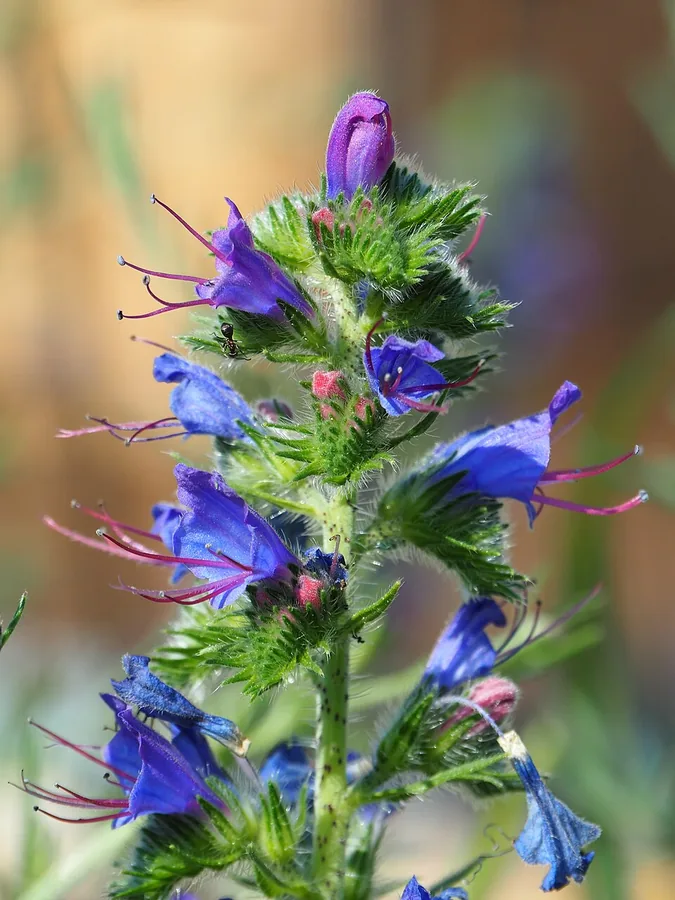
Hyssop is a tough, rewarding woody-based perennial from the Mediterranean that has pulled double duty as a kitchen herb and a healing herb for centuries. It builds a low, bushy mound of narrow, deep green leaves with a bright, minty punch, then in summer it fires up spikes of blue-purple flowers that bees and butterflies pile onto. Hardy across USDA zones 4 through 9, it laughs off hard winters and dry spells, which makes it a genuine joy to grow.
Hand hyssop the two things it craves and it takes off: full sun and soil that drains fast. It powers along in lean, sandy, or rocky ground where fussier herbs give up, and it asks next to nothing of you once the roots grab hold. Just keep it out of wet feet, because a soggy spot does far more damage than any amount of neglect.
Give it a few years and it will grow woody and open at the base, but that is easy to stay ahead of. A spring trim and the odd hard cutback keep it dense and leafy, and it self-seeds so freely that fresh replacements practically show up on their own.
Care
The short version: hand hyssop full sun, lean and sharply drained soil, and just the occasional drink once it is established. Trim it in spring to keep it bushy, feed it almost never, and start fresh plants every few years before it goes woody.
Light
Hand hyssop full sun and it delivers the best growth, flowering, and scent going. It will put up with a little partial shade, but a shaded plant grows open and floppy and gives you way fewer of those summer flower spikes.
Water
Let the top half of the soil dry out between waterings, then soak it deeply. An established plant is drought-tolerant and only wants the occasional drink, because the one thing hyssop flat-out refuses is soggy, waterlogged ground.
Soil
Drop it into well-drained loam, sandy, or even shallow rocky soil, the kind of ground that stops most herbs cold. Hyssop rolls with a wide pH from 6.0 to 8.0 and thrives in poor, dry ground, so chase good drainage over richness every time.
Temperature
This plant is seriously hardy, cruising across a huge band from -22°F to 86°F (-30°C to 30°C). That cold tolerance is exactly what lets it overwinter outdoors as a perennial through USDA zones 4 to 9.
Humidity
Hyssop leans dry, around 30% to 50%, which fits its Mediterranean roots to a tee. Damp, still air invites powdery mildew, so keep the air moving and you will worry far less about hitting any exact number.
Feeding
This is a light feeder that runs on almost nothing, which keeps it wonderfully low-effort. One spring hit of balanced fertilizer or a little compost is all it asks, and piling on more just triggers soft, leggy growth and weaker scent.
Pruning
Cut hyssop back by about one-third in early to mid spring to shape it and clear out winter-damaged growth, then give it a light shear once it flowers. Stay on top of the trimming to keep it from going leggy and woody, and plan to swap plants out every few years anyway.
Repotting
A container-grown hyssop only needs bumping up every 2 to 3 years. Repot the moment you spot roots circling the pot or shooting through the drainage holes, water racing straight through, or growth stalling out.
Size & spacing
Look for a tidy mound around 12 to 24 inches (30 to 60 cm) tall with a spread of 12 to 18 inches (30 to 45 cm). Give each plant that much room so air rips through freely and the foliage stays healthy.
When to plant
Hyssop marches to the beat of a hardy perennial, and the timeline is easy to work with. Start seed indoors in late winter, about 8 to 10 weeks before your last frost, then move young plants outside in spring once the cold lets go. The blue spikes fire up from early summer into fall, and the leaves hit peak flavor when picked just before or as the flowers break open.
Northern hemisphere
Southern hemisphere
Typical months for a temperate climate: start earlier in warm zones, later where spring frosts linger.
- Sow: Late winter to early spring, about 8-10 weeks before the last expected frost
- Plant: Spring, after danger of frost has passed
- Harvest: Blue-purple flower spikes from early summer into fall (roughly June-September), highly attractive to bees and butterflies; harvest aromatic leaves just before or at flowering for best flavor
Hardiness
USDA hardiness zones: 4–9
Temperature: down to -34°C
Troubleshooting
Hyssop is one of the easiest herbs to keep thriving, and nearly every problem it runs into comes down to too much water or too little sun. Spot the early signs on the roots, stems, or leaves and you can turn things around before the plant slips. Match what you see below and jump on it while it still counts.
Wilting and collapse in soggy ground
A hyssop wilting and folding over in wet soil points straight to root rot, and a dig will turn up dark, mushy roots that smell sour. Act fast: dial back the water and let the soil dry, or shift the plant to a raised, sandy spot that drains in a hurry. Roots that have gone too far will not bounce back, so clear that plant out and get a new one going.
Fix:
- Reduce watering and let soil dry
- Improve drainage or move to a raised/sandier site
- Remove and discard severely rotted plants
Straggly, woody stems bare at the base
Catch a plant growing leggy with leaves stranded up top and it is begging for more sun, a proper trim, or both. Get it into full sun, cut it back by about one-third in spring, and watch fresh, bushy shoots surge up from the base. Hyssop woodies up with age whatever you do, so keep the momentum going by starting new plants every few years from cuttings or divisions.
Fix:
- Move to or site in full sun
- Cut back by about one-third in spring to encourage bushy regrowth
- Replace old woody plants with fresh divisions or cuttings
Stunted, sluggish plants over knotted roots
A plant that keeps sulking despite spot-on care is worth pulling up for a closer look, and swollen, knotted roots hand you the answer: root-knot nematodes in the soil. No quick cure exists, so yank the affected plants, toss them, and plant your next hyssop somewhere fresh. Dig loads of organic matter into the bed to fire up the soil life that keeps these pests in check.
Fix:
- Remove and discard affected plants
- Rotate planting location
- Improve soil with organic matter
A white powdery dusting on the leaves
White patches that wipe clean off are powdery mildew, a fungus that moves in fast when air stalls around a crowded planting. Snap off the worst leaves, open the planting up to get air flowing, and keep water off the foliage. It spoils the look for a while, but it rarely lands a real blow on the plant.
Fix:
- Improve spacing and air circulation
- Remove affected foliage
- Avoid overhead watering
Toxicity
Great news for homes with pets and kids: garden hyssop is safe. Its leaves and flowers have earned their spot as a long-loved culinary and tea herb, with no toxicity reported for cats, dogs, livestock, or people in normal amounts. The one thing to stash out of reach is the concentrated essential oil, which is a totally different animal from the living plant.
Safe for
People · Cats · Dogs · Horses · Rabbits · Livestock · Birds
Cats None
Cats can roam right up to it, and a curious nibble of the leaves does no harm at all.
Dogs None
Dogs can barrel through it or chew a stem with zero trouble, since the foliage packs no toxin.
Horses Safe
Horses grazing nearby have nothing to fear, so hyssop can share their patch happily.
Rabbits Safe
Rabbits can browse the leaves safely, though most steer clear of that strong, minty scent anyway.
Livestock Safe
Cattle, goats, and sheep graze beside hyssop with no worry, and the aromatic leaves usually keep them from tucking in.
Birds Safe
Birds face no risk from the plant, and those summer flowers pull in bees and butterflies far more than any feathered guest.
People Safe
Dig into the leaves and flowers as a long-loved kitchen and tea herb, safe to eat in normal amounts. The only thing to handle with care is the concentrated essential oil, rich in pinocamphone, which is a concern in large doses.
Concentrated hyssop essential oil contains pinocamphone and can be neurotoxic and seizure-inducing in large doses; keep concentrated oil away from pets and children, but the garden plant and culinary leaf are regarded as non-toxic.
Varieties
Most growers reach for the classic blue-flowered species, but a couple of color forms are well worth a look if you want to switch things up in the border.
Alba
Alba shakes things up with clean white flowers in place of the usual blue-purple species.
Rosea
Rosea brings soft pink blooms to the party instead of the species blue.
How to propagate
Hyssop makes multiplying a breeze. Raise it from seed, root soft cuttings, or split an established clump, and all three land squarely within a beginner's reach, so there is plenty of room to experiment.
SeedEasy
Spring (start indoors in late winter or sow outdoors after frost) · Germinates in about 2-3 weeks; establishes over the first growing season
Seed is the easiest way to launch a batch of hyssop. Fire it up indoors in late winter or sow it straight outside once frost clears, and the seedlings break through in about 2 to 3 weeks before bulking up over the first season. From there the plant self-seeds like a champ, so you will find volunteers popping up to shift around the garden.
Stem cuttingsModerate
Late spring to summer from softwood/semi-ripe growth · Roots in several weeks; establishes over a few months
Cuttings let you copy a standout plant to a tee. Snip them from healthy, non-flowering shoots in late spring or summer while the growth stays soft to half-ripe, and they root over several weeks and dig in across a few months.
DivisionEasy
Spring · Re-establishes within one growing season
Splitting an old clump is the fastest way to turn one plant into several. Lift an established plant in spring, pull or slice it into pieces, and each one bounces back within a single growing season.
Myths
Garden hyssop is poisonous to people and pets.
Shake this one off, because the garden plant and its leaves have starred in kitchens and teapots for ages, and extension sources flag no toxicity for cats, dogs, or people. The one real thing to respect is the concentrated essential oil, which carries pinocamphone that can be neurotoxic and spark seizures in large doses.
Hyssop and anise hyssop are the same plant.
They share a name, but that is where it ends, since they belong to different genera. True hyssop is Hyssopus officinalis, a woody-based Mediterranean herb, while anise hyssop is Agastache foeniculum, a whole separate plant grown mainly for its licorice scent.