Vegetable · Brassicaceae
Collard Greens
Brassica oleracea (Viridis Group)
A breezy, frost-proof leaf crop that keeps handing you fresh greens well past the point where frost flattens everything else in the plot.
Full sun
Every 3–7 days
60–80 days
USDA 2–11
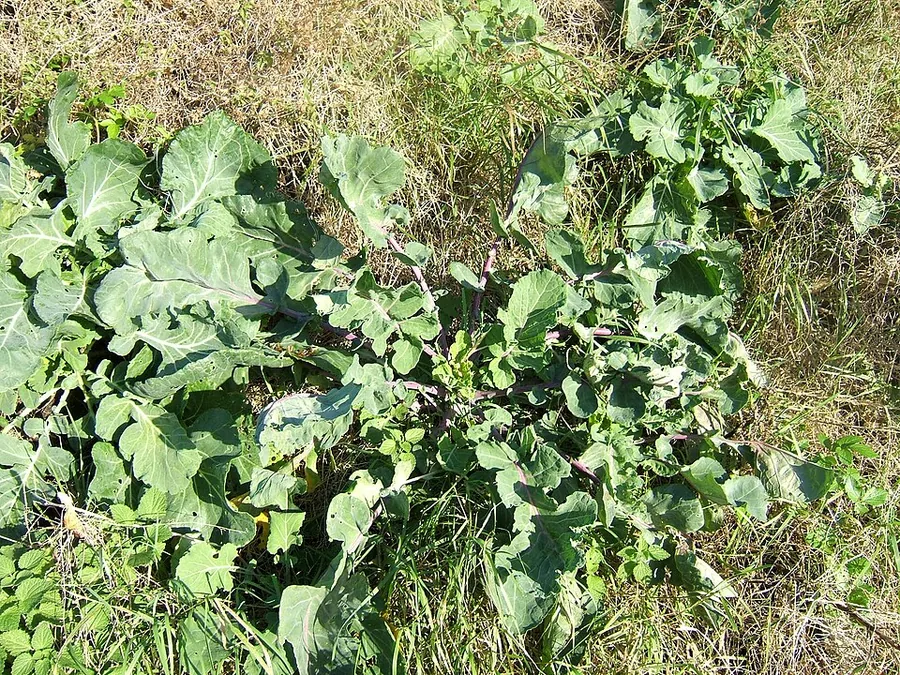
Overview
Picture a cabbage relative that skips the head and pours all its effort into wide, blue-green leaves, and you've got the collard. Pick those leaves a handful at a time and the plant just keeps coming. Generations of cooks across the American South built whole dishes around them, yet a northern plot suits them every bit as well, and nothing else in the brassica clan stares down late-fall cold quite so calmly.
Forgiving is the trait that wins growers over fast. Sun, partial shade, heavy clay, light sand: amend the ground a little and a collard rolls with all of it, asking back only even watering and a touch of nitrogen. Snap off the lowest leaves the moment they bulk up, and the crown answers with a steady run of new growth that stretches across many weeks.
Then comes the reward worth waiting for. A hard frost doesn't bruise a settled collard one bit; instead it draws the sugars up and lifts the leaves to their tastiest. So while the tender summer crops fold, smart growers keep right on harvesting, filling the kitchen deep into the cold months.
Care
The short version: a sunny bed (a bit of shade is fine), rich earth that drains while staying damp at roughly an inch weekly. Push nitrogen as the plant ramps up, allow near 18 inches per spot, and pick from the bottom up the instant a leaf is big enough.
Light
Hand a collard full sun and it rewards you with the fastest, fullest leaves going, though a spot in partial shade works fine and even helps a leaf crop hold up where summers bake. Pick the most open ground you can spare and let it drink in the light.
Water
Aim for steadily damp soil, near an inch each week, soaking down a good 6 inches so the roots get the message. Run the hose in the morning to leave foliage dry by dusk and starve off disease. Quick-draining sand calls for more frequent passes, and that even moisture pays off most as seedlings root in and again while the crop bulks toward harvest.
Soil
These greens hit their stride in rich, loamy ground that drains freely and brims with organic matter, but clay or sand will do nicely once you fold in compost. Park the pH from 6.0 to 7.5, toward neutral, a band that also keeps clubroot from gaining a toehold.
Temperature
Cool weather is this crop's wheelhouse, and it stays content across a generous span of 23°F to 86°F (-5°C to 30°C). Once a plant matures it takes frost and light freezes head-on, and that chill is precisely the trigger that sweetens every leaf.
Humidity
Forget chasing a humidity reading; whatever the open air delivers is plenty. What truly earns your attention is moving air, because foliage packed tight and left damp is what hands leaf disease its opening, so wide spacing and watering low at the base do the heavy lifting.
Feeding
Start by mixing a preplant feed into the bed according to a soil test, then come back with nitrogen, calcium nitrate for instance, somewhere around 3 to 4 weeks past planting, and give one more dose after that. Reliable feeding keeps leaves flowing, yet a light hand matters, since plush, rushed growth is exactly the buffet aphids look for.
Pruning
Skip the shears, because real pruning never enters the picture. Harvest from the bottom, lifting each lower leaf once it grows big enough to use while the crown keeps spinning out new growth, or take the entire plant down at maturity. Any leaf that yellows or sickens low on the stem should come off the moment you spot it.
Size & spacing
Count on a plant rising 2 to 4 feet (60 to 120 cm) and spreading 12 to 24 inches (30 to 60 cm). Allow roughly 18 inches between the mature ones so breezes slip through and leaf disease finds far less purchase.
When to plant
Cool weather is where collards really shine, and they hand you two cracks at a crop each year. Drop spring seed the second a spade bites the bed, and circle back at midsummer for picking that carries from fall right on toward early winter. That second sowing earns the most excitement, since every freeze that lands only deepens the flavor.
Northern hemisphere
Southern hemisphere
Typical months for a temperate climate: start earlier in warm zones, later where spring frosts linger.
- Sow: 6-8 weeks before the spring transplant date; sow indoors again in early summer (June) for a fall crop
- Plant: early spring as soon as soil can be worked for a spring crop; mid- to late summer for a fall and early-winter crop
- Harvest: harvest leaves 60-80 days from seeding; flavor sweetens after light fall frosts, and mature plants withstand frosts and light to medium freezes
Hardiness
USDA hardiness zones: 2–11
Temperature: down to -46°C
Troubleshooting
Run through what trips up a collard and you keep landing on two culprits: leaf-munching caterpillars above ground, and rot or pest trouble brewing down at the roots. Flip a handful of leaves weekly and read the plant's posture to catch it early. Pin your symptom to an entry below, then act while action still counts.
Yellow wedges marching inward from the leaf rim
Yellow triangles riding blackened veins are the signature of black rot, a bacterial trouble that nothing cures once it has dug in. Yank the affected plants with their litter and burn or bin the lot, and stay out of a wet bed so your boots don't ferry the bacteria around. Open the next round clean: certified disease-free seed, dawn watering aimed at the base, and a multi-year break from brassicas in that ground.
Fix:
- Remove and destroy infected plants and debris
- Avoid working among wet plants
- There is no cure once infection is established
Leaves drooping in the heat while the bed sits wet
Soil that's plenty moist while the plant still flags and sulks is your cue to lift one and study the roots. Find them swollen into club-shaped knobs and you've met clubroot, with mangled roots that simply can't move water upward. Pull the entire plant, roots included, destroy it, and keep it well clear of the compost. Bar brassicas from that bed for four years or more and hold the pH near neutral, since acidic ground is where this one waits.
Fix:
- Remove and destroy infected plants including roots
- Do not compost infected material
- Do not replant brassicas in the affected bed
Tattered holes punched through leaves, green flecks scattered behind
Track this damage and you'll turn up one of three green caterpillars: imported cabbageworms, cabbage loopers, or diamondback moth larvae, all chewing the same way. Pluck the ones you find, then dust the foliage with Bacillus thuringiensis to settle the stragglers. The move that really wins is a floating row cover dropped at planting, sealing the bed off before the white butterflies and small gray moths ever arrive to lay.
Fix:
- Handpick caterpillars
- Apply Bacillus thuringiensis (Bt) to foliage
- Cover plants with floating row cover at planting to exclude egg-laying adults
Leaves curling and puckering under a tacky glaze
Twisted, sticky foliage points straight at aphids, which mass along leaf undersides and bury into the crinkles of new shoots to drain the sap. Hose them down hard, then come back with insecticidal soap and make a point of reaching the hidden underside of every leaf. Dial back the nitrogen as well, because the lush, fast-pushed growth it triggers is a magnet for them.
Fix:
- Dislodge with a strong stream of water
- Apply insecticidal soap, thoroughly covering leaf undersides
- Remove heavily infested leaves
A seed stalk rockets up and the flavor turns sharp
What you're watching is bolting, a plant bolting toward flowers and abandoning leaf production. It fires off after young plants endure a drawn-out chill and then meet warmth, or simply when an overwintered plant reaches year two. Nothing reels the stalk back once it climbs, so gather any leaves still worth eating and start a fresh sowing. For spring rounds, lean on bolt-resistant cultivars and hold transplants back from cold that drags on.
Fix:
- Harvest remaining usable leaves promptly
- Remove the plant and resow for the next season
Toxicity
Here's a happy footnote for the worried gardener: collards pack no toxins at all, and the ASPCA keeps the plant off its poisoning list entirely. Cut them loose in a patch shared by kids, dogs, cats, and the whole backyard menagerie. The lone caveat is the goitrogens running through every brassica, and those only register at heavy raw helpings before dissolving the moment the pot gets going.
Safe for
People · Cats · Dogs · Horses · Rabbits · Livestock · Birds
Cats Safe
No toxin troubles a cat here, and the ASPCA never tags collards as risky. One that chews a leaf walks away just fine, though loading up on any leafy green might run its tummy loose for a day.
Dogs Safe
Dogs face no poison from these greens whatsoever. Plainly cooked, collards even land in some kitchen-made dog dinners. Watch only for gas or a runny stool when a dog inhales a heap of raw leaves at once.
Horses Safe
A horse can browse collards and come to no harm. Same caution as any cabbage relative, though: keep servings modest so the gassy side of the family doesn't leave the animal squirming.
Rabbits Safe
Collard leaves sit well with rabbits, and they show up routinely in a bunny's daily mix of greens. Roll any newcomer in gradually, and pair it with other choices rather than serving it solo.
Livestock Safe
Cattle, goats, and sheep crop collards as forage without a whiff of poisoning. The catch is a sudden switch to big helpings of lush brassica, which can bloat them, so bring them onto it slowly.
Birds Safe
Chickens and other poultry go to town on collard foliage, which makes a wholesome treat for the flock. Dangle a whole one or scatter it chopped and let them pick away at it across the day.
People Safe
For people these are pure kitchen staple, good either raw or simmered down and safe right to the youngest at the table. Their mild goitrogens, common to every brassica, only count at enormous raw helpings and break apart once cooked.
No special handling precautions. Like other brassicas, collards contain goitrogenic compounds, a minor dietary note at very high raw intake rather than a poisoning risk.
Varieties
From weathered Southern heirlooms to sharp modern hybrids tuned against cold and bolting, the collard lineup gives a grower real choices. Below are the names most likely to greet you at the seed rack, each earning its keep.
Georgia Southern
A heat-shrugging heirloom that has fed Southern plots for ages, refusing to head up and instead piling on huge, loose, open leaves.
Vates
The tidy heirloom benchmark, slow to bolt and treasured for the smooth blue-green leaves it carries on a neat, compact frame.
Morris Heading
A cabbage-collard heirloom that draws its tender foliage together into a loose head rather than fanning it wide open.
Champion
A stepped-up Vates selection, bred to hold the cold harder and to hang on against bolting longer.
Blue Max
A hybrid that piles on the harvest, hanging deeply savoyed, blue-green leaves on every plant.
Top Bunch
A quick, even hybrid made for going back again and again to pick leaf by leaf right through the season.
Companions
Collards do best kept well away from their cabbage-family relatives, which trade the same pests and soil diseases back and forth.
Keep apart
other brassicas (cabbage, broccoli, kale, Brussels sprouts): They share the same pests and soilborne diseases such as clubroot; extension guidance is to avoid planting collards where any brassica-family crop has grown within the past four years
How to propagate
Seed is the whole story with collards, and few crops reward a first-time grower so quickly. Scatter it right where the plants will stand, or coax a few starts along indoors and move them out later.
SeedEasy
Direct sow in early spring or in midsummer for a fall crop; or start indoors 6-8 weeks before transplanting · Germinates in about 5-10 days in cool soil; transplant-ready in 4-6 weeks
Few crops sprout so willingly: sow collard seed right in the bed come early spring, or again at midsummer for fall greens, or raise starts indoors 6 to 8 weeks ahead of setting them out. Tuck seed about a quarter to half an inch under, and in cool ground sprouts break through in 5 to 10 days, transplant-ready inside 4 to 6 weeks. Open with seedlings near 6 inches apart, then eat the thinnings as they jostle until close to 18 inches separates the keepers.
Myths
Collards are a Southern thing and can't pull through a garden up north.
No other member of the cabbage family rides out deep-autumn cold the way a collard can. Plots from Illinois to Minnesota turn out fine crops, with growers still pulling leaves well after the season's opening frosts have closed everything else down.
Frost ruins collard greens.
Flip that around entirely. A mature plant brushes off frosts and even light to medium freezes, and the moment a cold snap hits it actually turns the leaves sweeter and tastier.