Houseplant · Moraceae
Fiddle-leaf Fig
Ficus lyrata
Hand it bright indirect light and one settled spot, and the fiddle-leaf fig pays you back in bold, glossy leaves.
Bright indirect
USDA 10–12
2–10 ft · 0.6–3 m
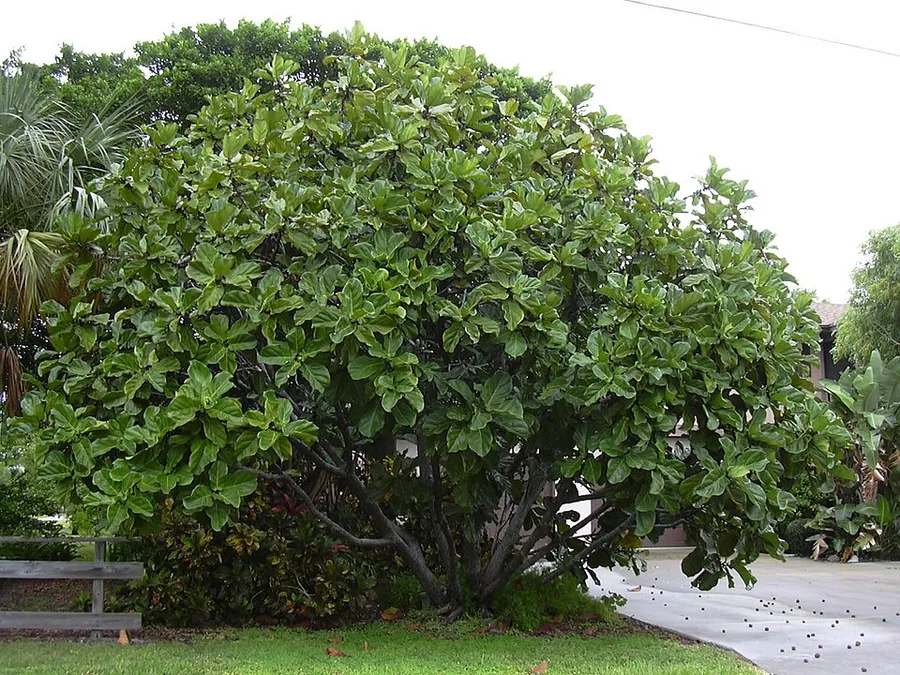
Overview
Reach for a fiddle-leaf fig when you want one commanding plant to anchor a room. It sits in the fig family and traces back to the tropical forests of western and west-central Africa, where it shoots up into a full tree. Brought inside, it stays a tall, upright specimen plant flaunting broad, glossy, violin-shaped leaves.
The notion that it is hard to grow outpaces the reality. It wants little, but it does insist on consistency: that same bright corner, that same watering rhythm, no abrupt moves and no cold drafts. Nail those and it shrugs off the rest. Shuffle it from room to room or let the watering lurch around and it fires back with brown spots and falling leaves.
Treated right, it stretches from a tabletop start up toward the ceiling across a handful of years, hitting 2 to 10 feet (60 cm to 3 m) indoors. The cost of all that presence is the milky sap, which stings skin and threatens pets, so park it where cats, dogs, and kids cannot get at it.
Care
The short version: bright indirect light, an even watering routine that lets the top few centimeters go dry, a fast-draining acidic potting mix, and one warm, draft-free corner it can claim and keep.
Light
Park it in bright indirect light, best of all near a window where the sun glances past the leaves rather than blasting them. Part shade suits it fine, but a harsh afternoon beam will scorch the foliage, so screen the light or back the plant off the fiercest rays.
Water
Reach for the watering can once the top few centimeters of soil dry out, testing it with a finger sunk about 2 inches down. The plant hates either extreme, so never let the rootball go bone dry or shrink from the pot, and never leave its feet sitting in water. Pare back through fall and winter.
Soil
Pot it up in a fast-draining, loamy, acidic mix that grips a bit of moisture yet never turns to muck. Shoot for a pH of 6.0 or under, and stick to a container with drainage holes so water pours clean through.
Temperature
Hold it warm, north of 55°F (12.8°C), and tucked away from cold panes and drafts. Abrupt temperature jumps rank among the top reasons leaves spot or drop, so a steady indoor corner serves it best.
Humidity
Ordinary room humidity covers it, so skip chasing any target number. Swiping the broad leaves clean now and then beats misting hands down, since spotless leaves drink in more light.
Feeding
Through spring and summer, feed it weekly with a diluted liquid fertilizer at a 3-1-2 (N-P-K) ratio, stirred into your watering. That nitrogen boost fuels its leafy push. Cut the feeding when growth winds down for the season.
Pruning
This fig handles pruning with ease, so shape it or rein in its height any time the urge strikes. Pull on gloves first, since the milky sap weeping from cut stems irritates skin.
Repotting
Move it to a bigger pot every 1 to 2 years once it outgrows the old one, though a touch of potbound never bothers it. Step up a size when roots start sneaking through the drainage holes or the soil drains in a flash and shrinks from the pot's rim.
Size & spacing
24–120 in (61–305 cm) tall
Troubleshooting
Almost every fiddle-leaf fig complaint surfaces on the leaves, and almost all of it loops back to watering or some shift in the plant's setting. Catch the signals early and you head off the cause before it spreads. Line up what you see against the list below, then move.
Brown spots spreading across the leaves
When brown spotting creeps in, suspect overwatering and root rot long before you suspect a dry plant. A chilly draft, a heat vent blowing nearby, or watering that yo-yos from drenched to parched will all feed it. Dig into the soil and study the roots, shift the plant clear of any draft, and lock in an even watering rhythm before that can ever tips again.
Fix:
- Let the soil dry appropriately and confirm the pot drains freely
- Move the plant away from drafts, vents, and cold windows
- Re-establish a consistent watering routine; trim rotted roots if root rot is present
Leaves dropping off the plant
Dropping leaves are this fig's way of protesting a shake-up in its surroundings. The leading offender is uneven watering, though a cold draft, a fast swing in temperature, or even hauling the pot to a fresh corner can knock leaves loose. Settle it into one dependable spot, keep the moisture steady, and it stops sulking.
Fix:
- Keep watering consistent
- Avoid moving the plant once it is settled
- Protect from cold drafts and hot/dry air from vents
Bugs, fine webs, or a tacky film showing up on leaves
Figs grown inside pull in the regular crowd of sap-sucking pests: scale, aphids, mealybugs, thrips, and spider mites, that last bunch thriving on dusty leaves and parched indoor air. Flip the leaves and hunt for crawlers, fine webbing, or a sticky honeydew sheen. Sponge and shower the foliage, hit it with insecticidal soap or horticultural oil, and quarantine the plant from its neighbors until you have the trouble beaten.
Fix:
- Wipe leaves and rinse foliage
- Treat with insecticidal soap or horticultural oil as directed
- Isolate the plant until the infestation is controlled
Pale, crisped burn marks where the sun hits the foliage
Washed-out, crisped patches signal leaf scorch from sun hitting the foliage straight on. Watch where the harm lands: it clusters on the window side and peaks after fierce afternoon rays. Ease the plant back into bright indirect light or curtain off the strongest sun, and fresh leaves push out unblemished.
Fix:
- Move to bright indirect light
- Shield from direct afternoon sun
Dusty film leaving the broad foliage flat and lifeless
Such wide leaves act like dust traps, and a heavy coating chokes off the light the plant runs on and hampers how it breathes. The clue is a flat, grayish sheen across the surface. Run a damp cloth over both faces of every leaf and the shine snaps right back.
Fix:
- Wipe the top and bottom of the leaves with a damp cloth or paper towel
Toxicity
Do not raise this plant anywhere pets can reach it. Every scrap of it runs with a milky sap rich in the enzyme ficin, which inflames the mouth and gut of cats, dogs, and other animals and triggers drooling and vomiting after a bite. That sap nips human skin as well, and not one part is edible, so glove up to handle it and keep it clear of animals and kids.
Toxic to
Cats · Dogs · Horses · Rabbits · Livestock · Birds · People
Cats Toxic
Let a cat bite into a leaf and its mouth turns sore and raw, drool pours out, and vomiting tends to follow fast. Where the milky sap touches skin, it can flush red and swell.
Dogs Toxic
Once a dog chomps the foliage, count on an irritated mouth and belly, heavy drooling, and vomiting. Sap smeared on the muzzle or paws can leave those patches of skin tender and inflamed.
Horses Toxic
That same ficin-rich latex stings a horse's mouth and gut, sparking drooling and a churning stomach. Park the plant somewhere a horse cannot reach.
Rabbits Toxic
Keep rabbits from gnawing any scrap of this fig. The stinging sap throws their mouth and gut into upset, so rule the entire plant out of bounds.
Livestock Toxic
Browsing goats and sheep can wind up with a sore mouth and an upset stomach from the latex. Not a leaf on it is worth gambling their health.
Birds Toxic
Pet birds have no business near the biting sap, since even a nibble can set them off. Keep them well away from the leaves and from any stem you have cut.
People Caution
Nothing on this plant is fit to eat, and the milky sap can turn skin red, itchy, and sore. Glove up before you prune or handle cut stems, and scrub your hands when you finish.
The milky sap (latex) can irritate skin; wear gloves when pruning or handling cut stems
Helpline numbers

United States
ASPCA Animal Poison Control: (888) 426-4435 (fee applies)
Poison Control: (800) 222-1222



Canada
Poison Centres: 1-844-764-7669
Varieties
Shops mostly stock the plain species, yet a handful of named picks show up here and there, usually smaller or variegated. Here are the ones worth keeping on your radar.
Bambino
This dwarf cultivar holds at a fraction of the full species, the obvious choice when a tabletop or a snug corner is all the room you have.
Compacta
Reaching roughly 5 feet with tighter, smaller leaves, it builds a denser, bushier shape than the rangy parent plant.
Little Sunshine
Gardeners chase this compact, variegated form for its trim stature and patterned leaves.
Variegata
Its leaves run green and cream, and it barely surfaces in stores, so spotting one counts as a small score.
How to propagate
The plant on your shelf can hand you a whole new fiddle-leaf fig, and a stem cutting gets you there. All it costs is a little patience and a pair of gloves.
Stem cuttingsModerate
Spring through summer during active growth · Roots over several weeks under warm, humid conditions
To raise more fiddle-leaf figs, lean on a stem cutting snipped in spring or summer while fresh growth is coming on. Hold it somewhere warm and humid and it roots over several weeks. Slip on gloves before you start, because the milky sap bites at skin.
Myths
Keeping a fiddle-leaf fig going indoors is basically a lost cause for the average grower.
The scare stories outpace reality by a mile. It wears a fussy face, yet steady light, attentive watering, and one place to stay handle most of the work. Hand it that trio and it grows along happily.
Whenever brown patches appear on the foliage, the fig is begging for a drink.
Reaching for the watering can usually backfires here. Far more often, brown spots trace to overwatering and root rot, or to cold drafts and temperature swings, rather than a parched plant. Probe the soil and size up where the pot stands before you pour any more.