Tree · Moraceae
Common Fig
Ficus carica
Give it full sun and steady summer water, and a fig keeps the harvest coming for decades.
Full sun
Every 7–14 days
50–95°F · 10–35°C
USDA 7–10
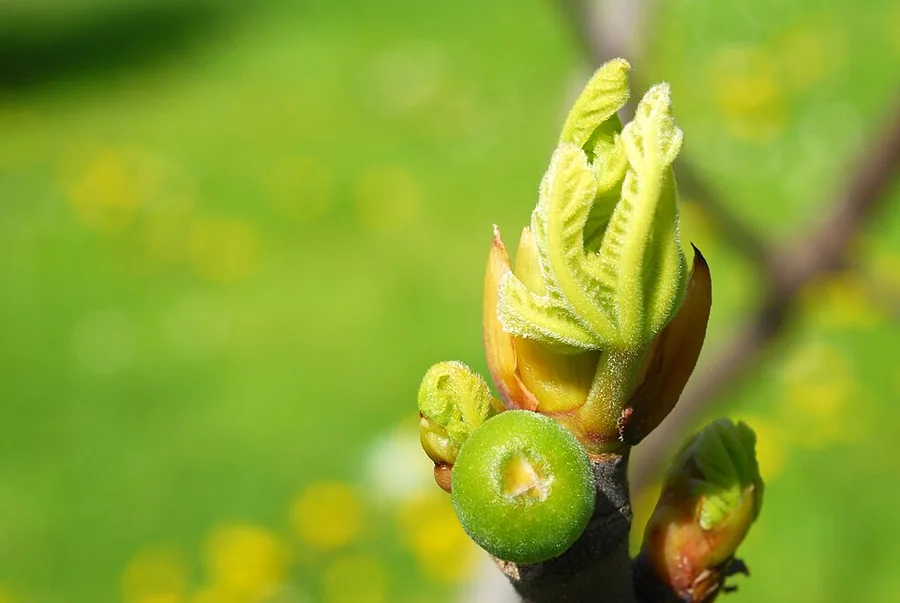
Overview
Few backyard trees deliver like a fig. It is a deciduous member of the mulberry family with broad, lobed leaves, and growers have prized it around the Mediterranean for thousands of years. Best of all it is forgiving and fast, rocketing from a humble cutting to a fruiting tree in just a few seasons.
The harvest is where a fig truly shines. The home-garden kinds set fruit all on their own, no pollinator and no fuss, so a single tree fills baskets in no time. They surge fast and large, sprawling 10 to 30 feet across in open ground, though a pot reins one in nicely for a patio.
The one quirk to track is the sap. Snap a leaf or stem and out runs a milky, irritant sap that stings bare skin and bothers pets. The ripe fruit is completely safe to eat, so the whole fix is gloves at pruning time and a spot the dog cannot reach.
Care
The short version: plant a fig in full sun and rich, well-drained soil, water it deeply all season while keeping the ground from going soggy, prune in late winter, and feed it from spring into early summer.
Light
A fig craves full sun, and the more it soaks up, the sweeter the fruit and the tougher the tree against disease. It will handle a little partial shade, but that buys you a smaller, later crop.
Water
Water deeply and regularly right through the growing and fruiting season, since steady moisture sizes the fruit and locks it onto the tree. Soggy, waterlogged soil is the deal-breaker, so let the top inch or so dry between drinks. Pile on some mulch to even out the moisture and shut down fruit drop.
Soil
Plant into rich, well-drained loam that stays moist but never soggy. Figs love a pH from 6.0 to 7.0 and balk at alkaline ground, so dig in plenty of organic matter before you plant.
Temperature
Figs run on heat, hitting their stride between 50°F and 95°F (10°C to 35°C). They thrive in mild zones, and where it turns cold the top can die back while the roots power through and bounce back.
Humidity
Plain outdoor air keeps a fig happy, somewhere around 40% to 60%. What really counts is airflow through the canopy, way more than any humidity number, since crowded, damp leaves roll out the welcome mat for rust.
Feeding
Feed from spring through midsummer, roughly April to July, with a balanced granular fertilizer like 8-8-8 or 10-10-10. Cut it off by late summer so the tree is not pushing tender growth into winter, and dial back the rates in colder zones to harden the wood for the cold.
Pruning
Prune in late winter while the tree rests. Clear out dead wood and open it to a bushy shape, taking up to a third or half of last year's growth to fire up branching, and never leave stubs. Fruit forms on new wood, so keep a light touch and protect the coming crop.
Repotting
A potted fig wants a fresh start every 2 to 3 years. Swap in new soil and trim the roots the moment they circle the pot or burst out the drainage holes, or when the soil dries out almost as fast as you pour it in.
Size & spacing
Turn a fig loose in open ground and it grows fast and big, anywhere from 10 to 30 feet (3 to 9 m) tall and about as wide. Give it that elbow room from buildings and other trees, or keep it compact in a roomy pot.
When to plant
Figs are sun-chasers that crave a long, hot season to ripen a great crop. Get young plants into the ground in late winter or early spring once hard frost has cleared out, and the main harvest rolls in from late summer into fall.
Northern hemisphere
Southern hemisphere
Typical months for a temperate climate: start earlier in warm zones, later where spring frosts linger.
- Plant: Late winter to early spring once hard-frost danger passes, using dormant bare-root or container plants
- Harvest: Main crop ripens late summer into fall (about July to October); the tiny flowers are hidden inside the fruit and are not showy
Hardiness
USDA hardiness zones: 7–10
Temperature: down to -18°C
Troubleshooting
A fig hardly ever gives a grower grief, and when it does the trouble lands at the roots, the leaves, or the ripening fruit. Catch the signs below early and a quick bit of sanitation usually turns it right around. Spot the match, then jump on it before it digs in for the season.
Stalled growth and knobby galls all over the roots
Dig up a struggling fig, spot rounded swellings strung along the roots, and you have found root-knot nematodes, which hit hardest in sandy ground with a history of the pest. No chemical cure exists once they grab hold, but you still hold the cards. Pull and destroy the worst plants, replant with clean stock in fresh soil, and pile on heavy mulch to keep the surviving roots charging.
Fix:
- Remove and destroy severely infected plants
- Replant with clean or container-grown stock in fresh, nematode-free soil
- Mulch heavily and water well to support remaining root vigor
Rust-colored spotting and a canopy that empties out early
Yellow-brown spots backed by rusty pustules under each leaf point straight to fig rust, a fungus that rarely kills a fig but can strip the canopy early in a rough year. Rake up and torch the fallen leaves to wipe out the spores, thin the branches to get air moving, and reach for a labeled fungicide only when the disease keeps storming back year after year.
Fix:
- Rake up and destroy fallen leaves to remove spores
- Thin the canopy to improve air circulation
- Apply a labeled fungicide only if damaging epidemics recur yearly
Figs that turn drippy and sour-smelling just as they ripen
Ripening fruit that ferments and gives off a sour, boozy whiff has caught souring, sparked by yeasts that insects ferry in through the open eye at the base of the fruit. Pick figs the second they ripen and clear out anything already spoiled. Grow a tight- or closed-eye cultivar like Celeste and you slam the door on most of the trouble.
Fix:
- Harvest fruit promptly as it ripens
- Remove and dispose of spoiled fruit
- Grow closed- or tight-eye cultivars such as Celeste
Toxicity
The ripe fruit is all yours to enjoy, but the rest of the tree earns some respect. Snap a leaf or stem and a milky sap of ficin and psoralens runs out, and it irritates the mouth, gut, and skin. Keep pets from chewing the foliage, and grab gloves and long sleeves before you prune, because that sap can blister skin in sunlight.
Toxic to
Cats · Dogs · Horses · Rabbits · Livestock · Birds
Safe for
People
Cats Mild
A cat that chews the leaves or stems will drool and may vomit, left with a sore, irritated mouth. Sap on the skin can flare into a red, itchy rash.
Dogs Mild
After a dog gnaws a leaf or stem, watch for drooling, an upset stomach, and pawing at the mouth. The sap can redden and inflame the skin wherever it lands.
Horses Mild
That same milky sap irritates a horse's mouth and gut, kicking off drooling and a touch of colic if leaves or stems get eaten.
Rabbits Caution
Rabbits and fig foliage don't mix. That irritant sap works on a rabbit's mouth and gut the same way it does on everything else, so keep stems and greenery firmly out of nibbling range.
Livestock Caution
Grazing animals usually steer clear of figs, but the sap in the leaves and stems can still upset the mouth and stomach, so it is best kept off the menu.
Birds Caution
Birds happily raid the ripening figs and come away fine. The sap-filled foliage is a different story, an irritant they're better off skipping.
People Ripe fruit safe
Ripe figs are a treat and safe to eat. The catch is the sap from leaves and stems, which can burn the skin and flare into a blistering rash in sunlight, so wear gloves and long sleeves when you prune.
Wear gloves when pruning, as the sap can irritate skin and, combined with sunlight, cause photodermatitis.
Helpline numbers

United States
ASPCA Animal Poison Control: (888) 426-4435 (fee applies)
Poison Control: (800) 222-1222



Canada
Poison Centres: 1-844-764-7669
Varieties
Hundreds of fig cultivars are out there, and a few really earn their keep in a home garden for sweetness, steady cropping, or pure grit. These are the names that pay off.
Celeste
Celeste is a small, sweet fig with a closed eye that locks souring organisms out, and it shrugs off cold better than most common types.
Brown Turkey
Brown Turkey is a vigorous, dependable powerhouse of large fruit grown all across the Southeast, and it turns up in catalogs as Texas Everbearing too.
Chicago Hardy
Chicago Hardy is about the toughest fig you can plant, its roots riding out hard freezes and firing fresh growth from the base even when the top dies back.
How to propagate
Here is the fun part: figs are some of the easiest fruit trees going to multiply, and one plant hands you several free ways to do it.
Stem cuttingsEasy
Late winter to early spring, using 8 to 10 inch dormant cuttings of one-year-old wood · About one growing season before transplanting in fall
Start right here for the easy win. Take 8 to 10 inch dormant cuttings of one-year-old wood in late winter or early spring and drive them into soil so one or two buds peek above the surface. Figs root eagerly from hardwood, and the young plants are set to move in fall after about a season's growth.
LayeringEasy
Spring to summer · About one growing season
Put the plant's own habits to work. From spring through summer, pin a low branch down and mound soil over it, or just dig up one of the rooted suckers the tree throws and replant it. Either way a brand-new fig is ready in roughly a season.
Air layeringModerate
Late spring to summer on semi-hardwood shoots · Several weeks to root, then pot up
Reach for this to score a bigger, further-along plant right out of the gate. Wound a semi-hardwood shoot in late spring or summer, wrap the spot in damp moss, and roots fire up over several weeks before you cut it free and pot it up.
Myths
You only get figs if a fig wasp has done its work first.
The common figs grown in home gardens set fruit all by themselves, with zero pollination. Only Smyrna, San Pedro, and caprifig types lean on the fig wasp, and that insect cannot even survive across most of the US. Plant a common type and the figs roll in.
Figs from a pet-toxic tree have to be poisonous themselves.
The ripe fruit is edible and safe for people. The hazard is the irritant milky sap in the leaves and stems, never the figs you pick and devour.