Tree · Rutaceae
Kumquat
Citrus japonica
Give it full sun, even water, and cover from hard frost, and this little citrus keeps pumping out fruit all winter.
Full sun
Every 5–10 days
USDA 8–11
8–15 ft · 2.4–4.6 m
Overview
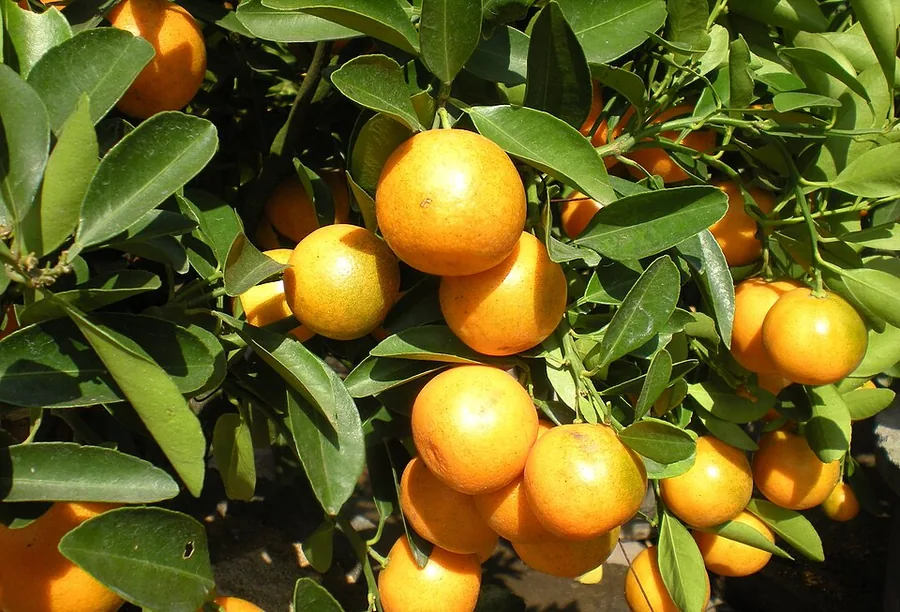
The kumquat is the pocket-sized firecracker of the citrus clan, a slow-growing tree that loads up on thumb-sized fruit you eat whole. It hails from East Asia and thrives in a sunny yard or a roomy pot you can wheel under cover when the cold rolls in. Best of all, it turns citrus on its head with a sweet rind wrapped around tart flesh.
The trait that makes it stand out is flat-out cold grit. Where a lemon or lime folds below freezing, a kumquat powers through a brief chill and clings to its fruit right on the branch. Add that hardiness to its slow, tidy habit and you get one of the most rewarding citrus to grow where winters actually bite.
Once it digs in, this tree keeps things easy. Hand it sun, steady water, and a feed across the growing season, and it barely asks for more. The one thing to stay on top of is drainage, because soggy roots trip up far more kumquats than any frost ever manages.
Care
The short version: full sun, loamy soil that drains fast, and even moisture that never leaves the roots wet. Feed monthly through spring and summer, and cover the tree when a hard freeze looms.
Light
Plant a kumquat in full sun, six hours or more a day, and it rewards you with the heaviest crop and the sweetest fruit going. It shrugs off light afternoon shade in a hot climate, but bury it in deep shade and you get a thin, sparse tree.
Water
Keep the soil evenly moist, letting the top dry a touch between drinks, which usually lands around every 5 to 10 days. Heat and pot life dry the roots faster, so crank up the frequency then, and never let water pool, because soggy roots wreck this tree faster than anything else.
Soil
Drop it into loamy, well-draining ground on the acidic side, near a pH of 6.0 to 6.5. Sharp drainage beats rich soil every time here, since standing water, not thin feeding, is what finishes off kumquats.
Temperature
This tree charges through a huge range, from about 10°F to 100°F (-12°C to 38°C), which stamps it as one of the hardier citrus. It still grabs a little cover during a hard freeze, especially while young.
Humidity
Ordinary air of about 40% to 60% keeps a kumquat cruising, so outdoors there is nothing to sweat. Indoors in dry winter heat, a shot of extra humidity keeps the leaf edges from browning.
Feeding
Feed monthly through spring and summer while the tree powers along, using a balanced citrus fertilizer. Grab one loaded with the micronutrients citrus craves, namely iron, zinc, and manganese, since coming up short there is what yellows the leaves.
Pruning
A kumquat hardly needs the shears. Just clip out dead, damaged, or crossing branches and any rootstock suckers in late winter to early spring once you have picked the fruit.
Repotting
A potted kumquat wants a fresh, bigger home every 2 to 3 years, or sooner once roots start circling and water blasts straight through. Roots jabbing out the drainage holes and stalled growth are the other tells that it is time to move up.
Size & spacing
A kumquat climbs slowly to about 8 to 15 feet (2.4 to 4.5 m) tall with a 6 to 10 foot (1.8 to 3 m) spread. A container reins it in toward the smaller end, part of why it travels indoors so well.
When to plant
The kumquat runs on a long, cool-season clock, and it is a joy to track. It bursts into bloom in late spring around May and June, then ripens its fruit right through the colder months, stretching the harvest from October all the way into March. Plant new trees out in spring once frost has cleared out.
Northern hemisphere
Southern hemisphere
Typical months for a temperate climate: start earlier in warm zones, later where spring frosts linger.
- Plant: Spring, after danger of frost has passed
- Harvest: Blooms late spring (May to June); fruit ripens October through March
Hardiness
USDA hardiness zones: 8–11
Temperature: down to -12°C
Troubleshooting
Nearly every kumquat hiccup pops up in the leaves or the fruit, and it circles back to water, feeding, or cold. Catch the early signs and you can crush the cause before it spreads. Match what you spot below, then move while it still counts.
Leaves going yellow
Yellow leaves are a puzzle you can crack fast. Yellow trapped between the green veins points straight to a micronutrient gap, usually iron or zinc, while a whole leaf that fades flat is calling for nitrogen. Wet, badly drained soil copies the same look, so feed a chelated citrus fertilizer, back off the water until the roots dry, and watch the green come charging back.
Fix:
- Apply a citrus fertilizer with chelated micronutrients
- Correct drainage and reduce watering frequency
Fruit dropping early
A stressed kumquat bails on its fruit, and uneven watering almost always pulls the trigger, whether the roots bake dry or drown. A cold snap or a wild temperature swing hits the same button. So track back through your watering and the weather, lock the soil at evenly moist, and rush the tree under cover when frost threatens, and the fruit hangs on.
Fix:
- Maintain consistent soil moisture
- Protect the tree from frost during cold snaps
Black soot and sticky leaves
That black dusting is sooty mold, and it points you straight to the real troublemakers. It thrives on the sugary honeydew that sap-sucking bugs dribble out, so flip a few leaves and go hunting for soft scale, whiteflies, or aphids below. Knock the pests back with horticultural oil or insecticidal soap, then rinse the mold clean once the bugs clear out.
Fix:
- Treat the insect pest with horticultural oil or insecticidal soap
- Wash off the mold once pests are controlled
Toxicity
The fruit is a flat-out treat for people, but the rest of the tree stays off the menu for pets. The peel, leaves, and stems carry essential oils and psoralens that irritate the gut, so a cat, dog, or horse that chews them usually picks up a mild stomach upset. Sweep prunings and fallen fruit out of the way wherever animals graze.
Toxic to
Cats · Dogs · Horses · Rabbits · Livestock · Birds
Safe for
People
Cats Mild
Let a cat chomp the peel or a leaf and it usually lands an upset stomach, meaning drooling, vomiting, and loose stools. The oils can redden the skin too, so wipe them off.
Dogs Mild
A dog that raids the leaves or fallen fruit may turn sluggish, with vomiting and diarrhea trailing behind. Happily, most cases stay mild and clear out on their own.
Horses Mild
Those citrus oils and psoralens churn up a horse's gut just the same, sparking colic-like discomfort and loose droppings. Sweep prunings and windfall out of the paddock and the worry vanishes.
Rabbits Caution
A rabbit runs a touchy gut that the oily peel and bitter leaves can throw into chaos. Skip kumquat as forage, full stop.
Livestock Caution
Goats, sheep, and cattle can grab a bit of windfall without much fuss, but pile on oily peel and foliage and it can sour the rumen and kill their appetite. Clear the drops and steer them off it.
Birds Caution
Birds react fast to citrus essential oils, which stir up gut trouble. A tiny taste of flesh passes fine, but keep the peel and leaves well away.
People Fruit safe
Grab the whole fruit and eat it, peel and all, since it is a genuine kitchen treat. Slice through a big batch of peel or leaves, though, and sensitive skin may sting a little.
The fruit flesh is edible to people, but pets chewing peel, leaves, or large amounts of plant material can get mild GI irritation; essential oils may also irritate skin.
Helpline numbers

United States
ASPCA Animal Poison Control: (888) 426-4435 (fee applies)
Poison Control: (800) 222-1222



Canada
Poison Centres: 1-844-764-7669
Varieties
Only a handful of kumquats show up in gardens and groceries, and they split apart on shape, sweetness, and cold grit. Get to know these names before you plant.
Nagami
Nagami leads the pack, an oval kumquat that snaps tart flesh against a sweet, edible rind.
Meiwa
Meiwa wins the fresh-eating crown, a round, larger, nearly seedless fruit that runs sweeter than every other kumquat.
Marumi
Marumi brings a round, slightly tart fruit on a thorny tree that laughs off cold better than the rest.
How to propagate
Kumquats spring from grafts, cuttings, or seed, and your pick sets how fast you cash in on fruit and how true the tree runs to its parent.
GraftingModerate
Spring to early summer when bark slips · 1 to 2 years to a sizable tree
Grafting is the growers' go-to move, and it pays off fast. Do it in spring or early summer while the bark slips, and it launches a true-to-type tree that races ahead, holds the parent's cold tolerance, and bulks up into a sizable tree in just 1 to 2 years.
Stem cuttingsModerate
Late spring to summer · Several months to root
Snip cuttings in late spring or summer and you can root your own, though they take their sweet time, striking slowly and unevenly over as long as several months. Load the base with rooting hormone and slide some bottom heat under them to tip the odds your way.
SeedEasy
Spring · Several years to fruiting
Sow seed in spring for the easiest start and a fun little gamble. Seedlings often wander off from the parent and can dawdle several years before they fruit, so lean on them for rootstock or pure experiment rather than a crop you can bank on.
Myths
You should peel a kumquat before eating it because the skin is the bad part.
Skip the peeler, because a kumquat is the citrus you devour whole. The rind packs the sweet and the flesh packs the tart, flipping an orange right around, so peeling it tosses the best bite. Bite straight through the peel, since it is built to be eaten.
Kumquats are too tender to survive any frost.
A kumquat scoffs at the cold and ranks among the toughest citrus going. It rides out brief plunges well below freezing, with sources clocking hardiness down to about 10°F (-12°C).