Ornamental · Campanulaceae
Bellflower
Campanula persicifolia
Give it cool weather, sun, and well-drained soil, and the bellflower rings out blue bells every summer.
Full sun
Every 5–7 days
USDA 3–7
2–3 ft · 0.5–0.9 m
Overview
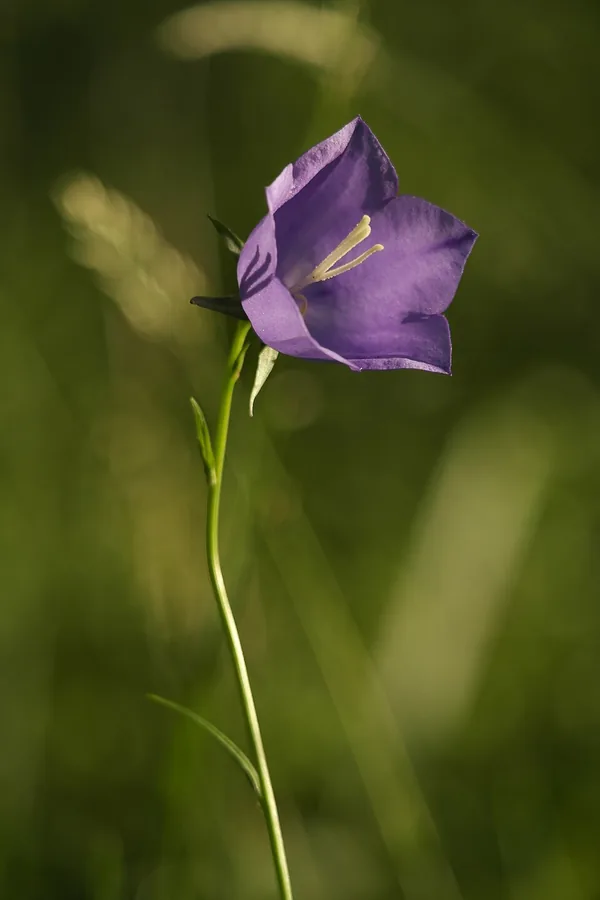
Bellflowers fling an easy splash of blue and white across the early-summer border and never make you work for it. The peachleaf bellflower shoots up slim stems strung with large, outward-facing bells that ring from June into July. It joins a sprawling Campanula family that runs from tall border standouts clear down to low edging mounds.
Count on this cool-climate perennial to come roaring back year after year, hardy from zone 3 to 7 and happiest where summers stay mild. It bulks up into a clump you can split for free plants, which feels like getting paid to garden. Heat is its one weak spot, so warm-region growers give it afternoon shade and keep the water coming.
The best part is how little most bellflowers demand. Hand them sun, drainage, and breathing room, and they reward you with weeks of bloom. Snip the spent flowers and watch them often ring out a second flush later in the season, stretching the show even longer.
Care
The short version: full sun, or afternoon shade where summers run hot, in average well-drained soil kept evenly moist. Deadhead the spent blooms, divide the clump every few years, and go easy on the feeding to keep it cranking.
Light
Bellflowers really light up in full sun, though they shrug off partial shade just fine. Where summers run hot, hand them some afternoon shade, which keeps the plants cool and stretches the bloom way out.
Water
Keep the soil at average, even moisture and water every 5 to 7 days when things dry out. Drainage is the big deal, so dodge ground that stays soggy or bakes bone dry, and pour on extra water in hot regions from zone 7 up.
Soil
Almost any well-drained soil gets them going, whether loam, sand, or ground loaded with organic matter. They roll with a wide pH from 6.0 to 8.0, so most garden beds turn them loose without a fuss.
Temperature
This is a tough cold-hardy plant that powers through winters down to -29°F (-34°C). It does run out of gas once summer heat blows past 86°F (30°C), which is why it fizzles in warm-climate gardens without some shade.
Humidity
Plain outdoor humidity does the job, so forget about managing a level. Air movement is the real player, since muggy, still air paired with warm nights is what drags these cool-weather plants down.
Feeding
Bellflowers barely touch their plate. One light, balanced feed about four weeks before bloom is plenty, and like most perennials they take off on lean soil instead of rich.
Pruning
Deadhead the spent blooms to fire up a second flush and rein in self-seeding. Once stem leaves fade, cut the flowering stalks back to the basal rosette, and pinch the plant here and there to keep it bushy and full.
Repotting
Bellflowers bulk into clumps that lose steam over the years. Divide them every 3 to 4 years to keep the flowering blazing, and let crowded growth or fewer blooms cue you to lift and split.
Size & spacing
Plants shoot to 1.5 to 3 feet (46 to 91 cm) tall and spread 12 to 18 inches (30 to 46 cm) wide. Hand each one that much room so air rips through freely and the clump fills right in.
When to plant
Bellflowers run on a cool-season clock that is easy to ride. Start seed indoors in late winter, push young plants outside in spring once frost clears, and the bells fire off from June into July.
Northern hemisphere
Southern hemisphere
Typical months for a temperate climate: start earlier in warm zones, later where spring frosts linger.
- Sow: Late winter to early spring (8-10 weeks before last frost)
- Plant: Spring after last frost
- Harvest: June to July
Hardiness
USDA hardiness zones: 3–7
Temperature: down to -40°C
Troubleshooting
Bellflowers rarely throw a curveball, and the few they do are quick to read. Almost everything traces to chewing pests on the leaves or summer heat draining the plant. Match what you spot below and pounce early.
Plants running out of steam where summers crank up the heat
Bellflowers thrive on cool air, so relentless heat and humidity sap them where nights cling to 70°F (21°C). They lose momentum south of zone 7, so throw them some afternoon shade and keep the moisture coming when summers turn fierce. Want them to power through? Plant them in the coolest pocket of the garden and let them rip.
Fix:
- Site plants where they receive afternoon shade in hot regions
- Ensure good drainage and adequate moisture
- Choose cooler microclimates for planting
Ragged holes in leaves and flowers with shiny trails trailing past
Spot ragged holes and a glistening trail and you have caught slugs and snails red-handed, the night crew that munches after dark and ducks for cover by day. Grab a flashlight after sunset and pick them off by hand for a quick, satisfying win. Rake out the mulch and old leaves they hide in, and scatter a little iron-phosphate bait to shut down any comeback.
Fix:
- Hand-pick slugs and snails in the evening
- Remove plant debris and mulch that provides hiding spots
- Use traps or iron-phosphate baits if pressure is high
Curled new growth swarming with tiny insects and a sticky coating
Catch the fresh tips curling and crowded with green or black specks under a sticky coating and you have found aphids moving in. Hit them with a sharp jet of water and blast the colony right off the plant. Chase any holdouts with insecticidal soap, and dial back the nitrogen, since that soft, juicy growth is exactly the buffet that pulls them in.
Fix:
- Spray plants with a strong jet of water to dislodge aphids
- Apply insecticidal soap if infestation is heavy
- Encourage natural predators such as lady beetles
Toxicity
Great news for animal-loving households: bellflower is not known to be toxic to pets, livestock, or people. It steers clear of the standard poison lists, and foragers even eat some Campanula. A pet that chews through a wad of foliage might catch a brief stomach upset, and that is the whole story.
Safe for
People · Cats · Dogs · Horses · Rabbits · Livestock · Birds
Cats None
Cats get the all-clear with bellflower, since no toxin shows up on its record. Should one chomp a leaf, the worst on the menu is a quick stomach upset, the same deal as any plant a cat ought to skip.
Dogs None
Dogs can romp right past bellflower with zero worry, because it never lands on the standard toxic-plant lists. Even a dog that scarfs a mouthful of leaves usually walks away with nothing more than a little drool or a soft stool for a day.
Horses Safe
Horses have nothing to fear from bellflower, with no compound in it known to harm them. A grazing horse can crop it and carry on with no reported ill effect.
Rabbits Safe
Rabbits get along great with bellflower, and the foliage packs no toxin that would trouble them one bit.
Livestock Safe
Cattle, goats, and sheep can graze near bellflower with total confidence, since it holds no compound known to poison stock.
Birds Safe
Bellflower throws no danger at birds whatsoever. Backyard poultry and wild birds can breeze through a planting without a scratch.
People Safe
People are safe around bellflower, and foragers actually eat some Campanula. A child who grabs a stray leaf or flower out in the garden faces no danger at all.
Generally considered safe around pets and people; as with any plant, ingesting large amounts of foliage may cause mild, temporary stomach upset.
Varieties
Campanula is a huge genus, but a few bellflowers keep stealing the show in gardens. These are the ones worth chasing down by name.
Campanula persicifolia (Peachleaf bellflower)
It rockets up tall, upright stems of 1.5 to 3 feet that ring with large outward-facing bells from white to violet-blue all through June and July.
Campanula carpatica (Carpathian bellflower)
It packs a low, compact mound of upward-facing blue, purple, or white bells that makes a knockout edging plant.
Campanula glomerata (Clustered bellflower)
It climbs 6 to 24 inches and bunches its violet to lavender-blue flowers into dense clusters right at the stem tips.
Campanula medium (Canterbury bells)
A biennial grown for the sheer show of its big cup-and-saucer blooms.
How to propagate
Bellflowers multiply with hardly any effort, whether you split a clump, sow seed, or root a basal cutting.
DivisionEasy
Spring or early fall · One growing season
Division is the fastest way to crank out more bellflowers and breathe new life into tired old clumps. Lift and split an established plant in spring or early fall, and each piece roots in over a single growing season.
SeedModerate
Sow indoors late winter to early spring or allow self-seeding outdoors · Often blooms the second year from seed
Fire up bellflower from seed indoors in late winter to early spring, or let the plants drop their own and self-sow. Seedlings usually hold their flowers back to the second year, so keep deadheading through the season to steer the self-sowing where you want it.
Stem cuttingsModerate
Spring to early summer from basal growth · Several weeks to root
Cuttings clone a plant you love down to the last detail. Snip basal shoots in spring or early summer, and they root into brand-new plants over several weeks.
Myths
All bellflowers are dangerously poisonous to cats and dogs.
Toss this one out, because Campanula carries no reported toxin for pets. It is nowhere on Cornell's list of plants toxic to dogs, NC State's profile gives no poison warning, and foragers even eat some species. Plant bellflower around cats and dogs and enjoy it.
Every bellflower is a harmless garden ornamental.
Watch out for the rogue of the bunch. Creeping bellflower, Campanula rapunculoides, charges through a bed by both seed and underground rhizomes and digs in stubbornly once it lands. Pass on that one and grab a well-behaved bellflower instead.