Vegetable · Fabaceae
Green Bean
Phaseolus vulgaris
Sow them in warm soil and green beans hand you pods by the handful all summer.
Full sun
Every 2–7 days
61–84°F · 16–29°C
50–65 days
Overview
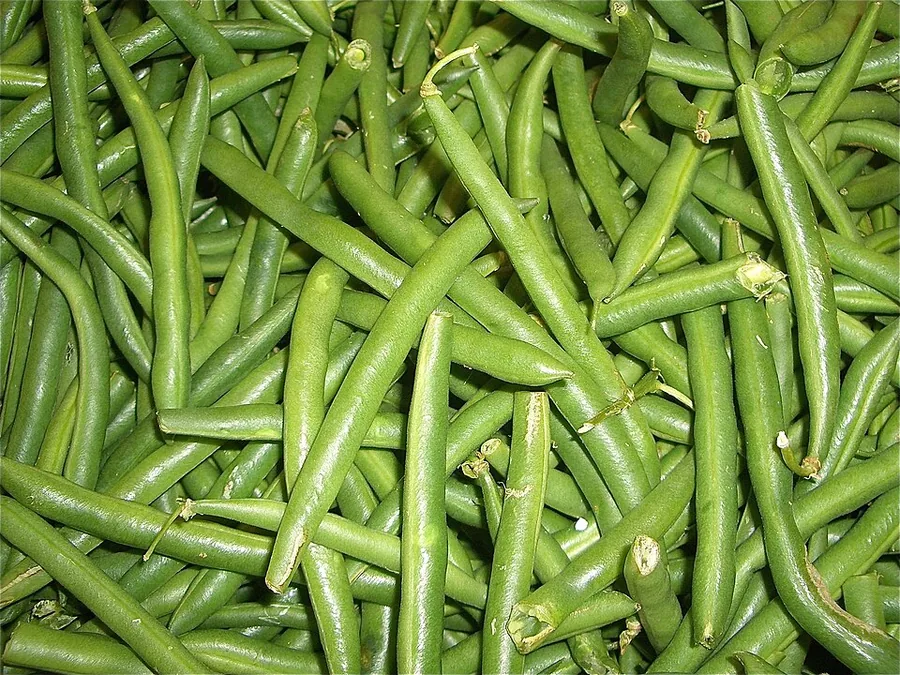
Green beans reward a first-time grower faster than almost any other crop, so they make a thrilling place to start. They belong to the legume family and trace back to the Americas, where people have grown them for thousands of years. Drop the seed into warm soil and up springs a fast, generous plant that gives back far more than it takes.
The fun starts with picking a habit. Bush beans stay low and compact and rush most of their crop out in one big wave, perfect for a small bed or a string of quick successive sowings. Pole beans climb week after week and keep pumping out pods all summer, so long as you hand them something to scramble up.
The best part is how beans fuel themselves. Their roots partner with soil bacteria to grab nitrogen right out of the air, so they charge ahead on poor ground that would stall other crops. Keep them watered through flowering, snap the pods off young, and they keep the harvest rolling for weeks.
Care
The short version: full sun, warm soil, and steady moisture once the flowers open. Sow the seed where it will grow, feed it light, and snap the pods off young and often to keep the harvest charging.
Light
Beans crave full sun, so hand them at least six to eight hours of direct light a day. Plant them in the brightest spot you own, because shade gives you leggy plants and a thin, late crop.
Water
Pour on about 1 inch (2.5 cm) of water a week and keep the soil evenly moist, above all while the plants flower and set pods. Water at the base and keep it off the leaves, since wet foliage throws the door wide open to rust and other diseases.
Soil
Plant into well-drained loam loaded with organic matter. A pH of 6.0 to 6.8 suits them, a touch acidic, and loose ground that drains fast keeps the seed from rotting before it sprouts.
Temperature
Beans hit their stride between 61°F and 84°F (16°C to 29°C). They need warm soil to germinate, and a late frost wipes out young plants, so rushing them outside buys you nothing.
Humidity
Ordinary outdoor humidity works fine, so there is no number to chase. Airflow counts for far more than the level itself, since crowded, damp leaves are exactly how rust and other fungal problems dig in.
Feeding
Beans make their own nitrogen, so they ask for next to nothing. A light dose of balanced fertilizer at planting does it, and a heavy hand just pumps out leaves at the expense of pods.
Pruning
There is no routine pruning to bother with. Just pinch off any diseased leaves you catch, and pick the pods often, since a steady harvest keeps the plant firing out more.
Size & spacing
Plants shoot from 1 to 10 feet (30 cm to 3 m) tall depending on whether you grow bush or pole types. A spread of 8 to 18 inches (20 to 46 cm) means each plant needs a little elbow room so air can move and disease stays down.
When to plant
Green beans thrive on heat and buckle at the first frost, so hold your fire early on. Wait for the last frost to clear and the soil to warm, then sow the seed straight into the garden. Snap the tender pods every few days through summer and the plants keep cranking them out.
Northern hemisphere
Southern hemisphere
Typical months for a temperate climate: start earlier in warm zones, later where spring frosts linger.
- Plant: After last spring frost when soil has warmed to at least 60°F
- Harvest: Harvest immature tender pods through summer, picking every few days
Hardiness
USDA hardiness zones: 2–11
Temperature: down to -46°C
Troubleshooting
Most bean trouble jumps out on the leaves or the pods, and a quick scan usually cracks the case. Match what you see below, then move while the problem stays small. Pouncing early is what stops a setback from tearing down the row.
Leaves chewed to lace with larvae working underneath
Leaves turning to lace point straight to the Mexican bean beetle, whose copper adults and spiny yellow larvae strip the tissue between the veins fast. Flip the leaves and go hunting on the undersides, where the larvae and yellow egg clusters hide out. Pick off every adult, larva, and egg mass you turn up, then clear the spent crop the moment you finish harvesting so the beetles find nowhere to overwinter.
Fix:
- Handpick adults, larvae, and egg masses
- Apply approved insecticide if infestation is heavy
Rusty pustules on leaves that yellow and drop
Raised rusty bumps that dust your fingers with spores give away bean rust, a fungus that yellows the leaves and drops them early once it digs in. Jump on it fast: strip the worst leaves right off. Then open up the spacing so the air dries the foliage, and aim your water low at the base to shut the fungus down.
Fix:
- Remove and destroy infected foliage
- Apply a labeled fungicide if severe
Flowers dropping before pods can form
Push past roughly 85°F to 90°F (29°C to 32°C) while the plants bloom and the flowers drop before a single pod forms. Skip the pest hunt, because this is pure heat stress. Keep the soil evenly watered to carry the plants through, and they charge right back into setting pods the moment the weather breaks.
Fix:
- Maintain even soil moisture
- Wait for cooler temperatures to resume pod set
Dark sunken lesions striking the pods
Round sunken lesions ringed in dark tissue, sometimes oozing pink spores, call out anthracnose. It hitches in on infected seed and races through the row whenever you brush past wet plants. Move fast: pull and bin every affected plant and pod, refuse to save their seed, and relaunch next season with clean seed on fresh ground.
Fix:
- Remove and destroy infected plants and pods
- Do not save seed from infected plants
Toxicity
Green beans are a safe, edible crop, and the growing plant brings no poison risk to people or pets, so you can garden with a light heart. The tender snap pods taste great raw or cooked, and cooked beans make a common treat for dogs. Just keep one thing in mind: mature dry seeds need cooking before anyone eats them, since raw dried beans hold lectins.
Safe for
People · Cats · Dogs · Horses · Rabbits · Livestock · Birds
Cats None
Green beans get a clean pass with cats. A cat that grabs a leaf or a tender pod runs no risk from the plant at all.
Dogs None
Dogs romp around green beans with zero worry, and plain cooked pods make a great low-calorie treat that plenty of owners toss their way.
Horses Safe
Horses stay perfectly safe around bean plants, since neither the foliage nor the pods pack any toxin that could harm them.
Rabbits Safe
Rabbits can nibble the leaves and young pods safely, though like any fresh green it goes down best in small helpings.
Livestock Safe
Cattle, goats, and sheep can browse bean plants without any poisoning risk, so the growing crop stays worry-free.
Birds Safe
Backyard hens and other birds can peck at the leaves and tender pods and bounce off with no trouble at all.
People Safe
Tender snap pods land on the plate raw or cooked, a real kitchen staple. Only the mature dry seeds need a cook first, since raw dried beans hold lectins.
Mature dry beans of Phaseolus contain lectins (phytohaemagglutinin) and should be cooked before eating, but tender immature snap pods eaten whole are not a pet-toxicity concern.
Varieties
Hundreds of bean varieties are out there, but a handful of dependable names keep showing up in most gardens. These are the ones worth grabbing before you reach for a packet.
Blue Lake
A heavy-cropping star that comes in both bush and pole forms, prized for round, tender pods that snap clean and stay string-free.
Kentucky Wonder
A rugged old pole bean gardeners keep growing for its full-flavored, meaty pods.
Provider
An early bush type that powers through cool soil, making it a sharp pick for the first planting of the year.
Contender
An early bush snap bean loaded with stringless pods and solid resistance to the diseases beans face most.
Companions
Beans grow well with the crops that share their space without competing, and the three-sisters trio of corn, beans, and squash is the classic example. They sulk next to alliums like onions, which hold their growth back.
Plant near
Corn: Part of the traditional three-sisters planting; corn stalks provide support for climbing beans.
Squash: Three-sisters companion; squash foliage shades soil and suppresses weeds while beans add nitrogen.
Cucumbers: Cited as a compatible companion that grows well alongside beans.
Potatoes: Listed as a beneficial companion in extension companion-planting guidance.
Keep apart
Onions: Alliums such as onions and garlic are reported to inhibit the growth of beans.
How to propagate
Green beans start about as easily as any plant going. You raise them from seed sown right where they will live, since they refuse to take being moved.
SeedEasy
Direct-sow after the last frost once soil reaches at least 60°F · Seedlings emerge in about 7-14 days under warm conditions
Drop the seed straight into the garden the moment frost clears and the soil hits at least 60°F (16°C). Beans hate root disturbance, so ditch the transplants, and never shove them into cold, wet ground where they rot instead of racing up. Warm soil kicks the seedlings out of the ground in about 7 to 14 days.
Myths
Green beans must be soaked or cooked before eating, just like dry beans.
The soak-and-cook rule belongs to mature dry seeds, packed with lectins that only heat breaks down. Tender immature snap pods go down safely raw or lightly cooked, so the dry-bean warning has zero hold over the green pods you snap off the vine.
Beans need a heavy dose of nitrogen fertilizer to crop well.
Beans team up with rhizobia bacteria in their roots and pull their own nitrogen straight from the air. Overfeed them and you grow a jungle of leaves with few pods to show for it, so a light feed at planting is all they crave.