Ornamental · Asparagaceae
Hosta
Hosta
Give it shade, steady moisture, and rich soil, and the hosta storms back with bold leaves that grow fuller every single year.
Partial shade
Every 3–7 days
USDA 3–9
0–3 ft · 0.1–0.9 m
Overview
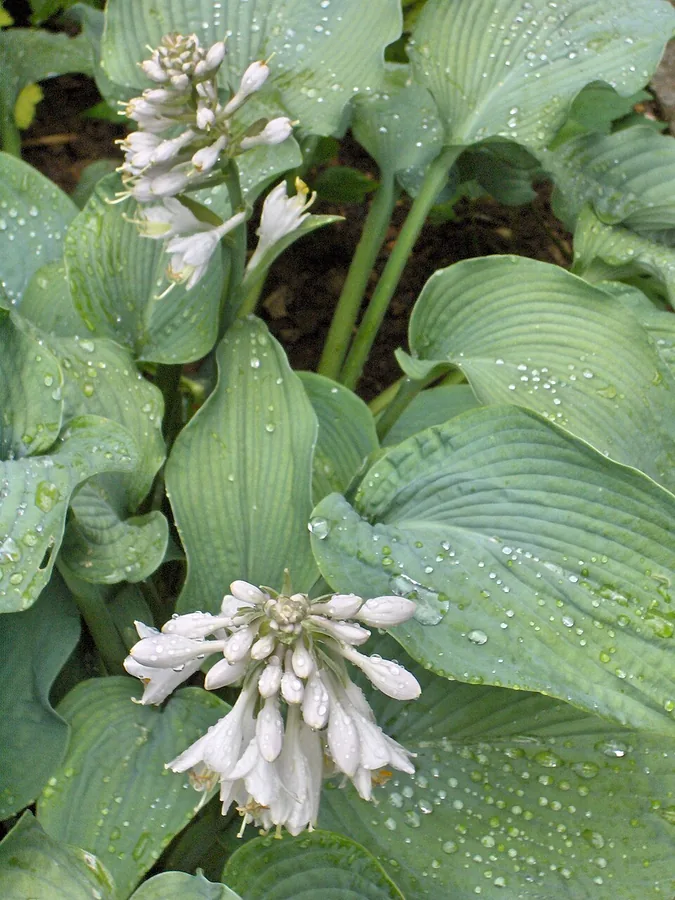
Hostas earn their keep as the powerhouse of the shade garden, grown for leaves that steal the show over any flower. They punch up as tight spears each spring, then throw open into broad mounds of foliage in greens, blues, golds, and sharp white-edged patterns. These tough, long-lived perennials dig in across a huge stretch of the country and ask next to nothing once they take hold.
The size range alone makes growing them a blast. A miniature holds tight at just 4 inches (10 cm) tall while a giant sprawls a full 4 feet (122 cm) across, so one plant edges a bed and another swallows a whole shady corner. Come summer they fling up tall scapes of pale, sometimes fragrant flowers, but the real prize stays the bold, layered leaves that carry the whole run of the season.
Their one true ask is shade and steady moisture. Drop them into rich, damp soil out of the punishing afternoon sun and they roar along for years with barely a nudge. Two things put a grower to the test, the slugs that shred the leaves ragged and a crown that rots when the soil sits soggy, and both are easy to head off.
Care
The short version: hand it filtered or dappled shade, rich soil kept evenly moist with about an inch of water a week, and a mulch to lock that moisture in while keeping it clear of the crown.
Light
Hostas want filtered or dappled shade over full sun or deep dark. Gold and yellow types soak up a little morning sun to crank up their color, while blue-leaved kinds need the deepest shade to hold their hue and dodge the scorch.
Water
Deliver about an inch of water a week, deep and even, and keep the soil moist but never soggy. Pile on a 2 to 4 inch (5 to 10 cm) mulch layer to trap that moisture and spare you loads of watering through dry spells.
Soil
Plant them into rich, well-drained soil loaded with organic matter, since hostas guzzle both moisture and nutrients. A pH anywhere from 6.0 to 7.5 works, so most garden ground is good to go once you fork in some compost.
Humidity
Plain outdoor air is all it takes, so forget chasing a number here. What really counts is punchy airflow around crowded clumps, which keeps the leaves drier and shuts down the pests and rots that thrive in stale, damp corners.
Feeding
A balanced garden fertilizer in spring as the leaves burst out covers most hostas, and only if a soil test flags a need. Stop feeding by late July so the plant can harden off and hold onto its winter hardiness.
Pruning
Snip the spent flower scapes the moment the blooms fade, and cut yellowed foliage back in late fall or early spring. Sweeping off those dead leaves pulls double duty, since it rips away the damp cover slugs hide under.
Size & spacing
Grown plants surge from 4 to 36 inches (10 to 91 cm) tall and spread 6 to 48 inches (15 to 122 cm) wide by type. Space each one to its eventual width so the mounds pack in full without crowding.
When to plant
Hostas are hardy perennials that come charging back on their own each year, so timing is all about getting them in the ground, not racing a harvest. Set new plants out in spring once the soil warms and the growing tips push through, or in early fall, and watch the flower scapes shoot up above the leaves through summer.
Northern hemisphere
Southern hemisphere
Typical months for a temperate climate: start earlier in warm zones, later where spring frosts linger.
- Sow: Seed is not recommended as cultivars do not come true; not typically started indoors
- Plant: Spring after the soil warms and growing tips emerge, or early fall
- Harvest: Flowers in summer on tall scapes above the foliage
Hardiness
USDA hardiness zones: 3–9
Temperature: down to -40°C
Troubleshooting
Most hosta trouble lands right on the leaves, whether something is chewing them or the sun is scorching them, and a few problems drive deeper to the crown. Match what you see below and jump on it early, before a small blemish snowballs into a lost plant.
Wilting plant with a soft, caving-in crown
A soft, darkened crown calls out crown and root rot, which grabs hold when the base stews too wet or vanishes under piled mulch. Chase it down and you land on soggy ground and mulch jammed against the stem. Rake that mulch clear in spring, sharpen the drainage, and dig out anything already caving in, since a rotted crown simply will not bounce back. Get the footing dry and the rest of the patch powers on.
Fix:
- Remove excess mulch from around the crown in spring
- Improve drainage
- Remove and destroy badly affected plants
Brown streaks boxed in tight by the leaf veins
Watch brown patches slam to a stop at every vein and you have pegged foliar nematodes, microscopic worms that surf a film of water across wet leaves. Fenced in by the veins, they carve those banded, wedge-shaped streaks that jump out by mid to late season. Strip off the infested leaves and destroy them, water down at the base so you never ferry the pest leaf to leaf, and pull any plant that is truly overrun. Kick off clean next time and you shut the door on it.
Fix:
- Remove and destroy infested leaves
- Avoid overhead watering that spreads nematodes
- Remove and discard severely infested plants
Ragged holes low down with tell-tale slime trails
Spot ragged holes near the ground and a shimmer of slime, and you have caught slugs and snails in the act, munching after dark. Grab a torch, head out at night, and pick them straight into soapy water, then set a couple of traps to clear come morning. Ring the plant with copper to turn them back, and sweep the mulch away from the crown to strip out the damp hideaway they lean on all day.
Fix:
- Hand-pick at night and drown in soapy water
- Set traps and remove slugs each morning
- Use copper barriers to deter slugs
- Pull mulch back from the crown
Brown, scorched patches where the sun blasts through
Brown, crisped patches shout sunscald, the plant flagging too much direct sun or too little water. Track the damage and you will find it piling up on whatever faces the sun through a hot, dry run. Shift the plant into deeper shade, pour on more water when the heat climbs, and lay down mulch to lock the soil moist. Blue-leaved types beg for the shadiest corner going, so hand it to them.
Fix:
- Move or transplant the hosta to a shadier location
- Increase watering during heat
- Mulch to retain soil moisture
Toxicity
Straight up, hostas are toxic to animals. Every part carries a natural compound called saponins, and the ASPCA lists the plant as poisonous to cats, dogs, and horses. Growing and handling it does you no harm at all, so the move is keeping the leaves and trimmings well away from pets and grazing animals.
Toxic to
Cats · Dogs · Horses · Rabbits · Livestock · Birds
Safe for
People
Cats Mild
Let a cat chew a leaf and it drools, then vomits, with loose stools and a flat, worn-out mood trailing behind.
Dogs Mild
A dog that grabs a mouthful lands an upset stomach, so vomiting and diarrhea roll in, plus a clear slump in its usual pep.
Horses Mild
Grazing horses take a hit from the saponins with stomach upset, loose droppings, and a dull, flattened manner.
Rabbits Toxic
The same saponins turn the leaves into a bad bite for rabbits, sparking digestive upset and leaving them sluggish, so keep the plant well out of their reach.
Livestock Toxic
Goats, sheep, and cattle that browse the foliage can cop real digestive distress from the saponins, so fence them off from the plantings.
Birds Caution
Birds hardly bother with hosta, but with saponins packed into every part, it is smart to keep a nosy pet bird from pecking at it.
People Low
No part is eaten, and the saponins make chewing it a dud idea, but handle and plant it all you like with zero harm. The real job is keeping pets and grazing animals off the leaves.
No special skin handling precautions are required for people, but keep plants and trimmings away from pets and grazing animals.
Helpline numbers

United States
ASPCA Animal Poison Control: (888) 426-4435 (fee applies)

United Kingdom
Animal PoisonLine: 01202 509000 (fee applies)

Australia
Animal Poisons Helpline: 1300 869 738
Varieties
Hostas run into the thousands, but a handful of standout classics keep charging back for their size, color, or markings. These are the ones worth locking into memory.
Sum and Substance
One of the biggest hostas you can grow, throwing out huge chartreuse-gold leaves that shrug off more sun than most.
Halcyon
Its heart-shaped blue-gray leaves keep their cool color at their best when you park it in deeper shade.
Blue Mouse Ears
A pint-sized miniature loaded with thick, rounded blue-green leaves that really do look like little mouse ears.
Patriot
Dark green leaves ringed in wide, crisp white margins that punch out sharp contrast in the shade.
How to propagate
Hostas are a breeze to multiply, and one dependable method does all the heavy lifting: heave up a mature clump and split it into fresh plants.
DivisionEasy
Early spring as the eyes or growing tips emerge (can also divide in early fall) · One to two growing seasons to fill back in
Turn one hosta into many by dividing, and the prime moment strikes in early spring as the eyes shove up, though early fall delivers too. Heave the whole clump out and slice it into sections, leaving growing tips and a fair chunk of roots on each piece, then drop them back at the original depth and soak them in. Hand the new divisions one to two growing seasons and they surge back into full, hearty clumps.
Myths
Hostas need full shade and will not grow where any sun reaches them.
Most hostas thrive in filtered or dappled shade, not pitch dark. Gold and yellow types actually crave 2 to 3 hours of morning sun to fire up their color, and only the blue-leaved kinds really demand the deepest shade.
Hostas are completely harmless to pets.
Not so, and it matters: every part of a hosta packs saponins, and the ASPCA flags the plant as toxic to cats, dogs, and horses. A pet that swipes a bite can wind up vomiting, with diarrhea and a low, sunken mood, so keep them clear.