Houseplant · Asparagaceae
Cast Iron Plant
Aspidistra elatior
Drop it into the darkest corner of the house and the cast iron plant keeps right on growing.
Low light
50–68°F · 10–20°C
USDA 7–11
1–3 ft · 0.3–0.9 m
Overview
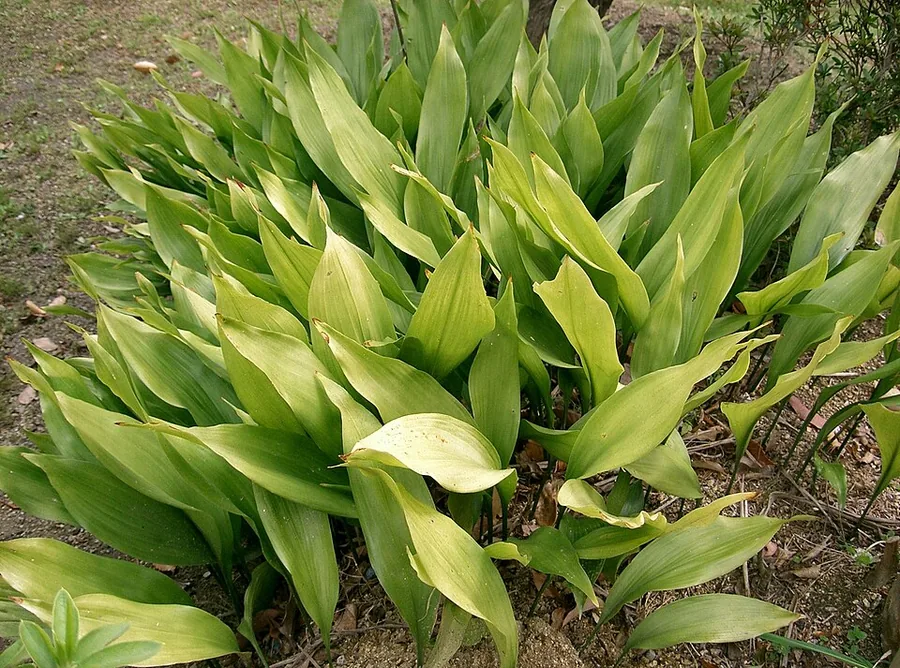
The cast iron plant lives up to its name and then some. It takes low light, dry air, skipped waterings, and a broad temperature swing in stride, which is why Victorian parlors filled up with it and why it still brightens a dim hallway or a forgotten corner today. Picture a slow growing evergreen from the lily-of-the-valley side of the asparagus family, sprung from the woodland floor of southern Japan.
Grow it and you get a clump of upright, leathery dark green leaves rising straight out of the soil, each one long, glossy, and tough enough to brush off most of what flattens fussier houseplants. Skip the wait for a showy bloom, though. Flowers do come, but the small cup-shaped blooms hug soil level and slip right past you, so this one rewards you with its foliage and its staying power.
Best of all in a home full of animals, the cast iron plant comes non-toxic and pet-safe. The ASPCA clears it for cats, dogs, and horses, so set it wherever a curious nose can reach and rest easy.
Care
The short version: hand it low to medium indirect light, well drained soil, and a drink only once the top few inches go dry, then step back and let it do its thing.
Light
Low light is right where this plant comes alive, taking deep shade through to bright indirect light without a fuss. Steer clear of direct sun, the one thing that bleaches and scorches the leaves. A north-facing window or a shady corner suits it down to the ground.
Water
Let the soil dry down 2 to 3 inches (about 5 to 8 cm) before the next drink, then water until it drains freely and never let the pot sit in a saucer of water. Pull back even more in winter while the plant rests. Soggy soil drives more root rot than anything else, so leaning toward the dry side keeps you safe.
Soil
Pot it up in a rich, well drained potting mix with a bit of peat worked through. It copes with sandy, loamy, or clay soils, but it won't forgive ground that stays wet, so drainage carries the day.
Temperature
Everyday room warmth keeps it content, with a comfortable band of 50°F to 68°F (10°C to 20°C). It rides out cooler spells better than most houseplants, just keep it well clear of hard frost.
Humidity
This plant thrives in low humidity and asks for nothing extra, part of why it holds up so well indoors. The dry household air that wears down other plants leaves it unbothered.
Feeding
Feed sparingly with a general houseplant fertilizer roughly once a month from spring to late summer, then call it off for the rest of the year. Variegated forms crave even leaner care, since rich soil drains the color right out of their markings.
Pruning
Pruning barely registers here. Just snip off any damaged, yellowed, or scorched leaves at the base as they crop up to keep the clump looking sharp.
Repotting
Slow growing as it is, it can settle in the same pot for several years and needs bumping up just one size when roots start pushing through the drainage holes. It genuinely likes being a touch snug.
Size & spacing
A mature clump climbs to about 1 to 3 feet (30 to 91 cm) tall and spreads 12 to 24 inches (30 to 61 cm) across, growing slowly enough to hold its shape for years.
Troubleshooting
Harming this plant takes real effort, so trouble stays rare and nearly always circles back to too much sun or too much water. Catch the early hints on the leaves and you can turn things around before they spread. Match what you spot below, then jump in.
Yellowing leaves and a soft, mushy base
Soggy soil opens the door to root rot, which is far and away the quickest path to losing this tough plant. The base goes soft, the roots turn brown and slimy, and the trail leads straight back to water pooling in the saucer. Halt watering and let the mix dry out, then lift the plant, trim away every rotten root, and settle it into fresh well drained mix.
Fix:
- Stop watering and let the soil dry out
- Unpot, cut away rotten roots, and repot in fresh well-drained mix
- Discard standing water from the saucer
Stippled leaves, fine webbing, or sticky bumps
Stippling paired with fine webbing gives away spider mites, which love warm, dry air, while still tan bumps signal scale and white cottony fluff means mealybugs. Wipe the leaves clean, pick off whatever you can spot, and follow up with insecticidal soap or horticultural oil. Park the plant away from the rest of your collection until the last pest is gone.
Fix:
- Wipe leaves and remove visible pests
- Treat with an appropriate insecticidal soap or horticultural oil
- Isolate the plant until the infestation is controlled
Pale, bleached patches or scorched brown leaves
Here comes the one weakness worth watching: sun scorch. Direct rays bleach and burn those leaves fast, and it tends to strike right after you move the plant somewhere brighter. Slide it back into filtered light or shade, then clip the worst leaves off at the base and let fresh growth take over.
Fix:
- Move the plant out of direct sun to a low-light, filtered, or shaded position
- Remove badly scorched leaves at the base
Brown tips and edges on otherwise green leaves
Brown tips almost always flag a buildup of fertilizer salts sitting in the soil, though stretches of bone dry soil can spark the same look. Pause the feeding, flush the pot through with plenty of plain water, and the salts will wash right out. Snip the brown tips for tidiness, then ease back to light, monthly feeding only while the plant grows.
Fix:
- Stop fertilizing and flush the pot with plenty of plain water to leach out salts
- Trim browned tips for appearance
- Resume only light, monthly feeding in the growing season
Variegated leaves fading back to plain green
Those cream and white markings slip away when a variegated plant sits in rich soil or too little light, and the next leaves push out solid green. Lean, nutrient-poor soil keeps the color crisp, so dial the feeding way back. Hand them steady, indirect light instead of burying them in the deepest shade.
Fix:
- Grow variegated cultivars in lean, nutrient-poor soil and avoid heavy feeding
- Provide adequate (but not direct) light rather than very deep shade
Toxicity
Great news for pet owners and parents: the cast iron plant runs non-toxic across the board. The ASPCA clears it for cats, dogs, and horses, and nothing in the leaves poses a threat to other animals or to people. Place it anywhere you like and stop worrying about a stray nibble.
Safe for
People · Cats · Dogs · Horses · Rabbits · Livestock · Birds
Cats None
Good news for cat households: the ASPCA marks the cast iron plant as non-toxic to cats, so a curious nibble does no poisoning. A mouthful of any tough leaf might still ruffle a touchy stomach, yet there is genuinely nothing here to fret over.
Dogs None
Dogs come out fine as well, with the ASPCA rating this plant non-toxic to dogs. Those leathery leaves rarely tempt a chew, and not a single harmful compound waits inside them.
Horses None
Horses get the all-clear from the ASPCA too, carrying no toxicity expected. A grazing horse can pass the foliage by with nothing to fear.
Rabbits None
Rabbits run no poisoning risk from this plant, which packs no known toxins. The thick leaves probably won't catch their attention much anyway.
Livestock None
Grazers like goats, sheep, and cattle stay safe around it. Nothing in the leaves stirs up the stomach or nerve trouble that truly toxic plants bring.
Birds None
Pet birds can share the room freely, since the plant holds no compounds that harm them. Even a pecked leaf does no damage.
People None
Around children the cast iron plant stays safe to keep, with no poisonous parts at all. Nobody grows it to eat, but an accidental taste passes without harm.
Varieties
Most cast iron plants stay plain glossy green, but a few cultivars swap a touch of that toughness for striped or spotted leaves. Here are the ones you stand the best chance of tracking down.
'Variegata'
Leathery dark green leaves run with irregular creamy white stripes, and those stripes stay bright only when you grow it in lean, nutrient-poor soil.
'Milky Way'
Broad, lance-shaped dark green leaves come dusted with small white spots that scatter like flecks of starlight across the foliage.
'Big Spotty'
A bolder spotted form flagged by Clemson, pushing larger markings right across the leaves.
'Goldfeather'
A variegated cultivar logged by UF/IFAS for its patterned foliage.
'Snow Cap'
Another variegated pick recorded by UF/IFAS, valued for its pale markings.
How to propagate
One dependable method makes more cast iron plants, and it asks for nothing beyond a little patience.
DivisionEasy
Spring and early summer, while actively growing · Several weeks to a few months (slow)
Multiply the cast iron plant by dividing the clump in spring or early summer while growth is in full swing. Lift it, work the matted rhizomes apart, and check that every new piece keeps two or more leaves. Then settle in for a wait, because the divisions are slow to take and need anywhere from several weeks to a few months to root in.
Myths
A plant this rugged can stand up to direct sun.
It lives up to the cast iron name by shrugging off shade, neglect, and a broad temperature swing, yet direct sun is exactly where it falters. Harsh light bleaches, browns, and scorches the leaves in a hurry. Keep it in bright indirect light through to deep shade.
You can never kill it, so water it as freely as you please.
Drought and stop-start watering really do roll right off it, and that is where the legend grows from. The danger runs the opposite way. Overwatering and soggy soil cause root rot, and that is the main way the plant actually dies.