Houseplant · Asparagaceae
Madagascar Dragon Tree
Dracaena reflexa var. angustifolia
Hand it bright indirect light and fluoride-free water, and the dragon tree rewards you by thriving with almost no fuss.
Bright indirect
60–70°F · 16–21°C
USDA 10–12
6–20 ft · 1.8–6.1 m
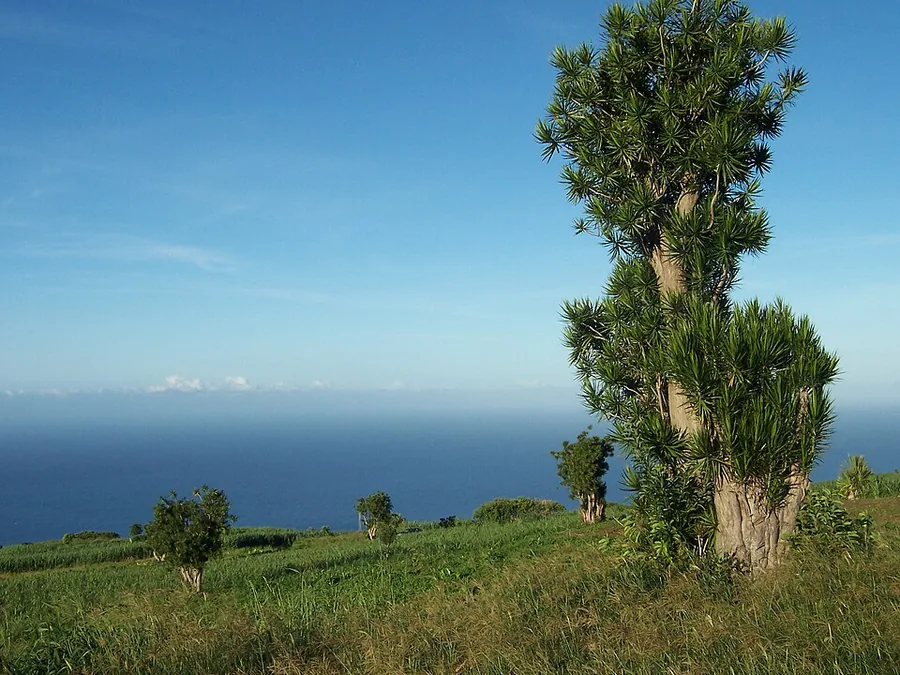
Overview
The Madagascar dragon tree is a joy to grow and ranks among the most forgiving houseplants going. It shoots up slender canes crowned with arching, sword-shaped leaves edged in red, and once it settles in it barely asks for a thing. It hails from Madagascar and the islands around it, and indoors it climbs slowly into a striking, tree-like shape that lifts a bright corner without ever crowding the room.
Half the fun is how it rolls with a busy life. It powers along best in bright indirect light but takes medium light and even a dim spot in stride, and its slow pace means you rarely have to repot or fuss over it. The one thing it refuses to put up with is the fluoride in ordinary tap water, which scorches the leaf tips, so pour distilled water or rainwater and it stays sharp.
Several named forms are out there to track down, from leaves striped in three colors to canes flushed deep red, so you can grab one that suits the room. Whatever you choose, the same easygoing plant waits underneath all that color.
Care
The short version: bright indirect light, distilled water or rainwater once the surface dries, keep it warm at 60°F to 70°F (16°C to 21°C), and feed lightly through spring and summer.
Light
The dragon tree powers along best in bright indirect light, but it is far more flexible than most. It takes medium light, low light, and partial shade in stride, and a brighter spot keeps the leaf color rich and stops the stems from stretching toward the window.
Water
Let the top of the soil dry, then water thoroughly and tip out anything that pools in the saucer. Keep it evenly moist through spring and summer and ease off from fall into late winter. Reach for distilled water or rainwater, since the fluoride in tap water scorches the leaf tips, and pass on cold water.
Soil
Pot it up in a loamy, peaty, well-drained mix packed with organic matter. Aim for a slightly acidic pH of 6.0 to 6.5, which also keeps fluoride from building up at the roots.
Temperature
Keep it warm and steady at 60°F to 70°F (16°C to 21°C), with nights running a touch cooler. It has zero patience for cold drafts, which can send it dropping leaves fast.
Humidity
Average room humidity works fine, and it gets by down to about 30%. A little extra moisture gives it a boost in dry, heated rooms and keeps spider mites from moving in.
Feeding
Feed it monthly through spring and summer with a liquid houseplant fertilizer, then let it rest over the cooler months. Go easy, and dodge anything with superphosphate, since the fluoride it carries burns the leaves.
Pruning
The dragon tree takes pruning beautifully, so cut the canes back whenever it shoots up too tall and they will resprout below the cut. The lowest leaves drop on their own as the canes age, leaving the diamond-shaped scars that give the bare stems their look.
Repotting
This slow grower only wants repotting every 2 to 3 years, or once roots start circling, pushing out the drainage holes, or water runs straight through. Otherwise it cruises along happily in a snug pot.
Size & spacing
Indoors it usually tops out around 6 feet, but turned loose it can rocket to 6 to 20 feet (1.8 to 6 m) tall and spread 3 to 10 feet (91 cm to 3 m) wide, so give a mature plant room for its arching crown.
Troubleshooting
Good news for new growers: dragon tree problems almost always announce themselves in the leaves first, and water or air is usually behind them. Spot the early signs and you can jump in before anything spreads. Find the match below, take the fix, and watch the plant bounce right back.
Squishy stems and a downhill slide
Soggy soil with browning leaves and a soft base points to root rot, which sets in when the roots sit wet too long. Healthy roots feel firm and pale, so brown, mushy ones nail it down. Pull back on water, repot into fresh well-drained mix and cut away the rotted roots, and make sure the pot drains freely with no water left standing in the saucer.
Fix:
- Reduce watering and let the soil surface dry between waterings
- Repot into fresh, well-drained mix and trim rotted roots
- Ensure the pot has drainage holes and empty saucers
A flush of leaves dropping all at once
When a dragon tree dumps a load of leaves in a hurry, the usual cause is shock from a cold draft, a sudden move, or a temperature swing. Soggy soil and a bad pest outbreak can set it off too. Settle it somewhere stable at 60°F to 70°F (16°C to 21°C), away from drafts and heat sources, fix the watering, and scout the leaves for insects, and it will rally.
Fix:
- Move the plant away from drafts and heat/cold sources and keep temperatures 60-70°F
- Correct watering and ensure the pot drains freely
- Inspect for and treat insect infestations
Delicate webs plus a dusty stipple on the foliage
Fine webbing on the leaf undersides and a dusting of pale speckles mean spider mites, which love hot, dry indoor air. Rinse the foliage and crank up the humidity to make the plant a tougher target. Treat with insecticidal soap or horticultural oil, and keep at it until the mites clear out for good.
Fix:
- Rinse foliage and raise humidity
- Treat with insecticidal soap or horticultural oil, repeating as needed
Cotton-like tufts or shell-like bumps plus a tacky sheen
Cottony white clusters tucked into the leaf axils are mealybugs, while hard or soft bumps along the stems are scale, and both leave a sticky honeydew behind. Knock the insects off with a swab of rubbing alcohol, then chase them with insecticidal soap or horticultural oil as often as the outbreak demands. Pull the plant away from your others so the pests cannot spread.
Fix:
- Wipe or dab insects with an alcohol-moistened swab
- Treat with insecticidal soap or horticultural oil, repeating as needed
- Isolate the plant to prevent spread
Crispy browned tips showing up on the leaf margins
This is almost always fluoride damage, because the dragon tree just will not put up with the fluoride in ordinary tap water. Built-up salts from heavy feeding or superphosphate fertilizer pull the same trick. Switch to distilled water or rainwater, hold the pH between 6.0 and 6.5, ease off the feeding, and snip the spoiled tips to sharpen it back up.
Fix:
- Switch to distilled water or rainwater, or let tap water stand 24 hours before use
- Maintain soil pH between 6.0 and 6.5
- Stop using fertilizers containing superphosphate and avoid over-fertilizing
- Trim damaged tips for appearance
Lowest leaves yellowing and dropping off
Relax, this is just normal aging. As each cane shoots taller it lets go of its oldest bottom leaves and leaves behind the diamond-shaped scars that give the dragon tree its character, while the crown up top stays green and going strong. Pull off the spent leaves for a clean look, and cut a leggy cane back when you want it to branch, since it will resprout.
Fix:
- No action needed; remove spent leaves for tidiness
- Cut back leggy canes if a fuller habit is wanted - they will resprout
Blotchy dead patches popping up across the foliage
Distinct spots or dead patches usually trace to a leaf spot disease, though thrips and other chewing insects can leave look-alike marks. Strip off the affected leaves, get the air moving around the plant, and keep water off the foliage so spores get no foothold. If insects turn up, take them out too.
Fix:
- Remove affected leaves
- Improve air circulation and avoid wetting foliage
- Treat insect pests if present
Toxicity
One thing to sort out before this plant joins the collection: it is not safe for pets to chew. Every part carries saponins that upset an animal's stomach when the leaves get nibbled, and cats are the keenest to try. People are essentially safe around it, though no part is meant for eating, so keep it climbing well out of reach of pets and small children.
Toxic to
Cats · Dogs · Horses · Rabbits · Livestock · Birds
Safe for
People
Cats Moderate
Cats are the keenest to nibble the thin leaves, and the saponins hit them the hardest. Watch for vomiting, sometimes streaked with blood, plus drooling, a lost appetite, and a flat, depressed mood, and widened, dilated pupils are a dead giveaway.
Dogs Moderate
A dog that chews the leaves can throw up, occasionally with a little blood, and go dull and off its food, often with heavy drooling alongside.
Horses Moderate
The ASPCA lists the dragon tree as toxic to horses too, where the same saponins bring on stomach upset, drooling, and a sluggish, depressed manner.
Rabbits Caution
The saponins that trouble other animals would upset a rabbit's gut just as fast, so keep the leaves well out of reach and treat any nibbling as a reason to call the vet.
Livestock Caution
The same saponins hit grazers too, so goats and sheep that mouth the foliage can wind up drooling with an upset gut. Keep the plant fenced well away from their range.
Birds Caution
A pet bird that picks at the foliage may wind up with an upset crop and a quiet, off-color spell, so it is safest kept well away from the cage.
People Low
People are essentially safe around the dragon tree, and a stray nibble does little more than leave a faintly bitter taste. Still, no part is meant for eating, so steer young children away from the leaves.
Keep out of reach of pets; cats in particular may chew the thin leaves. Ingestion of any plant material can also cause general GI upset
Helpline numbers

United States
ASPCA Animal Poison Control: (888) 426-4435 (fee applies)

United Kingdom
Animal PoisonLine: 01202 509000 (fee applies)

Australia
Animal Poisons Helpline: 1300 869 738
Varieties
Nearly every dragon tree on the shelf is one of a few named forms, and leaf color is what really sets them apart. Here are the ones worth chasing down.
'Tricolor'
Every blade flies three colors at once, striped in green, cream, and red down its length.
'Colorama'
The showstopper of the bunch, its broad reddish margins flushing the whole plant pink.
'Bicolor'
A simpler two-tone take, its green leaves striped in reddish bands.
'Magenta'
Earns its name from the deep reddish-purple rim around each leaf.
'Tarzan'
The muscle of the group, with thicker canes and a fuller, more upright crown of leaves.
How to propagate
Here is where the dragon tree really pays off: it multiplies with ease, and one tall, leggy plant can launch a whole crew of new ones from the same canes.
Stem cuttingsEasy
Spring or late summer · Several weeks to root
Cuttings are the fastest, easiest way to crank out more dragon trees. Take them in spring or late summer, rooting tip cuttings, sections of bare cane, or basal shoots pulled from the base. Stand them in moist mix and give them several weeks to put down roots.
Air layeringModerate
Spring or summer · Several weeks
Air-layering really earns its keep on a tall, leggy cane you want to shorten without losing the top. Set it up in spring or summer and let it root in place over several weeks before you cut the new plant free.
DivisionModerate
Spring at repotting · Several weeks
Division is a clean, easy win at repotting time in spring. Split the basal shoots and offsets from the parent, pot them up on their own, and they take several weeks to root into plants of their own.
Myths
A dragon tree scrubs pollutants out of the air around it.
Tempting, but it just does not pan out. A review of chamber studies found that potted plants do almost nothing for indoor air at any realistic scale. One plant clears only a sliver, and you would need 10 to 1,000 plants per square meter to match what normal ventilation already pulls off. So grow the dragon tree because you love it, not to scrub the air.
Dropping its lower leaves means the plant is dying.
Far from it, since shedding the bottom leaves is exactly how the canes climb taller. The plant drops its oldest leaves and leaves behind the diamond-shaped scars that mark the bare stem, all while the crown up top stays full and green. A little leaf drop from the base is healthy, not a warning sign.