Vegetable · Brassicaceae
Mustard Greens
Brassica juncea
Drop seed into cool spring or fall soil and mustard greens race to peppery, cuttable leaves in scarcely a month.
Full sun
Every 2–4 days
39–75°F · 4–24°C
30–50 days
Overview
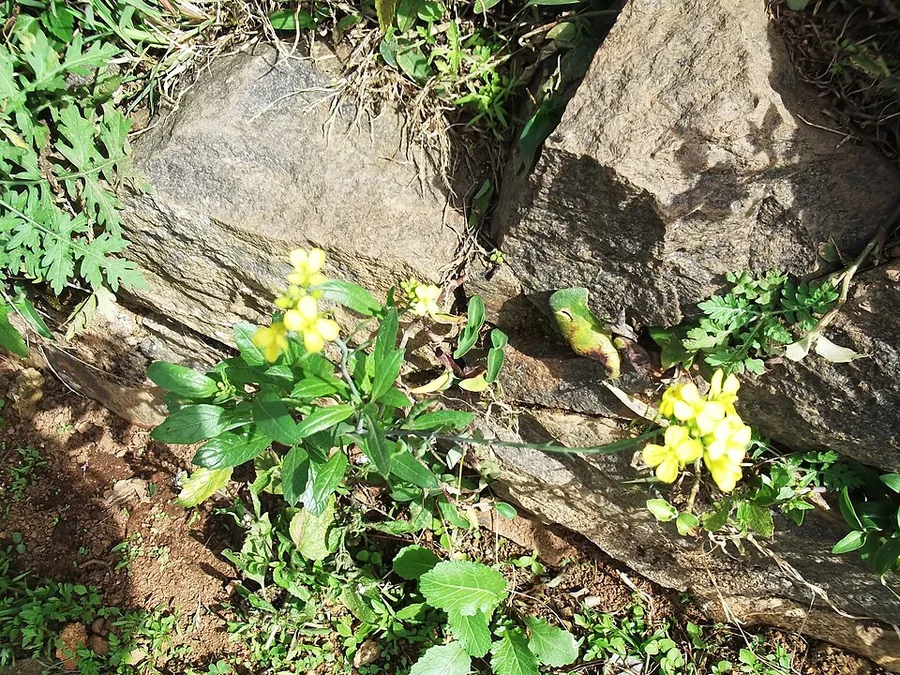
Mustard greens are a fast leafy vegetable in the cabbage family, grown for their peppery, slightly spicy leaves. The plant sprang from Asia and now thrives in temperate gardens across the globe, digging in just as readily in a Southern row as a Northern raised bed. Hand it cool weather and it sprints from seed to plate faster than almost anything else you can drop in the ground.
That speed is the whole thrill. One sowing can hit a first cutting in 30 to 50 days, and pulling the outer leaves young keeps the center firing off fresh growth. Turn a plant loose to size up and it stands about 12 to 18 inches (30 to 45 cm) tall, though plenty of gardeners crowd it close and keep cutting a steady patch of tender baby leaves.
The one thing that stops it cold is heat. Warm weather and long days shove the plant into sending up a flower stalk, and the moment it bolts the leaves turn tough and sharply bitter. Sow it for the cool ends of the year, keep the soil evenly moist, and the flavor stays bright and clean straight through the harvest.
Care
The short version: hand it full sun and cool weather, keep the soil evenly moist so the flavor stays mild, work rich compost into the ground, and cut fast before summer heat turns the leaves bitter.
Light
Mustard greens hit their stride in full sun, yet they take partial shade without a hitch, which pays off as the season warms. A little afternoon shade in late spring buys extra time before the heat shoves the plants into bolting.
Water
Keep the soil evenly moist and water early so the leaves dry before nightfall, which shuts down fungal disease. Never let the plants dry out and rebound, since that moisture stress fires the flavor up unpleasantly sharp and spicy.
Soil
Plant them in rich, well-drained ground packed with organic matter. A pH near 6.0 to 6.8 suits them best, though they handle soil up toward neutral, and that good fertility powers the fast leaf growth you are chasing.
Temperature
This is a cool-season grower, happiest between 39°F and 75°F (4°C to 24°C). It brushes off a light frost, which can even sweeten the leaves, but warmth near the top of that range is what kicks it into bolting.
Humidity
Average humidity, somewhere around 40% to 70%, is all it wants. Airflow counts for more than any exact number, since crowded, damp leaves throw the door open to the fungal problems that watering early keeps out.
Feeding
Work a nitrogen-rich balanced fertilizer into the bed at planting to drive fast leaf growth. A light nitrogen side-dressing partway through keeps the leaves rolling, but hold steady, because too much soft growth pulls aphids straight in.
Pruning
Cut the outer leaves young and often, and the plant fires back tender new growth from the center. Once it starts to bolt, pinch out the flower stalk, though by then the leaves have usually turned strong and bitter.
Repotting
Not applicable; direct-sown as a fast garden crop, not container-grown/repotted.
Size & spacing
Plants shoot up about 12 to 18 inches (30 to 45 cm) tall and roughly as wide. Give full-size plants around 12 inches (30 cm) of room, or sow thicker and harvest the patch as baby leaves.
When to plant
Mustard greens run on cool weather and have no use for heat. Sow the first round in early spring, about three weeks before your last frost, then fire off another sowing in late summer for a fall harvest. Cut the leaves young, and pull the whole crop before summer warmth shoves it into bolting.
Northern hemisphere
Southern hemisphere
Typical months for a temperate climate: start earlier in warm zones, later where spring frosts linger.
- Sow: 3-4 weeks before the last spring frost, or direct-sow
- Plant: Early spring (about 3 weeks before last frost) and again in late summer for a fall crop; a cool-season vegetable.
- Harvest: Cut leaves young at about 4-6 weeks; harvest the whole plant before summer heat causes it to bolt.
Hardiness
USDA hardiness zones: 2–11
Temperature: down to -46°C
Troubleshooting
Most mustard-green trouble lands right on the leaves, and a quick daily scan catches it early. Match what you spot below to the cause, then jump in while the planting is still well worth saving.
Seedlings keeling over on hollowed-out, rotten roots
Seedlings toppling over with no clue up top usually trace back to cabbage maggots, white larvae boring through the roots down in the soil. Pull and destroy anything already hit to stop the spread cold. Row covers laid at sowing block the egg-laying flies, and skipping fresh manure strips away the very thing that lures them in.
Fix:
- Remove and destroy infested plants
- Protect remaining plants with row covers
Countless tiny holes punched through seedling leaves
A shower of pinprick holes across the leaves means flea beetles have found the patch, and these small dark insects hop clear the instant you reach in. Young seedlings take the hardest hit, so watch them closely. Lay a floating row cover over the bed at sowing to lock the beetles out, and drive fast, steady growth, because a strong plant simply powers past the light feeding.
Fix:
- Cover seedlings with floating row cover
- Apply kaolin clay or labeled insecticide if damage is heavy
- Maintain vigorous growth so plants outgrow light feeding
Ragged holes chewed through the leaves
Big ragged holes and dark droppings blow the cover of cabbageworms and cabbage loopers, green caterpillars that melt right into the foliage. Hunt down and pick off every one you spot, then reach for Bt when they surge. Netting seals the real win, shutting out the parent moths before they ever lay an egg.
Fix:
- Handpick caterpillars
- Apply Bacillus thuringiensis (Bt)
- Use row covers to exclude egg-laying moths
Sudden central stalk with leaves turning tough and sharp
A stalk rocketing up from the center with the flavor going harsh is bolting in action, sparked by warm weather and lengthening days. Nothing turns it back, so race the leaves off the plant before they sour. Plant into cool spring or fall, throw shade over the bed as the heat climbs, and grab bolt-resistant types to stretch the harvest.
Fix:
- Harvest promptly before flavor degrades; bolting cannot be reversed
Crinkled leaves, tacky residue, and insects packed underneath
Crinkled tips and a sticky film flag aphids massing on the undersides. Knock them off with a hard jet of water, hit the stragglers with insecticidal soap, and turn the lady beetles loose to finish the work. Dial back the nitrogen while you are at it, since the soft, lush growth it fuels is exactly what pulls them in.
Fix:
- Dislodge with a strong spray of water
- Apply insecticidal soap
- Encourage lady beetles and other natural predators
Toxicity
Mustard greens are a food crop and safe to keep all over the house. No part of the plant poisons cats, dogs, or other pets, and the leaves themselves are great to eat. The only real flag is livestock grazed heavily on the foliage, where the goitrogens common to all brassicas can stack up over time.
Safe for
People · Cats · Dogs · Horses · Rabbits · Livestock · Birds
Cats None
Cats are in the clear, since the ASPCA keeps mustard greens off its list of plants toxic to them, and a stray nibble does nothing at all.
Dogs None
A dog can crop a leaf and walk away fine, though a big pile of any leafy green may leave the stomach grumbling for a bit.
Horses Safe
Horses graze it in normal amounts with zero trouble, since the plant packs no toxic compounds to fret over.
Rabbits Safe
Rabbits tuck into the leaves happily in moderation, so work them in a little at a time beside hay and other greens rather than in one big serving.
Livestock Mild
It makes solid, safe forage, but here is the catch: piling on heavy day-after-day grazing of the brassica foliage lets goitrogens stack up and press on the thyroid. Keep it one piece of a varied diet.
Birds Safe
Birds are all set, and backyard hens dive right into the leaves, taking the greens as a healthy treat.
People Safe
People get the best deal of all, since the peppery leaves cook up or go raw with no part of the plant off the table.
Like other brassicas the foliage contains glucosinolates/goitrogens; this is mainly a dietary concern for livestock grazed heavily on it, not a household-pet poisoning hazard.
Varieties
Mustard greens roll out in smooth, curled, and red-tinged forms, and a few names keep showing up. These are the ones worth knowing.
Florida Broadleaf
A fast Southern favorite that pushes up large, smooth, broad green leaves ready for cutting while they are still young.
Southern Giant Curled
Its frilled, heavily curled bright green leaves shrug off a frost better than the flat-leaved kinds manage.
Giant Red
Grown for both looks and bite, it flashes purple red tinged leaves loaded with a strong peppery kick.
Tendergreen
A mild, quick smooth-leaf type that gardeners run as a spinach-mustard when they want gentler eating.
How to propagate
Mustard greens grow straight from seed, and few crops leap out of the ground faster or more reliably.
SeedEasy
Direct-sow in early spring and again in late summer for a fall crop · Germinates in about 5-10 days and seedlings establish within roughly 2 weeks
Few seeds reward a gardener this fast. Scatter them shallow into cool, moist soil in early spring, hit it again in late summer for a fall crop, and they burst up in 5 to 10 days with seedlings settled in about two weeks. Thin them to roughly 12 inches (30 cm) apart to size up full plants, or pack them tight and cut a lively come-again patch.
Myths
Mustard greens will sicken any dog or cat that eats them.
Not a chance. Brassica juncea is a plain edible vegetable, and the ASPCA does not list it as toxic to cats or dogs. That goitrogen worry lands on livestock grazed heavily on the foliage, never a pet that grabs a leaf. For a household with pets, mustard greens are safe.
Mustard greens thrive most in the hottest part of summer.
Flip that around, because this is a cool-season crop that fires on all cylinders in spring and fall. Summer heat only drives it to bolt, and the leaves go harsh and bitter the moment it does. Sow it for the cool ends of the year and watch it thrive.