Ornamental · Scrophulariaceae
Nemesia
Nemesia strumosa
Give it cool weather, steady moisture, and full sun, and nemesia floods a spring bed with color.
Full sun
Every 2–4 days
39–75°F · 4–24°C
USDA 2–11
Overview
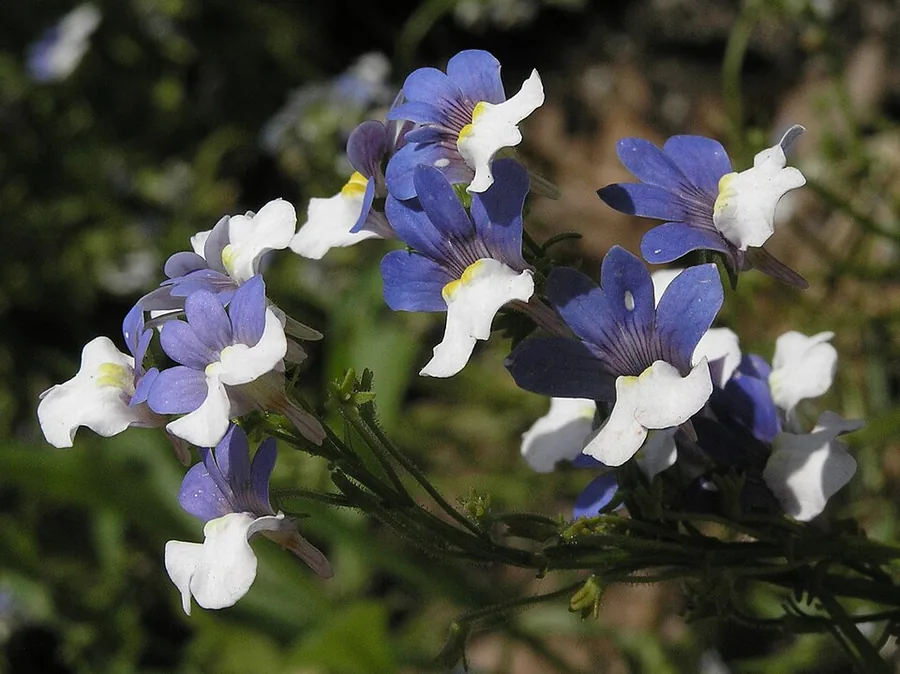
Nemesia bursts out as a low, fast-growing flower from southern Africa, where its bright, two-lipped blooms won it the name Cape jewels. This figwort-family gem stays small at just 6 to 12 inches tall, which makes it a knockout at the front of a bed, in a window box, or spilling over a container. Best of all, the flowers show up in nearly every color and keep pumping them out as long as the weather stays mild.
The one fact that runs the whole show is this: nemesia grows as a cool-season annual. Set it out around the last frost and it flowers from spring into early summer, then backs off once the heat lands. Mild-summer gardens get to keep it going, while hot-summer growers get the best out of it as a spring or fall plant.
Get it settled in the right spot and nemesia gives back way more than it takes. Hand it full sun, rich soil, and even moisture, pinch it young so it bushes out, snip the spent flowers, and it rewards you with a long, generous run of bloom.
Care
The short version: full sun and cool weather, evenly moist but well-drained soil rich in organic matter, a balanced feed through the growing season, and a pinch when young to keep it bushy.
Light
Nemesia flowers hardest in full sun, though a little afternoon shade is a welcome break where summers run hot. Pile on too much shade and the bloom thins out while the plant stretches leggy, so chase the brightest spot you have got.
Water
Keep the soil evenly moist but never soggy, watering every 2 to 4 days and stepping it up in heat. Water at the base and keep the leaves dry, because wet foliage rolls out the welcome mat for powdery mildew.
Soil
Plant it in humusy, well-drained soil that runs loamy or sandy and rich in organic matter. Nemesia stays easygoing about pH and takes anything from 6.0 to 8.0, but it flat-out refuses wet feet.
Temperature
This cool-weather plant hits its stride between 39°F and 75°F (4°C to 24°C). It shrugs off light cold like a champ, but it flags fast once the days turn hot and the nights stay warm.
Humidity
Ordinary outdoor humidity suits it just fine, so skip chasing a number. What really counts is air movement, since still, damp air around crowded plants is what unleashes mildew.
Feeding
Feed a balanced fertilizer monthly through the growing season to keep the flowers cranking. If the leaves yellow or take on a purple cast, that is your cue to feed.
Pruning
Pinch the growing tips once or twice while young so the plant fills out instead of stretching, and deadhead spent flowers to keep new ones firing. When bloom slows or heat sets in, cut the plant back by a third to a half to spark a fresh surge of growth.
Size & spacing
Nemesia stays compact at 6 to 12 inches (15 to 30 cm) tall and about as wide. Give each plant 6 to 12 inches (15 to 30 cm) of room so air rushes through freely and mildew keeps its distance.
When to plant
Nemesia thrives on cool weather and bows out once summer turns hot, so nail the timing and it flies. Start the seed indoors in late winter, set the plants out around your last frost, and reap the flowers from spring into early summer before the heat shuts them down.
Northern hemisphere
Southern hemisphere
Typical months for a temperate climate: start earlier in warm zones, later where spring frosts linger.
- Sow: Start seeds indoors 8 to 10 weeks before the last frost date.
- Plant: Set out seedlings or starter plants around the last frost date as a cool-season annual.
- Harvest: Blooms spring into early summer; in hot climates best in spring or fall, with summer heat causing dieback.
Hardiness
USDA hardiness zones: 2–11
Temperature: down to -46°C
Troubleshooting
Most nemesia trouble traces to one thing: heat, or water that has slipped out of balance. Keep tabs on the whole plant in summer and on the leaves the rest of the year. Match what you see below and jump on it while it still helps.
Plants toppling with soft, rotted roots
Soggy ground that never drains is the fast track to root rot, and the roots go brown and mushy. Badly rotted plants are done, so pull the healthy ones and drop them into soil packed with compost to get them thriving again. Then water only when the plant asks for it and let the ground breathe between drinks, and the problem stays gone.
Fix:
- Improve drainage with organic matter
- Avoid overwatering
- Replant healthy plants in well-drained soil
Wilting and a bloom stall once summer heats up
Nemesia is a cool-season plant through and through, so hot, humid days and warm nights push it into a slump. Slide it into afternoon shade, keep that soil evenly moist, and cut it back by a third to a half to fire up fresh growth. Hang on through the heat, because it often springs right back once cooler weather returns.
Fix:
- Provide afternoon part shade
- Cut plants back by one-third to one-half to encourage new growth
- Keep soil evenly moist during heat
A dusty white film spreading over the leaves
Those chalky white patches are powdery mildew, and it jumps in when foliage stays wet and the air goes still. Beat it back by watering at the soil line to keep leaves dry, and open up the spacing so air can rush through. A quick spray of neem oil knocks out a stubborn patch and gets the plant looking sharp again.
Fix:
- Water at the soil line and keep foliage dry
- Improve spacing and air circulation
- Apply neem oil if needed
Twisted new growth that turns sticky or speckled
Curled tips, sticky honeydew, or silvery stippling flag aphids or thrips going after the tender new growth. Blast a light crowd off with a jet of water, and hit a heavier one with insecticidal soap or neem oil to shut it down fast. Scout the plants every few days and you will pounce on these pests before they gain a foothold.
Fix:
- Spray with insecticidal soap
- Apply neem oil
- Rinse off light infestations with water
Toxicity
Good news for pet owners and parents: nemesia is non-toxic to people and animals alike. The ASPCA does not list it among toxic plants, so you can grow it in a bed your cat, dog, or rabbit can reach without a shred of worry.
Safe for
People · Cats · Dogs · Horses · Rabbits · Livestock · Birds
Cats None
Grow nemesia with a cat around and stay relaxed, because the plant is safe and a curious nibble will not poison one. Down a big mouthful of any plant, though, and a cat might land a passing upset stomach.
Dogs None
A dog can bound through a bed of nemesia with zero worry, since none of the plant is toxic to them. Chew a stem and the worst that usually turns up is a bit of drool or mild tummy trouble from the roughage.
Horses Safe
Nemesia carries no known toxins for horses, so it is perfectly fine growing where they graze.
Rabbits Safe
Rabbits can browse nemesia freely, because the plant holds nothing that would harm them.
Livestock Safe
Cattle, goats, and sheep run no risk from nemesia growing in or near their pasture.
Birds Safe
The plant is no threat to birds, whether they peck at the seed or the foliage.
People Safe
Nemesia earns its spot for the flowers, not the table, but it is not poisonous, so a curious child who tastes a bloom comes to no harm.
Varieties
Nemesia comes in loads of named strains, sorted mostly by height and color. A few show up again and again and are well worth knowing.
Blue Gem
A compact powerhouse of just 6 to 9 inches that fires off clear, true-blue flowers.
Carnival
A bushier grower at 9 to 12 inches that erupts in a bright mix of colors.
Triumph
A dwarf strain sold as a mixed-color blend that packs punch into tight spaces and edging.
How to propagate
Nemesia is a blast to multiply, whether you sow a packet of seed in late winter or root a few cuttings off a plant you already grow.
SeedEasy
Start indoors 8 to 10 weeks before last frost, or sow outdoors in spring. · Germinates in roughly 1 to 2 weeks; flowering within a couple of months.
Seed is the easiest way to launch a batch of nemesia. Fire it up indoors 8 to 10 weeks before your last frost or scatter it outside in spring, and because the seed craves darkness to sprout, cover it lightly and keep it moist. Sprouts break through in 1 to 2 weeks, and flowers follow within a couple of months.
Stem cuttingsModerate
Take soft-stem cuttings in summer. · Roots form in about 4 to 6 weeks.
Fallen for a particular plant? Clone it from cuttings, which rewards a little patience. Snip 4 inch soft-stem cuttings in summer, dip them in rooting hormone, and keep them moist while roots dig in over the next 4 to 6 weeks.
Myths
Nemesia is a true perennial that comes back on its own every year.
It is a tender perennial out of southern Africa, but almost no garden gets to grow it that way. It rarely powers through a hot summer or a cold winter, so most growers replant it fresh each season and run it as a cool-season annual.
Nemesia loves summer heat like most bedding annuals.
It is a cool-weather grower at heart and quickly loses steam in hot, humid days and warm nights. Summer heat often knocks it back, so cut it down and hand it afternoon shade to power through the worst of it.