Herb · Rosaceae
Salad Burnet
Sanguisorba minor
Drop it into a hot, sunny, lean-soil spot and salad burnet keeps pumping out crisp, cucumber-flavored leaves all season.
Full sun
Every 5–10 days
50–77°F · 10–25°C
60–100 days
Overview
Here is a little herb that punches above its weight. Salad burnet is a hardy perennial from the rose family, and gardeners grow it for the bright cucumber flavor packed into its young leaves. It builds a low evergreen rosette of dainty toothed leaflets that holds its green for much of the year and powers through mild winters, then feeds straight into salads, vinegars, and cold summer drinks.
Best of all, it thrives on tough love. Salad burnet powers through dry, rocky, alkaline ground that sends other herbs into a sulk, and once it roots in it barely needs a drink. Keep the soil lean and it pays you back with sharper flavor, so there is no reason to baby it.
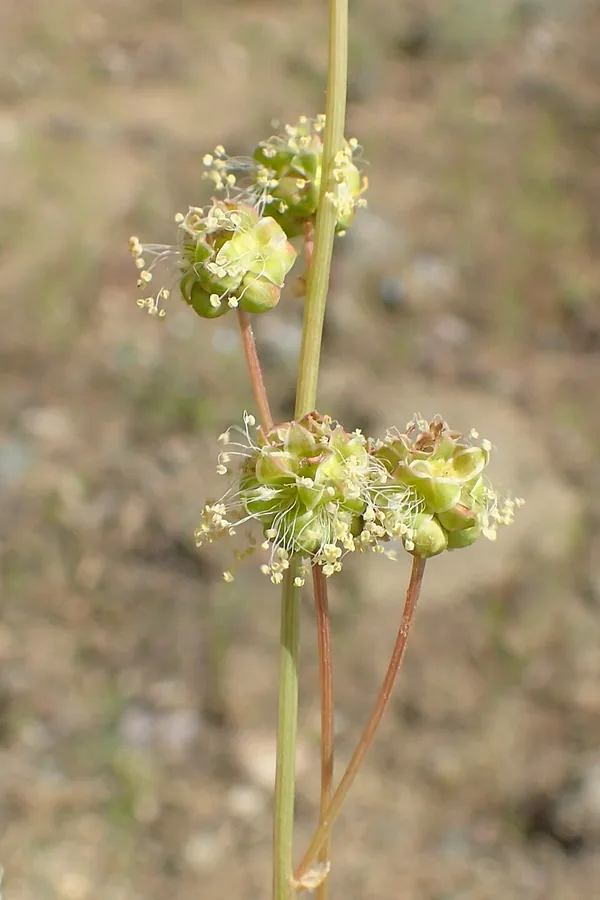
The one move that keeps it cranking is staying on top of the flowers. Let the pinkish flower heads shoot up and the older leaves toughen and fade, but snip those stalks and the plant charges right back into fresh, tender growth. Keep at it and you harvest tender leaves clear through the season.
Care
The short version: full sun and lean, well-drained soil, with water only while it roots in. Ease off the feeding, snip the flower stalks the moment they rise, and keep harvesting the young leaves to drive out tender, mild new growth.
Light
Aim it at full sun to get the best out of it, though partial sun or light shade will do in a pinch. Sun packs the rosette tight and loads the leaves with flavor, while heavy shade leaves it floppy, stretched, and a magnet for mildew.
Water
Keep young plants well watered so they dig in fast, then back right off, because a settled salad burnet is a real drought champ. Let the upper half of the mix dry out before the next drink, and steer well clear of soggy ground, which it flat out hates.
Soil
Give it lean, well-drained soil and watch it take off. It powers through the dry, rocky, alkaline ground that stumps fussier herbs, and it happily runs on a pH from 6.0 to 7.8. Skip the rich, heavy stuff, which softens the flavor and traps water it does not want.
Temperature
It hits its stride in mild weather, roughly 50°F to 77°F (10°C to 25°C). As a tough perennial it powers through winter cold with no help at all and often stays green through the milder stretches.
Humidity
Everyday humidity of 40% to 60% is all it needs, and outdoors you can forget about it entirely. Airflow is what really counts, since still, damp air hands powdery mildew an easy opening.
Feeding
Keep the feeding light and it rewards you. One quick balanced or low-nitrogen feed in spring is all it takes, and even that is optional, because rich soil flattens the flavor. Pile on the food and you get soft, bland leaves instead of that punchy cucumber kick.
Pruning
Snip the flower stalks the second they rise to keep the leaves tender and the flavor bright. Cut back the tough old outer leaves too, and the plant fires out a fresh flush of growth.
Repotting
Growing it in a pot? Bump it up every 1 to 2 years. Roots spiraling the pot, leaf growth losing steam, and soil that dries in a flash all shout that it is ready for a bigger home and fresh mix.
Size & spacing
It stays compact, topping out around 12 to 24 inches (30 to 60 cm) tall and 12 to 18 inches (30 to 45 cm) wide. Give each plant that much room so air rips freely through the rosette.
When to plant
Get going early with this one. Salad burnet powers through zones 4 through 8, so kick things off indoors 6 to 8 weeks before the last frost, or scatter seed straight outside in early spring. From there the harvest rolls on, young leaves from spring right into fall.
Northern hemisphere
Southern hemisphere
Typical months for a temperate climate: start earlier in warm zones, later where spring frosts linger.
- Sow: 6 to 8 weeks before last spring frost
- Plant: After last spring frost, or direct sow in early spring
- Harvest: Harvest young leaves spring through fall; pinkish flower heads appear late spring to midsummer (May to July)
Hardiness
USDA hardiness zones: 4–8
Temperature: down to -34°C
Troubleshooting
Salad burnet is a champ that rarely stumbles, and when it does the trouble almost always comes down to soggy roots or stagnant air. Scan the leaves and roots, match the symptom below, and jump on it fast to get the plant charging again.
Yellowing, wilting, and a full collapse in soggy ground
Wet feet trigger root rot, and salad burnet has no time for waterlogged soil. The roots go soft, dark, and mushy, and once they turn there is no comeback, so move fast. Cut the watering, boost the drainage, and rush any survivors into a raised bed or a gritty, quick-draining mix.
Fix:
- Improve drainage
- Reduce watering
- Replant in well-drained or raised beds
A dusty white film racing across the leaves
Say hello to powdery mildew, a fungus that pounces on still air and crowded plants sitting in humid shade. Open the planting up so air can rip through, pull the worst leaves, and shift the plant into full sun, where the fungus quickly loses steam.
Fix:
- Improve spacing and air flow
- Remove affected foliage
- Site plant in full sun
Leaves turn tough and bitter and the cucumber flavor drops off
That is classic bolting. Once the plant fires up flower stalks, the older leaves bulk up into big, leathery blades and dump the mild cucumber flavor you are chasing. Cut those flower stems the moment they form, grab only the young inner leaves, and shear the plant hard to kick off a rush of tender new growth.
Fix:
- Cut off developing flower stalks
- Harvest only young inner leaves
- Cut the plant back to force a flush of tender new growth
Toxicity
Grow this one with total peace of mind. Salad burnet is a fully edible herb with zero toxic parts, the very leaves people crunch raw in salads, and it is completely safe around cats, dogs, horses, rabbits, livestock, and birds.
Safe for
People · Cats · Dogs · Horses · Rabbits · Livestock · Birds
Cats None
Cats are totally in the clear, and a curious nibble of the soft leaves does nothing at all.
Dogs None
Dogs are just as safe, and a big mouthful of leaves goes down with zero fuss.
Horses Safe
Horses can graze away to their heart's content, since nothing in the plant is poisonous to them.
Rabbits Safe
Rabbits get a harmless treat in the tender leaves, offered in small amounts.
Livestock Safe
Cattle, goats, and sheep chow down on it safely, and the bigger fodder type was once raised as feed.
Birds Safe
Backyard poultry and wild birds peck the leaves and seeds with no risk whatsoever.
People Safe
And people get the sweetest deal, crunching the young leaves fresh for a bright cucumber hit.
Leaves and young growth are commonly eaten by people in salads; no special handling precautions are required.
Varieties
You will not find a huge cast of named types here, but two forms are well worth spotting before you sow.
Sanguisorba minor subsp. muricata
This is fodder burnet, the bigger, tougher form that farmers once ran as a forage plant and cover crop.
Sanguisorba minor (species type)
The straight species pops up as a compact evergreen rosette of fine toothed leaflets, and it is the one packed with that mild cucumber flavor for salads.
Companions
Salad burnet sits happily beside herbs that share its taste for sun and lean soil, and does worst next to vigorous spreaders that swamp its low rosette.
How to propagate
Multiplying salad burnet is a breeze and genuinely fun, whether you fire up a fresh packet of seed or split a clump that is already going strong.
SeedEasy
Early spring, indoors 6 to 8 weeks before last frost or direct sown · Germinates in about 1 to 2 weeks; harvestable within 8 to 10 weeks
Seed is the go-to route, and it could not be easier. Fire the seeds indoors 6 to 8 weeks before the last frost, or sow them straight outdoors in early spring, and seedlings pop up in about 1 to 2 weeks. You are harvesting leaves within 8 to 10 weeks, and leave a few flower heads to ripen and the plant reseeds itself all over the bed.
DivisionEasy
Spring or early fall · A few weeks to re-root and resume growth
Got a mature clump? Split it in spring or early fall without a second thought. Yank the whole plant up, break it into chunks that each hang onto some roots, and slam the divisions back in fast so they re-root and take off again in just a few weeks.
Myths
Salad burnet is just the medicinal great burnet wearing a different label.
Not a chance, they are two separate species. Salad burnet (Sanguisorba minor) is the compact culinary star, while great burnet (Sanguisorba officinalis) shoots up taller with deep red flower heads and its own run in herbal medicine. Double-check the botanical name when you buy, because the two are dead easy to swap.
Old, mature leaves taste every bit as good as the young ones.
No way. The mild cucumber punch lives in the youngest growth, and older leaves toughen and turn bitter as they go. Keep cutting the fresh young leaves and the flavor stays bright and mild.