Ornamental · Crassulaceae
Sedum
Sedum
Hand this stonecrop some sun and gritty soil, and it takes off with hardly any coaxing.
Full sun
50–77°F · 10–25°C
USDA 3–9
4–24 in · 10–60 cm
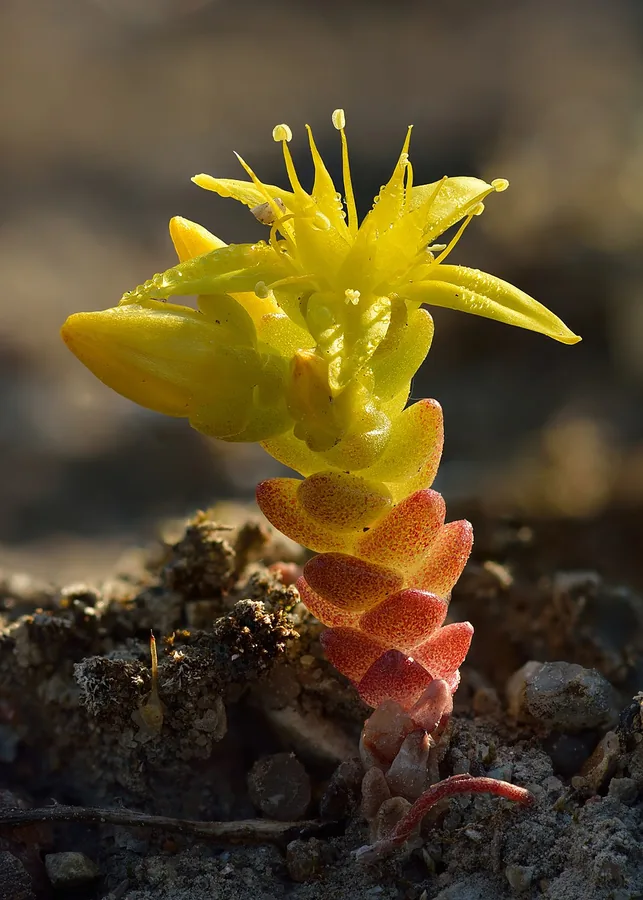
Overview
Sedum, the plant most gardeners call stonecrop, is a powerhouse of a succulent that thrives on almost nothing. It sits in the Crassulaceae family and banks its own water in thick leaves and stems, so it powers through dry spells that would flatten a fussier plant. Hardy right across zones 3 to 9, this genus grows just about anywhere, from a sunny sill to a wide open rooftop.
Half the thrill of sedum is how many forms it takes. Some shoot up into crisp clumps and throw out flower heads late in summer. Others race across the ground in low mats, rooting as they travel, which is why they colonize rock gardens and leap into the cracks between paving. Heights sweep from 4 to 24 inches (10 to 60 cm), so there is one to suit any spot.
One thing gets sedum every time, and it is easy to dodge: wet feet. Plant it in gritty, fast-draining soil under strong sun and it practically grows itself. Pack it into heavy, soggy ground, though, and the stems collapse into mush, the single biggest reason these plants fail. Sort the drainage and this succulent just keeps powering along.
Care
The short version: hand sedum full sun and gritty, sharp-draining soil, and water it only once the mix dries out completely. Toss it a light feed in the growing season, pinch off any stems that stretch, and never let water pool at its base.
Light
Sedum comes alive in full sun, a few hours a day at least, which locks in tight growth and bold color. It will get by in partial sun or a bright indirect corner indoors, but skimp on light and the stems stretch and flop fast.
Water
Soak it well, then hold off until the soil has dried out completely before the next round. Those thick leaves bank a reserve, so the plant laughs off a skipped watering while a soggy pot spells trouble. Standing water fast-tracks stem and root rot, so err dry.
Soil
Set sedum in a gritty, well-drained mix that dumps water straight through. A pH of 6.0 to 7.0 keeps it happy, but drainage beats the exact number hands down. Steer well clear of heavy, water-hoarding soil.
Temperature
Sedum cruises through 50°F to 77°F (10°C to 25°C) without a second thought. The hardy types brave winter outdoors in zones 3 through 9, and indoor plants thrive at plain old room temperature.
Humidity
Dry air? Sedum shrugs it off, which makes it a champ in heated rooms. Forget chasing any humidity target here. Damp, stuffy air is the real enemy, so keep the air moving.
Feeding
Feed it light from spring through summer while growth is charging along, about once a month, with a balanced water-soluble fertilizer at half strength. Go heavy and you force soft growth that rots and pulls in pests, so keep a light touch.
Pruning
Once the blooms fade, clip the spent stalks and freshen the plant up. Pinch back any leggy stems to hold it compact, and strip away soft, rotted growth the instant it appears. Quick work, big payoff.
Repotting
Bump sedum into a bigger pot every 2 to 3 years, or sooner once roots jam the container and the soil drains almost the moment you water. Growth grinding to a halt is the other clear cue it wants more room.
Size & spacing
By type, plants shoot up 4 to 24 inches (10 to 60 cm) tall and fan out to about 12 to 24 inches (30 to 60 cm) wide. Turn the creepers loose to fill their patch, and hand the clumpers enough room for air to sweep through.
When to plant
No seed-starting countdown here, which is part of the fun. Sedum is a hardy perennial that bounces back on its own every year. Plant or divide it in spring as new growth fires up, and the flower heads burst out from summer into fall, timed to whichever species is putting on the show.
Northern hemisphere
Southern hemisphere
Typical months for a temperate climate: start earlier in warm zones, later where spring frosts linger.
- Harvest: Summer to fall depending on species
Hardiness
USDA hardiness zones: 3–9
Temperature: down to -40°C
Troubleshooting
Most sedum hiccups trace straight back to water or light, and the stems flag them first. Spot the early tells, jump on the cause, and the plant powers right back. Track down the symptom below and get to work.
Mushy, blackening stems and a plant folding in
Soft, blackening stems that fold over are rot at work, kicked off almost always by overwatering or a pot that stays soggy. Move fast: slice back to firm, living tissue, let the pieces callus, then plant them again in dry, gritty mix and keep the water off. Switch to a pot that drains and a mix that dries out fully, and rot loses its grip for good.
Fix:
- Cut away all soft, rotted tissue back to firm healthy growth
- Allow healthy cuttings to callus and re-root in dry, gritty mix
- Withhold water until new roots form
Cottony white knots wedged in the leaf joints
Those cottony white knots trailing sticky residue are mealybugs, freeloaders that drain a plant's punch. Hit each one with a cotton bud dipped in 70 percent isopropyl alcohol, then swing back every few days until the last is gone. Set the plant off on its own, well clear of the rest of your collection, so the bugs cannot jump ship.
Fix:
- Dab insects with a cotton swab dipped in 70 percent isopropyl alcohol
- Repeat treatment every few days until clear
- Isolate the plant from other succulents
Long, pale stems shooting toward the window
Stems shooting out long and pale toward the light are deep in etiolation, a sedum straining for more sun. As it stretches, the leaves splay apart and the color washes out, yet the fix is quick and satisfying. Shift it to a spot that catches direct sun for several hours, then pinch those stretched tips to spark tight new growth. Better still, every trimming roots on its own, so you gain free plants.
Fix:
- Move the plant to a brighter location with several hours of direct sun
- Pinch or cut back stretched stems to encourage compact regrowth
- Use the trimmed tips as cuttings
Toxicity
Great news for pet households: sedum is completely safe. It packs no toxins that would harm cats, dogs, horses, or other animals, and the ASPCA tags the ever-popular burro's tail as non-toxic. A bold nibble might spark a little stomach upset, no different from any non-food plant, but there is nothing here to hold you back.
Safe for
People · Cats · Dogs · Horses · Rabbits · Livestock · Birds
Cats None
A total win for cat owners. If a cat grabs a bite, the worst it stirs up is a touch of drool or a quick, passing stomach upset, just like any plant that isn't dinner.
Dogs None
Dogs are in the clear too. A stolen mouthful might stir a short bout of tummy upset at most, and that barely ever happens.
Horses None
Horses are safe right alongside it. Stonecrop holds nothing that could harm a grazing horse.
Rabbits None
Rabbits have nothing to fear here. Those plump leaves carry zero toxins, though sedum earns its spot as a houseplant, not a rabbit's regular snack.
Livestock None
Livestock stay safe around it. Cattle, sheep, and goats can share the ground with a planting, since stonecrops never make the poisonous-pasture lists.
Birds None
Birds are safe too, caged or wild, since sedum offers up nothing toxic.
People None
Safe in your hands, and a handful of stonecrops even land on the plate in small amounts. Still, this one shines as an ornamental, not a crop.
Varieties
Sedum runs to hundreds of species, from bolt-upright clumps to ground-skimming mats. These three show up the most and open a great window on the whole crew.
Sedum spectabile / 'Autumn Joy'
The upright border standout, its fleshy stems hoisting broad pink flower heads that ripen to a rich rust in fall.
Sedum acre
Goldmoss stonecrop, a low creeper packed with tiny yellow-green leaves and crowned by a burst of yellow flowers.
Sedum spurium
A fast-spreading mat-former with rounded, scalloped leaves that storms rock gardens and green roofs with ease.
How to propagate
Almost nothing multiplies as eagerly as sedum. A single dropped leaf often roots itself right where it falls, so one plant snowballs into a whole trayful in no time.
Stem cuttingsEasy
Spring through summer during active growth · 2 to 3 weeks to root
Grab stem cuttings anytime through the spring and summer growth surge. Give the cut ends a day or so to dry and callus, then sink them into gritty mix kept barely damp. Roots break out in roughly 2 to 3 weeks.
Leaf cuttingsEasy
Spring through summer · 3 to 6 weeks to form plantlets
Right through spring and summer, a lone leaf can spin up into a whole new plant. Drop it onto dry, gritty mix and stand back, and little rooted rosettes push up at the base in about 3 to 6 weeks.
DivisionEasy
Early spring · 2 to 4 weeks to settle
Divide the clumping border kinds in early spring for instant new plants. Dig up the clump, wrench the rooted pieces apart, and set each back at its old depth, where it grabs hold over 2 to 4 weeks.
Myths
Sedum thrives on total neglect and never wants watering.
Sedum takes drought in stride, no question, but while it is growing it still craves a deep soak every so often. Flip the myth on its head. What actually kills these plants is overwatering, not the occasional drink.