Herb · Lamiaceae
Spearmint
Mentha spicata
Keep it moist and give it room of its own, and spearmint pumps out fresh leaves right through the season.
Full sun
Every 2–4 days
59–77°F · 15–25°C
80–90 days
Overview
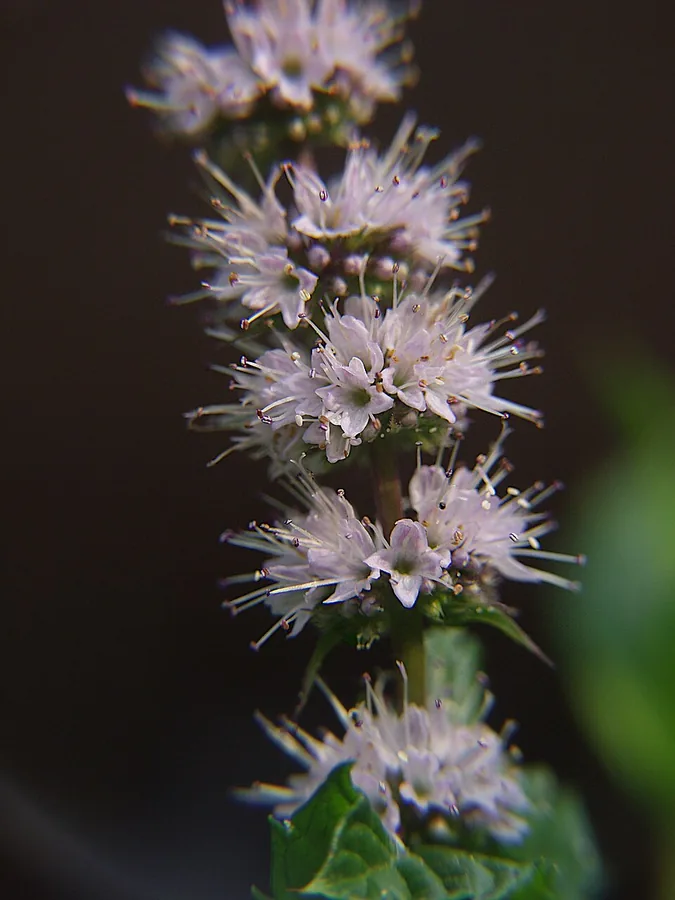
Spearmint is the classic garden mint that turns up in sauces, cool teas, and a fresh sprig dropped into a summer glass. It sits in the mint family and grows as a hardy perennial, retreating in winter and bursting back every spring with bright, toothed leaves and a sharp, sweet scent. Hardly any herb rewards a grower this fast, and that speed is exactly what makes it such fun.
Spearmint moves. It sends out underground runners that race sideways and root as they travel, so one small start can fill a bed in no time. Channel that energy and it works for you, which is why most growers plant it in a sunken pot, a bed of its own, or behind a deep root barrier. Set that one boundary and it takes off with almost no other help.
Keep the scissors busy and spearmint just gets better. Pinch the tips again and again and it turns into a low, bushy plant packed with tender leaves, while letting it flower sends the stems shooting up as the flavor slips away. Harvest early, harvest often, and it keeps handing you leaves right up to the first hard frost.
Care
The short version: give it full sun or a touch of shade, keep the soil evenly moist and never bone dry, and box in the runners so they stay put. Pinch the tips often and it powers back bushier every time.
Light
Spearmint charges ahead in full sun, which keeps it compact and loads the leaves with the oils that pack its flavor. It also takes partial shade in stride, a handy trick in hot regions where afternoon cover keeps it from wilting.
Water
Keep the soil evenly moist and never let it dry out, because spearmint stalls the moment it goes thirsty. Water every 2 to 4 days to keep it charging, and ramp that up in a heat wave or in a container, which drains its moisture fast.
Soil
Set it in rich, loamy soil brimming with organic matter that grips moisture without going soggy. A pH of 6.0 to 7.0 hits the mark, sitting right around neutral, so most garden soil sends it racing.
Temperature
Spearmint hits full stride between 59°F and 77°F (15°C to 25°C) and grows fastest in that mild band. Come winter it simply dies back to the roots and springs up again the moment warmth returns.
Humidity
Everyday air around 40% to 70% keeps the foliage full and healthy. Bone-dry air tempts spider mites, so a moist root zone and the odd misting keep the plant thriving through a hot, dry stretch.
Feeding
One feed of balanced fertilizer or compost in spring fuels spearmint clean through the season. Go light on nitrogen, since piling it on forces soft growth and washes out the oils that make the leaves worth picking.
Pruning
Pinch and harvest the tips again and again to drive the plant bushy instead of leggy, and cut it back hard after flowering to trigger a fresh burst of growth. Snip off flower spikes the moment they form, because a blooming stem quickly trades away its flavor.
Repotting
In a pot, repot spearmint every 1 to 2 years, or sooner once it turns rootbound, and split the clump while you are in there. Roots spiraling the pot edge, soil that dries almost instantly, and shrinking leaves all shout that it is time.
Size & spacing
Spearmint climbs to 12 to 24 inches (30 to 60 cm) tall and spreads even wider, sprawling 24 to 35 inches (60 to 90 cm) across as the runners charge outward. Give it room, or better yet a container, so it does not steamroll whatever grows beside it.
When to plant
Spearmint is a hardy perennial that powers through the cold of zones 5 through 9 and comes roaring back each spring. Get plants out in spring once hard frost has cleared, pick leaves all season long, and pinch off the summer flower spikes to keep every leaf sweet.
Northern hemisphere
Southern hemisphere
Typical months for a temperate climate: start earlier in warm zones, later where spring frosts linger.
- Sow: Late winter to early spring (though division/cuttings are more reliable than seed)
- Plant: Spring, after danger of hard frost
- Harvest: Harvest leaves throughout the growing season; pinch off flower spikes in summer to preserve leaf quality
Hardiness
USDA hardiness zones: 5–9
Temperature: down to -29°C
Troubleshooting
Spearmint is tough and bounces back fast, so its short list of troubles comes down to a leaf disease, a hot-weather pest or two, and its own eagerness to spread. Spot your symptom below and jump on it early, while a quick fix still wins the day.
Rusty orange pustules erupting under the leaves
That is mint rust, a fungus that pounces when foliage stays wet and crowded. Strip off the spotted leaves and bin them rather than composting, then thin the plant so air rushes through. Hit hard, a clump can be cut clean to the ground and it will surge back with fresh, spotless growth.
Fix:
- Remove and destroy infected foliage (do not compost)
- Improve air circulation by thinning crowded growth
- Avoid overhead watering to keep foliage dry
- Cut back severely affected plants to ground level
Speckled, fading leaves veiled in fine webbing
Those are spider mites, which pile in on hot, dry air and drain the leaves until they look dusty and washed out. Blast them off with a strong jet of water, then keep the soil moist and the humidity up to make the plant a lousy home. A heavy outbreak folds fast to insecticidal soap.
Fix:
- Rinse foliage with a strong spray of water
- Raise humidity and keep soil moist
- Apply insecticidal soap if severe
Mint bolting outward and overrunning the bed
Spearmint races on underground runners that pop up as new shoots far from the parent, and left loose it will overrun everything. The winning move is to grow it in a buried bottomless pot or a bed of its own, or to sink a root barrier at least 30 cm deep. Dig out any runner that breaks free before it roots in.
Fix:
- Grow in a buried bottomless container or dedicated bed
- Sink physical root barriers 30+ cm deep
- Dig out and remove escaped runners promptly
Shrinking leaves and flagging growth from a matted clump
An old clump jams itself with tangled roots and runners until the center quits and the leaves shrink. Lift it, split off the vigorous outer sections, replant them in fresh soil, and ditch the woody middle. Divide every two to three years and it keeps cropping strong.
Fix:
- Divide the clump and replant healthy sections
- Refresh soil and discard the woody center
Toxicity
Spearmint is a kitchen herb people have happily eaten for ages, so dig in at the table with no worries. The one catch is its punchy essential oils, which can hand cats, dogs, and horses a mild stomach upset if they eat a big helping, so keep grazing pets clear of a whole plant.
Toxic to
Cats · Dogs · Horses · Rabbits · Livestock · Birds
Safe for
People
Cats Mild
A cat that grabs a leaf or two shrugs it off, but a big mouthful of the oily foliage can set off drooling, vomiting, and loose stools.
Dogs Mild
A dog that tears through a pile of leaves can wind up with an upset stomach, some vomiting, and diarrhea that clears on its own.
Horses Mild
A horse that grazes a big helping can catch a mild bellyache and soft droppings from the concentrated oils.
Rabbits Caution
A few leaves here and there sit fine with a rabbit, but the strong oils mean it should never make a meal of spearmint.
Livestock Caution
Goats, sheep, and cattle rarely chase mint down, and a quick browse does little harm, though a gut full of it loosens digestion.
Birds Caution
Most birds skip the pungent leaves flat out, so offer just a token amount, since the oils run stronger than a small body wants.
People Safe
For people spearmint is pure kitchen gold, safe in teas, sauces, and salads at the everyday amounts a cook grabs for.
Normal culinary amounts of spearmint leaf used in food are not a concern; the risk relates to ingestion of large quantities of the plant or concentrated essential oils.
Helpline numbers

United States
ASPCA Animal Poison Control: (888) 426-4435 (fee applies)

United Kingdom
Animal PoisonLine: 01202 509000 (fee applies)

Australia
Animal Poisons Helpline: 1300 869 738
Varieties
The plain species is a joy to grow, but track down one of these named types and you get an even bigger flavor hit or a leaf with real character.
Mentha spicata 'Kentucky Colonel'
Big, crinkled leaves deliver an unusually strong spearmint punch, which is why it stays the go-to for juleps and hard-working kitchens.
Mentha spicata var. crispa (Curly mint)
Tightly ruffled, curled leaf edges hand it a lively, frilly look while it keeps that clean, unmistakable spearmint aroma.
How to propagate
Spearmint is a dream to multiply, and most growers skip seed entirely and just split a clump or root a cutting to pump out new plants fast.
DivisionEasy
Spring or autumn · 2 to 4 weeks
Splitting a clump is the surest way to crank out more spearmint. In spring or autumn, lift an established plant and tear it into sections that each grab a piece of runner with its own roots and shoots, then plant them straight back out. Every piece grabs hold within 2 to 4 weeks.
Stem cuttingsEasy
Spring through summer · 1 to 2 weeks
Spearmint roots so keenly that a cutting practically does the work itself. Any time from spring through summer, snip a healthy stem tip and drop it into a glass of water or push it into moist soil, and roots break out in 1 to 2 weeks, ready to move on.
Myths
Mint stays harmless in the garden because it is only a little herb.
Its small size tells you nothing about its drive. Spearmint charges underground and can swallow a whole bed in a season or two, so plant it in a buried pot or behind a root barrier rather than turning it loose in open ground.