Vegetable · Amaranthaceae
Spinach
Spinacia oleracea
Sow it cool, keep it watered, and grab it young, and spinach rewards you with tender leaves in about six weeks.
Full sun
Every 2–4 days
32–77°F · 0–25°C
40–50 days
Overview
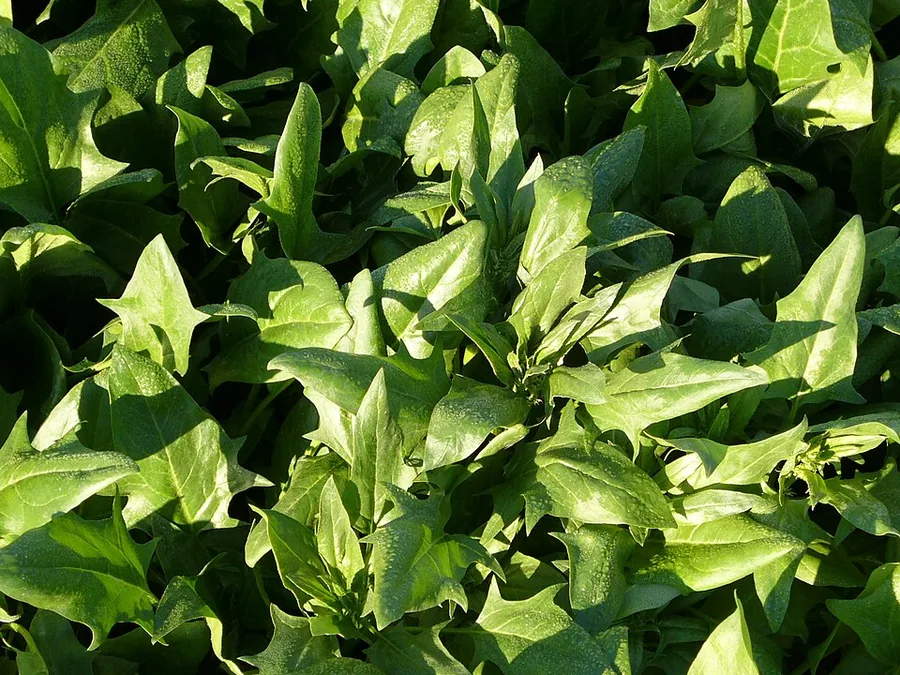
Spinach is a fast cool-weather green that takes off the moment conditions turn mild. It sprints from seed to a full cut of tender leaves in about 40 to 50 days, so it delivers one of the earliest spring harvests and one of the latest in fall. Push it into the heat of summer, though, and it bolts in a flash.
Even better, it stays neat and low, filling just 6 to 12 inches (15 to 30 cm) across, so it tucks into a garden corner, a raised bed, or a generous pot and gets straight to work. Pick the outer leaves, leave the center to power on, and that cut-and-come-again habit keeps one sowing cropping for weeks. One planting, harvest after harvest.
There is one thing to respect about this powerhouse green. Spinach runs high in oxalates, which is no issue for the healthy leaves on a plate but does mean pets and grazing animals should get it in small amounts, not heaping bowls.
Care
The short version: get spinach going while spring or fall stays cool, hand it full sun to partial shade with rich soil kept moist, and keep picking the outer leaves before summer heat drives it to bolt.
Light
Spinach powers along in full sun through the cool months and happily takes partial shade too. When the heat rolls in, some afternoon shade is a real ally, slowing the bolting that warmth sets off.
Water
Give spinach even moisture and peek at the bed every few days, because those shallow roots and thin leaves wilt in a hurry. Consistent water fuels lush, fast growth and pushes bolting back as things warm up.
Soil
Set spinach in rich, well-drained soil packed with organic matter and it will race ahead. It shrugs at pH anywhere from 6.0 to 7.5, and a bed loaded with compost pays off in fuller, faster leaves.
Temperature
Cool weather is where spinach wins. It cruises from near freezing to about 77°F (25°C) and hits top gear at the cooler end, which is exactly why spring and fall crops leave a summer sowing in the dust.
Humidity
No humidity target to chase here, since ordinary outdoor air keeps spinach going. Airflow is the thing to nail, because leaves crammed in and damp roll out the welcome mat for downy mildew.
Feeding
A hungry heavy feeder, spinach craves nitrogen and keeps churning out new leaves. Dig plenty of compost or a balanced, nitrogen-rich fertilizer through the soil before sowing, then side-dress mid-run if the leaves start to fade.
Pruning
Forget pruning, there is none. Just pick the outer leaves once they bulk up, and the center keeps firing out more; strip away anything yellowing or bolting.
Repotting
No repotting in the picture. Spinach lives fast as an annual and rarely lasts past a season, so when a batch is done, clear it and start over rather than shifting plants around.
Size & spacing
Expect compact plants at 6 to 12 inches (15 to 30 cm) tall and about the same wide. Thin them to 3 to 6 inches apart to keep air moving and give every leaf room to stretch.
When to plant
Spinach thrives in the cold and quits in the heat, so lean into the cool windows and it delivers. Sow the first crop the second the spring ground can be worked, fire off another in late summer for fall, and keep harvesting across the cool stretch right up to bolting.
Northern hemisphere
Southern hemisphere
Typical months for a temperate climate: start earlier in warm zones, later where spring frosts linger.
- Sow: Usually direct-sown; optionally start 4-6 weeks before the last spring frost if transplanting.
- Plant: Early spring as soon as soil is workable (about 4-6 weeks before last frost) once soil reaches 45°F, and again in late summer for a fall crop.
- Harvest: Harvest leaves roughly 40-50 days after sowing, before plants bolt; grown for foliage rather than bloom.
Hardiness
USDA hardiness zones: 2–11
Temperature: down to -46°C
Troubleshooting
Spinach shows its troubles on the leaves or in a sudden sprint to flower, and jumping on them early keeps the harvest rolling. Match what you spot below and move fast, before the leaves sour or a disease races through the bed.
Yellow patches up top, fuzzy mold down below
This one is downy mildew, and it tears through crowded plantings that stay cool and wet. Flip a leaf and look for gray to violet fuzz beneath, set against yellow patches up top. Rip out the infected leaves, open up the spacing for airflow, and water low at the base each morning so the leaves dry fast.
Fix:
- Remove and destroy infected leaves and plants
- Improve air circulation and avoid overhead watering
A stalk rockets up and the leaves turn bitter
That sudden stalk means bolting, triggered the moment days lengthen and the heat climbs. The plant throws its energy into seed instead of leaves, and what stays behind turns small and bitter. Move fast: yank the whole plant the instant that stalk shows, and get a fresh crop sown somewhere cooler.
Fix:
- Harvest the entire plant promptly once bolting begins
- Remove bolted plants and sow a fresh cool-season planting
Pale winding tunnels snaking through the leaves
Those pale tunnels are leafminer larvae feeding inside the leaf, safe from any spray. Snap off the mined leaves and bin them the moment they appear. Better yet, throw a floating row cover over the bed early to shut out the egg-laying flies before they ever start.
Fix:
- Pick off and destroy mined leaves
- Remove badly infested plants
Toxicity
Spinach is a nourishing edible green with zero poison in it, so grow it with confidence. The one flag to watch is its high oxalate content, a dietary footnote for anyone prone to kidney stones and a cue to give cats, dogs, and horses just small tastes instead of big servings.
Toxic to
Cats · Dogs · Horses
Safe for
People · Rabbits · Livestock · Birds — the leaves
Cats Caution
A quick nibble of spinach does a cat no harm, but the leaves pack plenty of soluble oxalates. Feed it regularly or in a big serving and it can tax the kidneys and unsettle digestion, so an odd small taste is plenty.
Dogs Caution
A little spinach suits most dogs just fine, though the oxalates keep adding up. Big or repeated servings can upset the gut and lean on the kidneys, which counts double for a dog already prone to kidney trouble.
Horses Caution
Spinach poses no poison risk to horses, but a big oxalate load can block calcium and strain the kidneys when a lot goes down. Stick to an occasional handful.
Rabbits Safe
Rabbits can munch spinach as one piece of a varied leafy diet. The oxalates mean it works best rotated with other greens instead of served daily.
Livestock Safe
Cattle, goats, and sheep do fine on moderate helpings of spinach, trimmings and all, and nothing in the leaves would endanger a grazing animal.
Birds Safe
Backyard chickens and pet birds go straight for spinach. Toss it into a wider mix of greens so the oxalates never take over the diet.
People Edible
For people, spinach is a nourishing leafy green, great raw or cooked. It runs high in oxalates, which is only a concern if you are prone to kidney stones, and cooking knocks those levels right down.
Spinach is high in oxalates, a human dietary consideration (relevant to kidney-stone-prone individuals); cooking reduces oxalate levels.
Helpline numbers

United States
ASPCA Animal Poison Control: (888) 426-4435 (fee applies)
Poison Control: (800) 222-1222



Canada
Poison Centres: 1-844-764-7669
Varieties
Spinach breaks down into savoy, semi-savoy, and smooth-leaf types, and a handful of proven varieties will carry any garden. These are the standouts to grow.
Bloomsdale Long Standing
A classic heirloom savoy loaded with thick, deeply crinkled dark-green leaves that powers through the cold.
Tyee
A semi-savoy hybrid that shrugs off heat, keeps bolting at bay, and crops in about 45 days.
Melody
A slow-bolting 1977 All-America Selections winner with fine flavor and lightly crinkled leaves.
Companions
Spinach grows best alongside other cool-season crops, especially legumes that share its early timing and feed nitrogen back into the bed.
Plant near
Peas: Shares cool-season preferences and the legume fixes nitrogen, making it an efficient early-spring interplant.
Bush beans: Listed on cool-season interplanting guides as a compatible companion that supplies nitrogen.
Brassicas: Cool-season brassicas pair well with spinach for interplanting in spring and fall beds.
How to propagate
Spinach is a joy to start, dropped right into the soil from seed with no transplanting to slow you down.
SeedEasy
Direct sow in early spring once soil reaches about 45°F and again in late summer for fall. · Germinates in about 7-14 days; harvestable in roughly 40-50 days.
Spinach almost always goes straight into the ground from seed, no transplants needed. Drop the seeds in 1/4 to 1/2 inch deep once the soil warms to about 45°F (7°C), then thin them out to 3 to 6 inches apart. They pop up in 7 to 14 days and you are picking leaves in roughly 40 to 50 days.
Myths
Spinach loads you up with iron your body absorbs easily.
Spinach does bring iron to the table, but the non-heme kind, and its own oxalates grab hold of much of it as you digest. As an iron source it falls well short of the Popeye hype, so grow it for its other nutrients.
Spinach has to have full sun all day to grow.
It charges ahead in full sun but takes partial shade just fine. A stretch of afternoon shade actually pays off in the heat, holding back the bolting that high temperatures set off.