Ornamental · Asteraceae
Cornflower
Centaurea cyanus
Fling some seed into full sun and lean soil, and cornflower fires back true-blue blooms all summer.
Full sun
Every 7–14 days
USDA 2–11
1–3 ft · 0.3–0.9 m
Overview
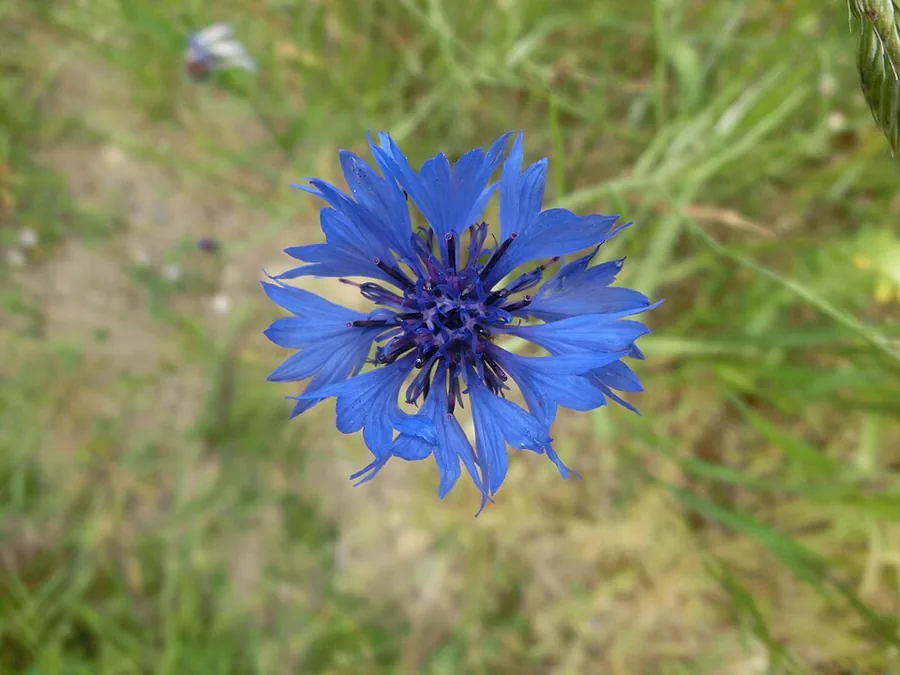
Cornflower, the cheerful bachelor's button, is a cool-season hardy annual in the daisy family that has lit up cottage gardens and grain fields for centuries. Its true blue flowers hit a note almost nothing else can reach, and the petals are edible too, packing a mild spicy-sweet taste. Hand it some sun and a patch of open ground and it gets to work.
Few flowers reward a first-time grower this fast. It powers through poor, dry soil that would stall fussier plants, brushes off cold down to USDA zone 2, and reseeds so freely that one packet often turns into a yearly regular. Give it some elbow room and it builds a loose, airy clump from 1 to 3 feet tall.
Its one quirk is a habit of sprawling in shade or rich ground, and that is easy to head off. Plant it where the sun beats down and the soil stays lean, and the stems stand taller while the blue cranks up. Deadhead the spent flowers and it keeps cranking out blooms for weeks instead of dashing to set seed.
Care
The short version: full sun and average, well-drained soil that runs on the lean side. Water when the top half dries out, skip the fertilizer, and snip off spent blooms to keep the flowers firing.
Light
Cornflower craves full sun, a solid 6 or more hours a day. It will put up with a little light shade, but pile on too much and it stretches, leans, and flops instead of standing tall and strong.
Water
While it digs in, hand it medium, even moisture and let the top half of the soil dry between waterings, which usually clocks in around every 7 to 14 days. Once it settles, it powers through drought and low water with ease. The one thing it can not stand is wet, soggy ground.
Soil
Plain well-drained loam does the job, and here is the kicker: this plant flat-out thrives in poor soil. It rolls with a wide pH range from 6.0 to 8.0, so most garden beds work straight away with no special prep.
Humidity
Regular outdoor air keeps it perfectly happy, so skip chasing a number. What really counts is good airflow, since crowded, stagnant spots open the door to the rots and rusts that trouble this plant.
Feeding
Cornflower wants barely any feeding and often hits its best with none at all. If the itch strikes, a light balanced fertilizer at planting covers it, because rich ground only churns out weak, floppy stems.
Pruning
Deadhead the spent flowers to keep the blooms pumping and to rein in this plant's eager self-seeding. When a clump runs leggy mid-season, cut it back hard and it often bursts out a fresh flush.
Size & spacing
Plants shoot up 1 to 3 feet (30 to 91 cm) tall and spread 12 to 24 inches (30 to 61 cm) wide. Give each one that room so air rushes through and the stems brace against their neighbors.
When to plant
Cornflower jumps into action in cool weather. Start it indoors 6 to 8 weeks before your last spring frost, or fling seed straight into the ground around that frost date. In mild-winter regions a fall sowing kicks off earlier blooms, which roll in from late spring into summer, roughly May to July.
Northern hemisphere
Southern hemisphere
Typical months for a temperate climate: start earlier in warm zones, later where spring frosts linger.
- Sow: 6 to 8 weeks before the last spring frost
- Plant: Direct sow at the last spring frost date, or in fall in mild-winter climates
- Harvest: Blooms late spring into summer, roughly May to July
Hardiness
USDA hardiness zones: 2–11
Temperature: down to -46°C
Troubleshooting
Cornflower rarely throws a problem your way, and the few it does are quick to read and quicker to beat. Floppy stems shout too little sun, sticky leaves flag pests on the move, and wilting almost always traces to wet feet. Match what you spot below and jump on it early.
Wilting plants, mushy stems, or rusty leaf spots
A plant that wilts while the soil sits damp, or whose base goes soft and mushy, has run into root and stem rot thriving in waterlogged ground. Spot orange pustules dotting the leaves and you are looking at rust instead. There is no rescuing a plant that has rotted, so yank it, fix the drainage, and aim your watering at the soil instead of the foliage to keep the rest of the patch charging ahead.
Fix:
- Improve soil drainage
- Avoid overhead watering and overwatering
- Remove and discard affected plants
Stems toppling and the plant sprawling out
A cornflower that flops and sprawls is almost always begging for more light, so a plant stuck in shade or jammed into a crowded bed leans hard while one out in full sun shoots up straight and proud. Pile on rich or wet ground and it gets worse, since that fuels soft, weak stems. Get it into the sun, dial back the feeding, and stand a few twiggy stakes around the tall stems to keep them reaching upward.
Fix:
- Grow in full sun
- Provide light support or grow-through staking for tall plants
- Avoid over-fertilizing
Sticky leaves swarming with tiny insects
Catch a crowd of soft little bugs massing on the stems and leaf undersides and you have got aphids, often with mealybugs piling in too. They smear on a sticky honeydew and warp the fresh new growth, but you can turn this around fast. Blast them off with a sharp jet of water, hit any holdouts with insecticidal soap, and let a squad of ladybugs clean up whatever is left.
Fix:
- Spray plants with a strong jet of water to dislodge pests
- Apply insecticidal soap if infestation is heavy
- Encourage natural predators such as ladybugs
Toxicity
There is truly nothing to worry about here. Cornflower lands on the non-toxic list for pets, livestock, and people, and the petals are even edible, with a gentle spicy-sweet flavor. Plant it freely around cats, dogs, horses, and curious children.
Safe for
People · Cats · Dogs · Horses · Rabbits · Livestock · Birds
Cats None
Grow it right alongside a curious cat, because cornflower packs no toxic compounds and a nibbled leaf or flower does zero harm.
Dogs None
A dog can charge past the plant or chew on it all it wants, since nothing in cornflower is poisonous.
Horses None
Cornflower lands on the non-toxic list for horses, so a grazing mouthful raises no flags at all.
Rabbits Safe
Rabbits can tuck into the leaves and petals freely, because the plant carries no toxins to slow them down.
Livestock Safe
Cattle, goats, and sheep grazing the pasture run no risk from cornflower whatsoever.
Birds Safe
The seeds and flowers are safe for birds, and finches love to swoop in and pick at the spent heads.
People Safe
Go ahead and eat the petals, which bring a mild spicy-sweet kick to a salad or a cup of tea.
Varieties
Cornflower brings way more than the famous blue to the table. Here are the color forms you are most likely to grab.
Blue cornflower
The classic that started it all, firing off intense blue double buttons that earned the plant its name.
Pink and lavender forms
Selections that swap the usual blue for punchy pink, lavender, or purple blooms.
White cornflower
A crisp white form that cools down a planting or completes a mixed-color patch.
How to propagate
Cornflower ranks among the easiest flowers to start from seed, and it keeps the show rolling by sowing the next generation for you.
SeedEasy
Start indoors 6 to 8 weeks before the last frost, or direct sow at the last spring frost; fall sowing works in mild-winter climates · Germinates and establishes within a few weeks; reseeds readily in the garden
Cornflower is a cool-season hardy annual that takes off best straight from seed, so dive right in. Launch it indoors 6 to 8 weeks before the last frost, or fling seed into the ground at the last frost date, and where winters stay mild a fall sowing gets it rolling early too. It sprouts and digs in within a few weeks, then reseeds itself freely, charging back on its own the very next year.
Myths
Cornflower is poisonous to pets like cats and dogs.
Toss this worry out, because Centaurea cyanus lands on the non-toxic list for cats, dogs, and horses, and its petals are edible for people too. No toxin lurks anywhere in this plant, so a curious nibble from a pet or a child is nothing to lose sleep over.
All Centaurea are noxious invasive weeds that should never be planted.
A few wild cousins like knapweed and star thistle really do run riot, but the annual ornamental cornflower stays a friendly, easy garden flower. Snip off the spent blooms and you keep its self-seeding right where you want it.