Ornamental · Dennstaedtiaceae
Hay-scented Fern
Dennstaedtia punctilobula
A rugged native fern that races across shade in soft, hay-scented fronds and asks for next to nothing.
Partial shade
Every 5–10 days
USDA 3–8
12–24 in · 30–60 cm
Overview
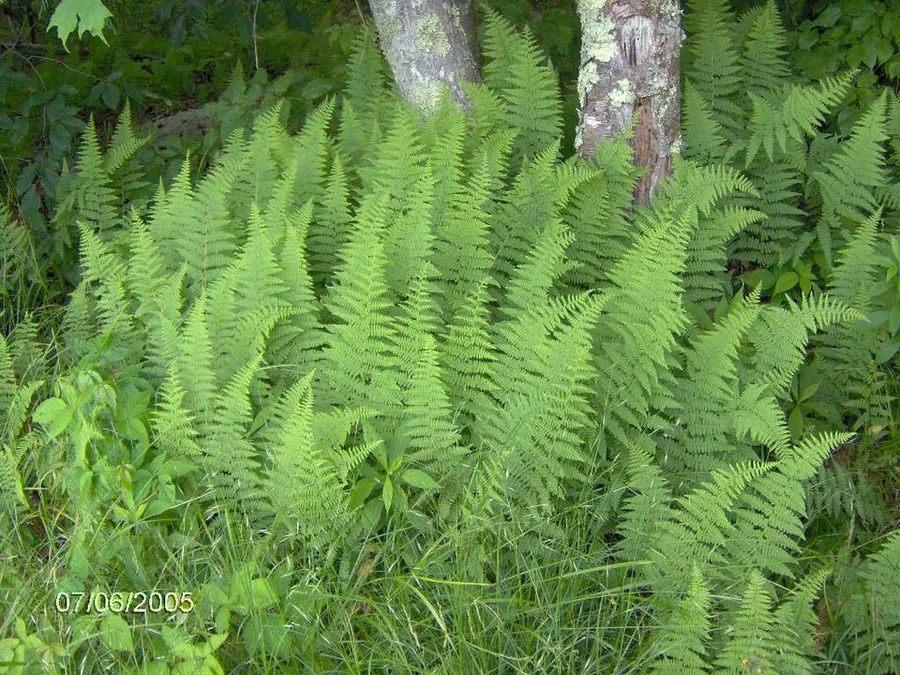
Hand hay-scented fern a shady, forgotten corner and watch it transform the whole spot into a sweep of soft, lacy yellow-green fronds. Brush the foliage or crush a leaflet and it hits you with the sweet smell of fresh-cut hay that earns its name. This eastern North American native ranks among the easiest ferns to grow, and it storms into lean, rocky ground that stops most other plants cold.
The real thrill is watching how far it runs. It travels on shallow creeping rhizomes to build dense colonies fast, so it makes short work of covering a bank, a wood edge, or a big patch of dry shade. That same drive turns into a challenge in a tidy border, so pick its spot with intent before the first season wraps.
It is a genuine survivor on top of all that, powering through brutal winters and shrugging off the deer and rabbits that mow down most other plants. Hand it the part shade and acidic soil it craves and it needs almost nothing more, bursting back fresh every spring with no real work from you.
Care
The short version: part shade and acidic, humusy soil bring out its best, though it charges ahead in anything from full sun to full shade and even poor, rocky ground. Keep it evenly moist its first year and through hot spells, then stand back and let it run.
Light
It powers through nearly any light, from full sun to full shade, but partial shade is where it truly shines. Park it in a hot, sunny spot and the fronds scorch and brown unless you keep the soil moist, so lean into more shade the warmer your summers run.
Water
Keep the soil evenly moist through the first growing season and whenever hot, dry weather hits, especially in sunnier sites. Once a colony digs in it turns fairly drought tolerant and even tackles poor, rocky soil, so you can ease off the watering for settled plants.
Soil
It loves acidic, humusy loam but refuses to be fussy, taking poor and rocky soils right in stride. Any pH from 4.5 to 7.0 works, and it hits its stride at the acidic end.
Temperature
This is one rock-solid fern, hardy from about -31°F to 86°F (-35°C to 30°C). It blasts through hard winters and only wobbles when summer heat spikes and the soil dries out at the same time.
Humidity
Plain outdoor air fuels it just fine, somewhere around 40% to 70% humidity, so there is nothing to chase. Steady soil moisture in the heat counts for far more than any moisture in the air.
Feeding
Skip the feeding almost entirely. This native thrives in lean ground, so at most toss down a light spring topdressing of compost or leaf mold and ditch the fertilizer.
Pruning
Cut back the faded, frost-killed fronds in late winter or early spring before the new growth rockets up. In hot climates you can shear declining fronds in late summer and they reflush the next spring. To rein in the spread, dig out the creeping rhizomes around the colony edge.
Repotting
It rarely lands in a pot, so this mostly comes down to dividing. Lift and split crowded plantings every 2 to 3 years to freshen them up or to keep the spread from running wild.
Size & spacing
Each plant tops out at 12 to 24 inches (30 to 60 cm) tall but creeps 2 to 4 feet (60 to 120 cm) wide and just keeps going. Hand it plenty of room, or count on it closing the gaps on its own.
When to plant
Hay-scented fern is a cold-hardy perennial built for USDA zones 3 to 8. Get new plants into the ground in spring the moment the soil can be worked, keep the water coming through that first summer, and the fronds hold their soft green from spring until frost finally browns them off.
Northern hemisphere
Southern hemisphere
Typical months for a temperate climate: start earlier in warm zones, later where spring frosts linger.
- Plant: spring
Hardiness
USDA hardiness zones: 3–8
Temperature: down to -40°C
Troubleshooting
This fern hands you very few real troubles, and nearly everything you spot boils down to two things: heat drying out the fronds, or the colony charging further than you planned. Match what you see below and jump on it early.
Fern charging past its bed and swamping its neighbors
New fronds shooting up far from where you planted mean the fern's hungry rhizomes are on the march, exactly what this plant does best. Corral that energy by sinking a root barrier or growing it in a bed of its own, then dig out the creeping rhizomes along the colony edge every spring. Steer it well clear of slow, treasured perennials it could bury, and the vigor becomes an asset instead of a headache.
Fix:
- Install a root barrier or grow in a contained bed
- Dig and remove rhizomes at the colony edge each spring
- Avoid planting next to choice, slow-growing perennials
Fronds crisping up early in the summer heat
Fronds going yellow and crunchy before fall almost always point to heat and drought stress, and it strikes hardest in a sunny bed that dries out. Fight back with a deep soak through hot spells, shift the plant into more shade in warm regions, and pile on mulch to trap moisture. And when the browning turns up only as the weather cools, celebrate it, because that is the fern powering down into dormancy and it comes roaring back next spring.
Fix:
- Provide consistent moisture during hot, dry weather
- Site in partial to full shade in warm regions
- Mulch to conserve soil moisture
- Shear off declining fronds; plants reflush the following spring
Toxicity
Great news for homes with pets and kids. Hay-scented fern is a true fern with no known toxins, flagged as poisonous to no animal, and it packs no spines or contact irritants. The one thing worth tracking is how fast it spreads into dense colonies, so treat it as a garden habit to steer rather than any danger indoors.
Safe for
People · Cats · Dogs · Horses · Rabbits · Livestock · Birds
Cats Non-toxic
Let a nosy cat investigate all it likes, because this true fern packs no known toxins and a nibbled frond does no harm. Tear through a big mouthful of any plant, though, and a cat might drool a little or nurse a brief tummy upset.
Dogs Non-toxic
Nothing in these lacy fronds will poison a dog, so a curious taste is fair game. The one catch is that bolting down a big pile of any greenery can leave a dog with a passing, mild stomach upset.
Horses Non-toxic
Horses can graze right up to this fern and stay perfectly fine, since it packs no toxin known to affect them. The worst a grazing horse might notice is a touch of digestive grumbling from the roughage.
Rabbits Non-toxic
Rabbits get to browse the soft fronds without a care, and that easy safety helps explain why the plant shrugs off rabbit damage so well. A casual nibble brings zero poison into the picture.
Livestock Non-toxic
Cattle, goats, and sheep can roam near this fern with no real risk, because it packs no toxin that affects them. Grazing it causes no harm beyond the ordinary roughage any leafy plant delivers.
Birds Non-toxic
Birds are in the clear here, since the fronds pose them no danger at all. Hens and other backyard birds can peck and scratch through the patch freely, because nothing in the foliage is toxic.
People Non-toxic
Dig in and handle this fern with confidence, and plant it right where the kids play, because it packs no spines and no contact irritants. Crush a frond and it rewards you with that sweet, fresh-cut-hay scent.
No spines or known contact irritants; fronds can be brushed or crushed to release the fresh-hay fragrance.
Varieties
There is no shopping trip here, which keeps things easy, since gardeners grow the wild species itself. This is the one form you will track down.
Dennstaedtia punctilobula (species)
The wild type is the star and the only game in town, throwing up lacy, yellow-green, hay-scented fronds that knit into broad colonies, with no named cultivars yet in cultivation.
How to propagate
Cranking out more of this fern is a breeze, mostly because it already itches to spread. The reliable move is dividing an established clump, and out in nature it seeds itself from spores as a bonus.
DivisionEasy
Spring or early fall · 1 to 2 growing seasons
The quickest win is to slice the creeping rhizome in spring or early fall, grabbing sections that each carry their own fronds and roots. They root in fast and fill out into a full stand within 1 to 2 growing seasons, so patience pays off quickly. Out in the wild it doubles up by seeding itself from spores that ride along the frond margins.
Myths
Hay-scented fern is a tidy groundcover that stays where you plant it.
Blink for a season or two and it takes off. Those shallow rhizomes drive out in every direction to build a dense colony that can bulldoze slower neighbors. Turn it loose only where you want that spread, or rein it in with a root barrier.
Ferns need deep shade and soil that never dries out.
This go-getter blows that rule apart. It tackles anything from full sun to full shade, and once it digs in it powers through dry spells and even conquers poor, rocky ground where fussier plants throw in the towel.