Ornamental · Plantaginaceae
Angelonia
Angelonia angustifolia
Hand it full sun and heat, and angelonia rockets up spires of bloom from summer to fall without missing a beat.
Full sun
USDA 9–11
12–18 in · 30–46 cm
Overview
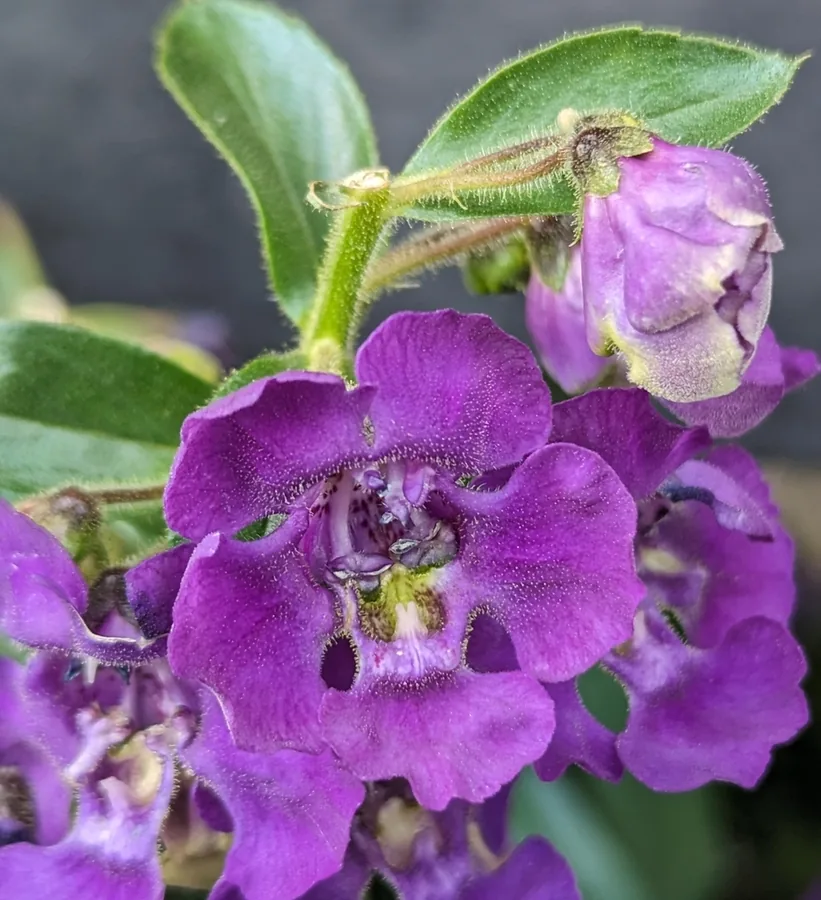
Angelonia, the summer snapdragon, thrives exactly when the heat cranks up. While the rest of the bed wilts through July, this one keeps firing slim spires of purple, pink, white, or blue flowers from early summer clear into fall. The name tips its hat to snapdragon-shaped blooms, yet it sits in the family Plantaginaceae and skips every bit of a snapdragon's fuss.
It builds a neat mound, 12 to 18 inches (30 to 46 cm) tall, and slots right into a border, a sweep of mass planting, or a pot by the door. Hardy only in zones 9 to 11, most growers run it as a warm season annual and pop in fresh plants each spring. Feed it sun and warmth and it gives back a long show for next to nothing.
The best part is how little it asks. Once the roots dig in, it laughs off drought and humidity, skips deadheading entirely, and rarely pulls in a pest. Drop it where the sun pours down, keep the soil draining fast, and it pretty much runs the show on its own.
Care
The short version: full sun, warmth, and soil that drains fast are the whole recipe. Water it while it roots in, then let it coast through dry stretches once established, and shear it back by half at midsummer the moment it starts to slow down.
Light
Angelonia chases full sun and wants every hour of it. Pour on the direct light and the plant packs in denser with heavier bloom, while shade leaves it thin, floppy, and slow to flower.
Water
Keep the soil evenly moist while the plant roots in, then back right off once it has a grip. After that it powers through dry spells and the soil can dry between waterings, as long as drainage stays sharp. Soggy ground is the one thing it flatly refuses to take.
Soil
Set it into moist, fertile soil that drains fast and you are off. Rich ground fuels that long run of bloom, but standing water flings open the door to root rot, so break up heavy soil with compost and give the water a clear exit.
Humidity
Heat and muggy air roll right off angelonia, so skip chasing a number. Airflow is the real lever, since still, heavy air around packed plants is exactly what hands powdery mildew its opening.
Feeding
Work a slow-release landscape fertilizer into the soil at planting, then recharge it about every two months across the growing season. Where the soil runs lean, a splash of liquid feed now and then keeps the flowers cranking.
Pruning
Skip the deadheading, since the plant cleans up after itself. If it stretches or flags by midsummer, shear it back by about half and it snaps back into flower within 2 to 3 weeks.
Size & spacing
Each plant shoots up 12 to 18 inches (30 to 46 cm) tall and fans out 8 to 12 inches (20 to 30 cm) wide. Hand every one that much room so air rips through the planting and mildew never gets a grip.
When to plant
Angelonia runs on warmth and wants nothing to do with frost. Start seed indoors in late winter, push plants outside once the cold has truly cleared and the soil has warmed, and the flowers keep firing from early summer straight through the first chill of fall.
Northern hemisphere
Southern hemisphere
Typical months for a temperate climate: start earlier in warm zones, later where spring frosts linger.
- Sow: Start seed indoors about 6 to 8 weeks before the last spring frost; seed needs light to germinate and sprouts in 7 to 14 days.
- Plant: Transplant outdoors after the last frost when soil and air have warmed.
- Harvest: Blooms from late spring or early summer through early fall (about June to September); allow roughly 13 to 14 weeks from sowing to flower.
Hardiness
USDA hardiness zones: 9–11
Temperature: down to -7°C
Troubleshooting
Angelonia ranks among the easiest annuals you can grow, and nearly every hiccup traces straight back to soggy soil or dead, still air. Learn the handful of signs below and you can jump in early. Spot the match, then move while a quick fix still turns it around.
A plant that flops even while the ground stays wet
When a plant droops in soil that is still soggy, point the finger at Phytophthora root and stem rot, a water mold that runs riot wherever drainage fails. The roots and stem base go brown and mushy, and once it gets that far the plant is gone for good. Pull and bin the worst, cut way back on watering, and start over where the ground drains fast.
Fix:
- Remove and discard severely affected plants
- Improve drainage and reduce watering frequency
A chalky white film spreading across leaves and stems
That dusting is powdery mildew, a fungus that pounces when air goes stagnant and leaves stay wet. Switch to watering at the base, open up any crowded growth so the breeze can sweep through, and strip away the leaves coated worst. Set a plant in full sun with room to breathe and it shrugs this off most years.
Fix:
- Improve air circulation by spacing plants properly
- Avoid wetting foliage and water at the base
- Remove badly affected foliage
Fresh shoots twisting up under a crowd of tiny bugs
Those soft little dots packed onto the new tips are aphids, and the sticky gloss they leave is honeydew. Blast them off with a sharp jet of water, then hit any stragglers with insecticidal soap. Lady beetles and their hungry friends finish the cleanup for you, so keep the nitrogen light to stop drawing in the next wave.
Fix:
- Dislodge aphids with a strong spray of water
- Apply insecticidal soap if populations are high
- Encourage natural predators such as lady beetles
Toxicity
Great news for homes with pets and kids: angelonia is not listed as toxic. The ASPCA keeps it off its cat and dog lists, and the leaves and flowers hold no known poisons. A curious nibble might unsettle a touchy stomach the way any strange plant can, but the plant itself is safe.
Safe for
People · Cats · Dogs · Horses · Rabbits · Livestock · Birds
Cats None
Angelonia never landed on the ASPCA's toxic list, so a cat that goes exploring and chews a leaf has nothing coming.
Dogs None
Dogs get the all-clear too. A big bite of foliage could rattle a touchy stomach the way any odd plant might, but no toxin lurks in here.
Horses Safe
Horses have nothing to dread from angelonia, so a grazing mouthful out in the field is fine.
Rabbits Safe
Rabbits can munch the leaves and flowers freely, though a hungry one may graze a young plant clean down to the stem.
Livestock Safe
Cattle, goats, and sheep meet no known toxic threat from angelonia in the pasture or along the border.
Birds Safe
Birds that peck at the leaves or spent blooms walk away unharmed every time.
People Safe
Angelonia earns its spot for the show it puts on, not the plate, but it packs no toxin, so a child who samples a flower comes through fine.
Varieties
Angelonia comes in seed-grown series and vegetative ones, the latter bred for bigger flowers and kept true by cuttings. A few names keep popping up on the garden center bench, so they are easy to grab.
Serena and Serenita series
These compact seed-grown plants burst out in purple, lavender pink, and white.
Archangel series
Raised from cuttings, these push out bigger flowers in shades like blue and pink.
Night Sky
Its deep purple blooms come splashed all over with tiny white dots.
How to propagate
You can crank out more angelonia from cuttings or from seed, and the pick comes down to how much time you have and whether you want a dead-on copy of a favorite.
Stem cuttingsEasy
During active growth in the warm season. · A few weeks to root and establish.
Tip cuttings are the fastest route to clone a plant you love. Snip them while growth is surging in the warm season, plant them into a moist medium, and watch them root and settle in within a few weeks. Growers lean on this same move to keep the named vegetative series locked to color.
SeedEasy
Start indoors 6 to 8 weeks before the last frost. · Germinates in 7 to 14 days with light; about 13 to 14 weeks from sowing to flower.
Seed asks for patience but pays you back with a crowd of plants. Sow indoors 6 to 8 weeks before the last frost and leave the seed on the surface, since light wakes it up, and it sprouts in 7 to 14 days. From there, count on roughly 13 to 14 weeks from sowing to the first flush of flowers.
Myths
Angelonia needs constant deadheading to keep blooming.
Angelonia keeps itself tidy and powers right on flowering with zero deadheading. If it loses steam by midsummer, one shearing by half refreshes the bloom within 2 to 3 weeks.
Angelonia is a true snapdragon.
The nickname summer snapdragon springs from the flower's shape, not from any shared lineage. It is Angelonia angustifolia in the family Plantaginaceae, with zero connection to the true snapdragon, Antirrhinum.