Ornamental · Plantaginaceae
Spike Speedwell
Veronica spicata
Plant it in full sun with sharp drainage and watch speedwell fire off blue spikes all summer.
Full sun
Every 5–10 days
USDA 3–8
2–3 ft · 0.6–0.9 m
Overview
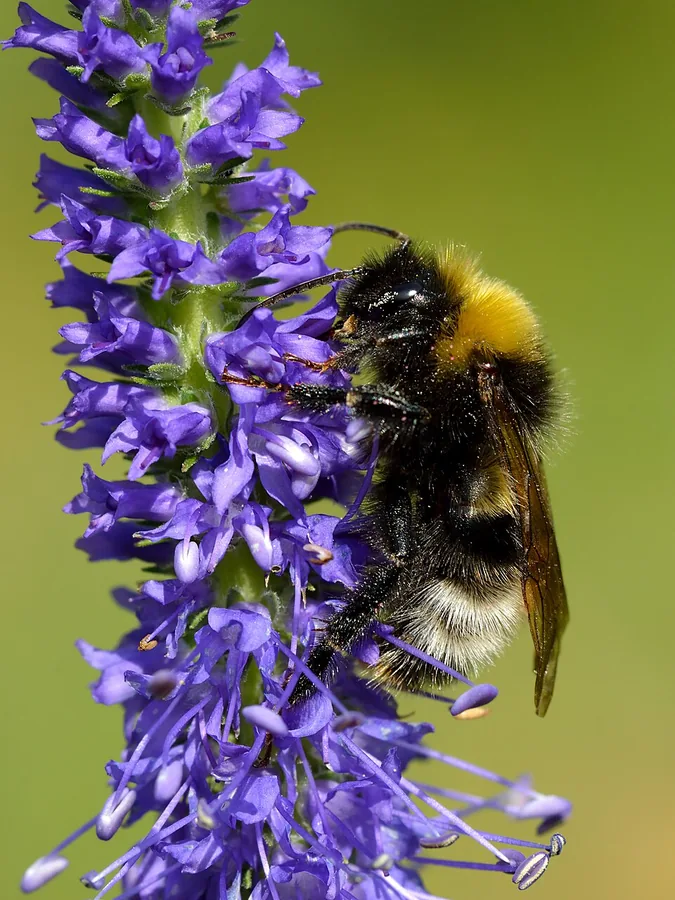
Spike speedwell is a garden workhorse worth getting excited about, sending up slim spires of blue, pink, or white right through summer. It joins the plantain family and thrives in a sunny bed, where pollinators pile onto the spikes from June into August. Cold gardens hold no fear for it, since it powers through zones 3 to 8.
It builds a neat clump around 2 to 3 feet (61 to 91 cm) tall and nearly as wide, filling its space fast enough to satisfy. Once it takes hold it demands next to nothing, and deer and rabbits march right past it. Get the drainage right and you have cleared the only real hurdle, because wet feet are its one weakness.
Hand it sun and sharp drainage and speedwell rewards you with almost no effort. Shear the finished spikes and it frequently kicks out a second flush in fall, doubling your show. Split the clump every few years and it keeps roaring back, full and vigorous, season after season.
Care
The short version: full sun, moist but sharply drained soil, and steady water that never turns swampy. Deadhead the spent spikes to keep the flowers firing, and divide the clump every few years to keep it charging.
Light
Speedwell puts on its biggest flower show in full sun, so give it 6 or more hours of direct light a day. It will get by in light or partial shade, but a dim spot leaves it stretching and blooming thin, and that is not the plant at its best.
Water
Keep it in steady, even moisture and it powers along, so avoid both bone-dry soil and a swamp. An established plant shrugs off a short dry spell, though those shallow roots tap out in a long drought. Do not let the soil sit wet, especially over winter, or root rot moves in.
Soil
Set it into average to rich loam or silt that stays moist but drains fast. A pH from 6.0 to 7.5 keeps it happy, and winter drainage is the make-or-break detail, since heavy, wet clay is what takes these plants down.
Temperature
Speedwell is a cold-weather champ, hardy right down to -40°F (-40°C) and cruising up to about 86°F (30°C). That grit is exactly why it storms through winter across zones 3 to 8.
Humidity
Everyday outdoor air keeps it going, so forget chasing a humidity number. What really pays off is strong airflow, because still, crowded air over wet soil is what stirs up trouble at the roots.
Feeding
This plant runs lean. One balanced feed or a spring topdressing of compost fuels it all season, and overdoing it just hands you floppy growth, so keep a light touch.
Pruning
Deadhead or shear the spent spikes as they fade to spark fresh bloom, and cut the plant back to its basal rosette after the main flush to chase a fall repeat. Clear the old growth in late winter or early spring and it launches straight into the new year.
Repotting
As a garden perennial, speedwell gets divided rather than potted up. Split the clump every 3 to 4 years to keep it charging, and jump on it once the center thins or the flowering starts to slip.
Size & spacing
A mature plant shoots up to 2 to 3 feet (61 to 91 cm) tall and spreads about 24 to 30 inches (61 to 76 cm) wide. Space them close to that far apart so each clump fills in fast and air keeps moving through.
When to plant
Speedwell runs right along with the seasons, and it is fun to time. Fire up seed indoors a few weeks before your last frost, plant out once the spring soil warms, and the spikes come rolling from June through August.
Northern hemisphere
Southern hemisphere
Typical months for a temperate climate: start earlier in warm zones, later where spring frosts linger.
- Sow: 6 to 8 weeks before last spring frost
- Plant: After last spring frost once soil has warmed
- Harvest: June to August (late spring to mid-summer)
Hardiness
USDA hardiness zones: 3–8
Temperature: down to -40°C
Troubleshooting
Speedwell throws few problems your way, and nearly every one comes down to too much water or too little sun. Catch the early signs below and you fix it fast, usually with a better spot or a quick deadheading, and you are back in business.
Wilting, yellowing tops over soft, black roots
Wilting and yellowing tops over soft, blackened roots spell root rot, and it springs from wet, poorly drained soil, not from thirst. Winter hits hardest, when cold ground stays soggy and those shallow roots drown. Lift the crown for a look, shift the plant to a sharply drained spot, and toss any clump that has gone soft and mushy so the rest can bounce back.
Fix:
- Reduce watering and improve drainage
- Move or replant into a sharply drained, raised, or amended site
- Remove and discard severely rotted plants
Thin bloom on floppy, stretched-out stems
Thin bloom paired with floppy, stretched stems means speedwell is starving for light, and leaving old spent spikes on board only stalls it further. Move it into full sun for 6 or more hours a day, then shear the finished spikes to trigger a fresh flush that gets it charging again.
Fix:
- Site in full sun (6 or more hours of direct sun)
- Deadhead or shear spent spikes to promote rebloom
- Cut back to the basal rosette after the main flush
Toxicity
Here is more good news for pet owners and parents: speedwell is not considered toxic. It draws no poison warning from the extension references and stays clear of the ASPCA toxic plant list, so cats, dogs, and grazing animals can pile into the garden with it. A big mouthful might bring a brief, mild stomach upset at worst, the same as most any plant.
Safe for
People · Cats · Dogs · Horses · Rabbits · Livestock · Birds
Cats None
Speedwell is a safe bet around cats, packing no toxic compounds on record. A cat that chews a leaf might get a brief, mild stomach upset at most, and only after eating a good deal.
Dogs None
Dogs can romp through a speedwell patch with zero worry. It carries no toxicity warning and never lands on the ASPCA list, so a stray chew just means keeping an eye out.
Horses Safe
Horses have nothing to fear from speedwell. It holds no known toxins, and a graze on it does them no harm at all.
Rabbits Safe
Rabbits tend to skip speedwell anyway, and even a nibble does them no harm.
Livestock Safe
Cattle, goats, and sheep can graze right around speedwell safely, since none of its parts are toxic to them.
Birds Safe
Birds are perfectly safe with speedwell, and they flock to the spikes to work them for nectar and pollen without any risk.
People Safe
Speedwell is safe to handle and to grow around kids. It is not a food plant, so no part is meant for eating, but a nibbled leaf brings nothing worse than a possible mild stomach upset.
No special handling precautions; generally considered safe around pets and people.
Varieties
Spike speedwell shows up in a handful of standout cultivars, sorted mostly by flower color and habit. These are the ones worth hunting down.
Icicle
Icicle fires clean white flowers that light up the front of a border.
Rosea
Rosea swaps the usual blue for punchy soft pink spikes.
Royal Candles (Glory)
Royal Candles, also sold as Glory, stays compact and tidy while topping itself with deep violet-blue spikes.
Red Fox (Rotfuchs)
Red Fox, also called Rotfuchs, turns heads with rosy-red to deep pink spikes.
How to propagate
Multiplying speedwell is genuinely fun, and you have three great ways to do it: split a clump, sow seed, or root a few summer cuttings.
DivisionEasy
Early spring as shoots emerge, or early fall · One growing season
Division is the fastest, surest way to build up your speedwell stock. In early spring as the shoots break ground, or in early fall, dig the whole clump, pull it into pieces, and replant them right away. Each division locks in over a single growing season.
SeedModerate
Indoors 6 to 8 weeks before last frost, or outdoors in early spring · Germinates in about 14 to 21 days; flowers later that season or the next
Seed asks for patience, but it delivers. Kick it off indoors 6 to 8 weeks before your last frost, or sow outdoors in early spring, and press it onto moist mix without covering, since it needs light to sprout. Seedlings burst up in 14 to 21 days and bloom later that season or the next.
Stem cuttingsModerate
Late spring to early summer · A few weeks to root
Cuttings give you a third way in, taken in late spring or early summer. Snip a 4 to 6 inch tip, strip the lower leaves, and stand it in a well-drained mix, where it roots over a few weeks.
Myths
Speedwell poisons cats and dogs.
Not so, and that is great news. NC State Extension slaps no toxicity warning on spike speedwell, and it never shows up on the ASPCA toxic plant list, so count it safe around pets. Scarf down a big pile of any plant and a brief, passing stomach upset can follow, but speedwell plays by the same rule as everything else.
Speedwell demands constantly soggy soil.
It craves moisture but flat-out rejects sitting in it. Wet, poorly drained ground breeds root rot, while an established plant powers through some drought. Aim for steady water plus sharp drainage and it takes off.