Ornamental · Primulaceae
Japanese Primrose
Primula japonica
Give it cool, wet, shaded ground and Japanese primrose rockets up tiered candles of bloom every spring.
Partial shade
Every 1–3 days
USDA 4–8
12–18 in · 30–46 cm
Overview
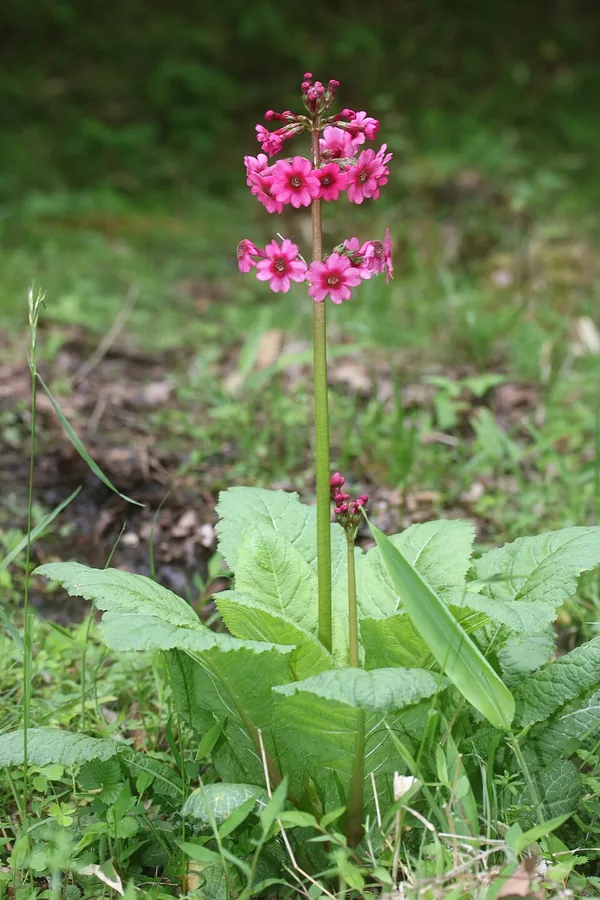
Japanese primrose is a damp-ground perennial straight from the streamsides and wet meadows of Japan, and it puts on a real show. It stands out as the boldest of the candelabra primroses, shooting up bare stems that carry flowers in tiered whorls, one ring stacked above the next, in crimson, rose-pink, or white. Rising over a clump of crinkled green leaves, it looks like a small chandelier lit up above the border.
What makes growing it so rewarding is where it wants to run. Plant it at the wet edge of a pond or stream, in a bog garden, or in damp woodland where the soil never really dries, and it takes off. One plant quickly builds into a sweeping drift, seeding itself freely across the moist ground around it.
It repays steady care instead of clever tricks, which makes it a joy to keep. Keep the roots cool and wet, shield it from harsh afternoon sun, and let a few seed heads ripen each year. The crowns are short-lived, so the colony powers on through its own seedlings rather than any single plant.
Care
The short version: plant it in rich, humusy soil that stays constantly moist to wet, give it part shade and cool roots, and never let it dry out.
Light
Give it part shade, the dappled light of a woodland edge, and it settles right in. It will push into more sun, even full sun, but only where the soil stays wet and cool, since bright light over dry roots scorches the leaves in a flash.
Water
This is where the whole game is won. Keep the soil constantly moist to wet and never let it dry out between waterings, because deep down this is a bog and streamside plant. Water every 1 to 3 days, and step it up in heat, or the plant wilts and slides downhill.
Soil
Load it into rich, humusy, moisture-holding loam that stays damp, and it will even dig into the heavy clay along pond and stream margins. A slightly acidic pH of 5.5 to 6.5 hits the mark.
Temperature
It laughs off the cold, riding out winter lows down to about -29°F (-34°C), and it handles summer warmth up to 86°F (30°C) as long as the roots stay cool and wet. Heat teamed with dry soil is what drops it, not the warmth alone.
Humidity
It revels in high humidity, no shock for a plant of wet streamsides and bogs. Damp air and damp ground pull together here, so a moist, sheltered spot keeps the foliage crisp and fresh.
Feeding
Feed it in spring as growth fires back up, either with a balanced fertilizer or by digging compost and organic matter into the soil. One seasonal feed carries it, since rich, humusy ground shoulders most of the work.
Pruning
There is barely anything to do. Cut back spent flower stems if you would rather it did not self-seed, and clear out old or diseased leaves. But leave a few seed heads standing, because self-sowing is how the colony keeps charging forward.
Repotting
This is a garden plant, not a pot plant. Skip repotting and instead divide the clumps every few years after flowering, especially once the crowns crowd in, flowering tails off, or the center of the clump starts to die out.
Size & spacing
Plants shoot to 12 to 18 inches (30 to 46 cm) tall in bloom and build a clump 6 to 12 inches (15 to 30 cm) across. Set them at that spacing in a drift so they knit together and seed into the gaps.
When to plant
Japanese primrose runs on the cool end of the season. Sow seed in late winter, push plants out in spring once the frost lifts and the ground turns reliably moist, then watch the tiered blooms fire up from late spring into early summer.
Northern hemisphere
Southern hemisphere
Typical months for a temperate climate: start earlier in warm zones, later where spring frosts linger.
- Sow: Late winter (sow on surface; cool, moist conditions and some chilling aid germination)
- Plant: Spring, after frost, into consistently moist ground
- Harvest: Late spring to early summer (May to June), in tiered candelabra whorls
Hardiness
USDA hardiness zones: 4–8
Temperature: down to -34°C
Troubleshooting
Track nearly every problem here back to one culprit: dry soil. Catch the first signs of stress on the leaves and crown and jump in early, before a wilting plant crosses the point of no return. Match what you see below and hit the cause, not just the symptom.
Summer wilt and scorch that can undo a whole planting
A plant that flags and browns has hit drought stress, the fastest way a Japanese primrose slips away. Remember its roots reach back to streams and bog margins, so it thrives on soil that stays wet and cool all season. Keep the ground constantly moist, work in some afternoon shade, and pile mulch over the root zone, and it bounces right back with fresh growth.
Fix:
- Keep soil constantly moist to wet at all times
- Move or site in part shade, or full sun only where soil stays reliably wet and cool
- Mulch with organic matter to retain moisture
- Grow along streams, pond margins, in bog gardens, or damp woodland
Chewed leaves and slime trails from hungry molluscs
Ragged holes and shiny trails almost always spell slugs and snails, and the damp soil this plant craves happens to be their favorite hangout. Hunt them down after dark and lift them off, or ring the crowns with traps and barriers to break their run. Spot fine webbing or stippled leaves instead, and spider mites or aphids have crashed the party, so blast them with a hose or knock them back with insecticidal soap.
Fix:
- Hand-pick slugs and snails or use traps/barriers
- Hose off aphids or treat with insecticidal soap
- Manage spider mites by raising humidity and treating affected foliage
Clumps bowing out after a few good years
No disease at work here, just the plant playing to its own script. Japanese primrose is a short-lived perennial that keeps its colony rolling through seed rather than through long-lived crowns. Let a handful of seed heads ripen and drop into the moist ground, then lift and split the strong clumps once they flower, and a fresh wave of plants keeps marching in.
Fix:
- Allow plants to self-seed to renew colonies
- Divide healthy clumps after flowering to propagate
- Leave some seed heads each year
Spotted foliage, rust flecks, or a mushy crown
Marks and bright orange pustules on the leaves flag fungal leaf spot and rust, while a soft, caving crown warns of root rot. Strip off the marked leaves and bin them, open up the spacing so air rushes through, and keep water off the foliage. Aim the moisture where it helps: give the crown fresh, moving water and dodge the stagnant winter-wet soil that turns it to mush.
Fix:
- Remove and destroy affected foliage
- Improve air circulation and avoid overhead wetting of leaves
- Ensure moisture is fresh/flowing rather than stagnant; improve drainage to prevent crown rot
Toxicity
Great news for growers, because Japanese primrose runs low in toxicity if eaten, so a curious pet that chews a leaf risks nothing worse than a mild, passing stomach upset. The bigger flag is for you, not them. The foliage packs primin, a contact allergen that can raise an itchy rash on sensitive skin, so pull on gloves when you handle or divide the plants.
Toxic to
Cats · Dogs · Horses · Rabbits · Livestock · Birds · People
Cats Mild
A cat that nibbles the leaves might drool a bit or bring up a small amount, but the upset stays mild and clears on its own. Skip the worry, and simply keep curious cats away from the foliage.
Dogs Mild
Chewing the leaves can hand a dog a quick round of vomiting or a loose stomach. Most dogs shake it off within a day, so keep watch and steer them off the plant.
Horses Mild
Horses rarely give primrose a second glance, and the same low-level compounds stir up only a mild digestive upset if any gets eaten.
Rabbits Caution
Hard data on rabbits runs thin, so fence them out and play it safe. One nibble is unlikely to do real harm, but keep the foliage well off their menu.
Livestock Caution
Grazing animals tend to breeze right past it, and any reaction lands as a passing stomach upset rather than serious poisoning. Keep it clear of pasture as a smart precaution.
Birds Caution
Toxicity in birds stays poorly documented for this plant, so treat it as off the menu and steer pet birds clear of the leaves and stems.
People Caution
For people the catch is the skin, not the stomach. The leaves and stems pack primin, a contact allergen that can whip up an itchy rash on sensitive hands, so pull on gloves before you divide or handle the plants.
The foliage and stems contain primin, a benzoquinone contact allergen that can cause an itchy skin rash / allergic contact dermatitis in sensitive people; wear gloves when handling or dividing plants if you are sensitive.
Helpline numbers

United States
ASPCA Animal Poison Control: (888) 426-4435 (fee applies)
Poison Control: (800) 222-1222



Canada
Poison Centres: 1-844-764-7669
Varieties
Most named Japanese primroses go by flower color, and a few close candelabra cousins pump up the group for a wet, shaded bed.
Miller's Crimson
It fires up deep crimson-red flowers in tiered candelabra whorls, and it is the variety most gardeners grab first.
Postford White
It throws clean white flowers brightened by a pink to red eye right at the center.
Apple Blossom
It blooms a soft pale pink that slots beautifully into a shaded, woodland-edge planting.
Primula bulleyana
A close candelabra cousin, hardy in zones 5 to 8 and easy to spot by its warm orange flowers stacked in tiered whorls.
Primula beesiana
Another candelabra relative for zones 4 to 8, flashing rose-pink flowers centered on an orange-yellow eye.
Primula pulverulenta
A candelabra type that shoots up crimson-red flowers on stems dusted with pale farina.
How to propagate
This plant multiplies eagerly from its free-flowing seed or by splitting a clump, and division is the fastest sprint to a flowering plant.
SeedModerate
Sow fresh seed in late winter to spring on the surface; cool, moist conditions aid germination. Plants also self-seed readily. · Blooms typically in the second year from seed
Scatter fresh seed across the soil surface from late winter into spring and leave it bare, because light plus cool, moist conditions kicks germination into gear. Hold your excitement a touch, since seedlings usually wait until their second year to flower. Turn the plants loose and they self-sow freely in damp ground and build colonies, so let the seed drop or gather a pinch to launch new patches.
DivisionEasy
Divide clumps after flowering · Establishes the same season if kept moist
Division is the fastest track to more plants, no contest. Lift a healthy clump the moment it finishes flowering, pry the crowns apart, and drop them straight back into moist, rich soil. Keep the divisions well watered and they settle in that same season.
Myths
Primroses are easy dry-shade fillers or undemanding houseplants.
Bust this one fast, because Japanese primrose is a bog and streamside plant, not a drought-tough gap-filler. It hungers for cool, humusy soil that stays moist to wet all season in part shade, and it sulks or dies in dry, hot ground. Grow it as an outdoor garden perennial for damp sites, not a dry-shade plant and not a houseplant.