Ornamental · Asteraceae
Oxeye Daisy
Leucanthemum vulgare
Give it sun and lean, well-drained soil, and the oxeye daisy blooms for months, then takes off spreading on its own.
Full sun
Every 7–14 days
USDA 3–8
1–3 ft · 0.3–0.9 m
Overview
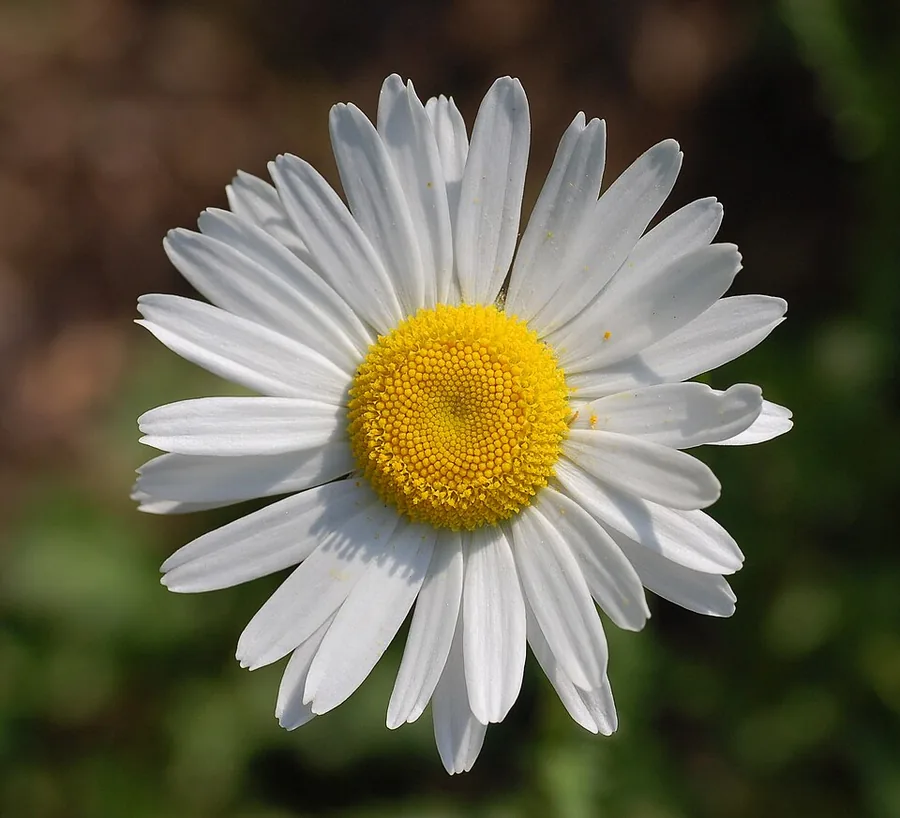
The oxeye daisy is the bright white daisy that lights up summer roadsides and meadows, white rays spinning around a sunny yellow eye. It rides in the daisy family and traveled out of Europe and Asia long ago, then settled in across cool temperate regions and never looked back. It is tough as they come, brushing off poor soil and cold that flattens fussier perennials.
It grows about as easily as any plant going, and that is exactly the twist to watch. Turn your back and it charges off on both creeping rhizomes and heaps of seed, and a single plant can claim a whole patch of ground in a couple of seasons. Much of the western US and states like Minnesota flag it as an invasive or noxious weed, so check your local rules before it goes in the ground.
Hand it a spot you can keep tabs on and it pays you back with months of nonstop bloom and next to no work. Give it full sun and ground that drains fast, deadhead to fire off more flowers, and watch where it wanders. Where spread worries you, the sterile cultivar is the smart pick that keeps its head down.
Care
The short version: full sun and average, well-drained soil kept on the dry side. Water it only while it settles in, skip the fertilizer in decent ground, and deadhead through the season to keep the flowers rolling.
Light
Drop it into full sun and it fires off the most flowers on the sturdiest stems. It takes some afternoon shade fine, but pile on too much shade and the plants stretch, flop, and cut back on bloom.
Water
Once it grabs hold, the oxeye daisy turns drought tolerant and likes its soil on the dry to medium side. Water a new plant every 7 to 14 days while it settles, then hand it off to the weather, since soggy ground practically invites rot.
Soil
Average, well-drained soil suits it best, and it powers through poor, lean ground that stops other perennials cold. A slightly acidic to neutral pH of 6.5 to 7.0 is the sweet spot, but drainage counts for way more than the exact number.
Temperature
This is a cold-hardy perennial that shrugs off a range from about -40°F to 90°F (-40°C to 32°C). The deep winter cold of zones 3 to 8 does not slow it down, and it springs back from the base every year.
Humidity
Ordinary outdoor humidity is a non-event, so there is no level to chase. Air movement is the thing that counts, because still, damp air around crowded clumps is what kicks off leaf spot.
Feeding
In average soil the oxeye daisy wants no feeding at all, and rich ground only makes it floppy and even keener to spread. If the soil is truly poor, one light, balanced feed in the growing season is plenty.
Pruning
Deadhead the spent flowers through the season to push out fresh bloom and, just as handy, to slam the brakes on the heavy self-seeding. Once flowering winds down, cut the stems back to the low basal leaves to tidy the clump.
Size & spacing
Plants shoot up 1 to 3 feet (30 to 91 cm) tall with a spread of 12 to 24 inches (30 to 61 cm), so hand each one room to breathe. Crowded clumps trap damp air and invite leaf spot, so a little space pays off.
When to plant
The oxeye daisy powers through zones 3 to 8 and laughs off hard cold. Kick off seed indoors 6 to 8 weeks before your last frost, set plants out once the soil warms in spring, and the white daisies pop from May through August.
Northern hemisphere
Southern hemisphere
Typical months for a temperate climate: start earlier in warm zones, later where spring frosts linger.
- Sow: 6 to 8 weeks before last spring frost
- Plant: After last spring frost once soil has warmed
- Harvest: Blooms May through August
Hardiness
USDA hardiness zones: 3–8
Temperature: down to -40°C
Troubleshooting
This is a rugged plant, so trouble rarely shows, and when it does it almost always traces to wet, crowded conditions. Most of what turns up is a fungus or a handful of sap-feeding bugs. Match what you spot below and jump on it early, while a quick move still wins.
The whole plant wilting and yellowing as growth grinds to a halt
A plant that wilts all over, yellows, and quits growing has run into verticillium wilt, a soil fungus that plugs the stem from within and marches up from the lower leaves. Nothing turns it around once it digs in, so pull those plants and destroy them without delay. Then sharpen the drainage and keep susceptible species out of that ground so it does not get a second foothold.
Fix:
- Remove and destroy affected plants
- Avoid replanting susceptible species in the same soil
- Improve drainage
The plant keeling over with rot at the base of the stem
Soft, rotted stems right at the soil line spell stem rot or southern blight, which pounce on warm, wet ground that drains too slowly. Yank and toss the infected plants before the rot races through the rest. Then fix the drainage and pull the mulch back off the crown so the base dries out and stays that way.
Fix:
- Remove and discard infected plants
- Improve drainage and reduce moisture at crown
Brown or black spots breaking out across the leaves
Those dark spots are fungal leaf spot, and it fires up in humid, crowded plantings and pushes harder after a wet spell. Snap off the marked leaves and throw the clump wide open by thinning or dividing it so air rushes through. Aim your water at the base instead of over the top, and you shut the door on it fast.
Fix:
- Remove affected foliage
- Improve air circulation by thinning or dividing clumps
- Avoid overhead watering
Twisted new growth with bugs swarming the stems and buds
Warped new shoots and bugs packed onto the stems mean sap feeders such as aphids, mites, or leaf miners have arrived, and the winding trails on the leaves give the miners away. Hit them with a sharp blast of water and most of them fly right off. Bring out insecticidal soap only if they charge back, and let the garden's predators mop up the rest.
Fix:
- Spray off with water
- Apply insecticidal soap if persistent
Toxicity
Treat the oxeye daisy as a mild irritant, not some serious poison. Its leaves and flowers hold sesquiterpene lactones that can hand a pet a sour stomach and leave sensitive skin itchy, but a stray nibble rarely does real damage. Keep pets from grazing on it, and pull on gloves if your skin flares up.
Toxic to
Cats · Dogs · Horses · Rabbits · Livestock · Birds · People
Cats Mild
A cat that chews the leaves or flowers may drool, throw up, or run loose stools, and the sap can leave its skin itchy. Good news is the upset stays mild and clears right up once the plant lands somewhere out of reach.
Dogs Mild
Dogs land in the same spot, with drooling, a churning stomach, and every so often a wobbly, off-balance walk after a big mouthful. Most cases stay mild, but ring the vet if a large amount goes down.
Horses Mild
The sesquiterpene lactones packed into the foliage can hand a horse a sour stomach and some mild, colic-like discomfort. Handily, horses usually stride right past the bitter plant unless there is little else to graze.
Rabbits Caution
Keep this one clear of a rabbit's plate, since the daisy compounds can rattle its sensitive digestion. A stray nibble rarely does real harm, but there is no reason to serve it up on purpose.
Livestock Caution
Cattle, sheep, and goats mostly graze right around the bitter foliage, so real poisoning stays uncommon. The bigger headache is the way it shoulders out better pasture, far more than the mild upset it can bring on.
Birds Caution
Little points to serious harm in birds, but the same irritant compounds make it smart to keep pet birds from picking at the leaves and flowers.
People Caution
Handling the leaves and flowers can leave sensitive skin red and itchy with a contact rash, so slip on gloves. It is not grown for eating, so keep it well out of reach of small children who might taste it.
Contact with leaves and flowers can cause mild contact dermatitis in sensitive individuals.
Helpline numbers

United States
ASPCA Animal Poison Control: (888) 426-4435 (fee applies)
Poison Control: (800) 222-1222



Canada
Poison Centres: 1-844-764-7669
Varieties
Only a couple of forms show up in gardens, and picking between them comes down to one thing: how much you want it to run.
May Queen ('Maikonigin')
A crisp, upright pick that shoots to about 2 feet (60 cm) and throws out large single white daisies, and because it is reportedly sterile and grown only from divisions, it holds its spot instead of running.
Leucanthemum vulgare (species)
The wild type fires off 1.5 to 2 inch (4 to 5 cm) white-rayed flowers around a yellow eye and takes off fast, spreading by both rhizomes and seed.
How to propagate
The oxeye daisy multiplies almost too eagerly, from both seed and division, a real bonus in a wild corner and a scramble anywhere you want it to hold still.
SeedEasy
Sow in spring after frost or start indoors 6 to 8 weeks before last frost · Germinates in 1 to 3 weeks; blooms by second season
Seed is the go-to, and it takes off fast. Scatter it outdoors once frost lifts, or jump ahead indoors 6 to 8 weeks early, and it sprouts in 1 to 3 weeks before bursting into flower in its second season. Just watch out, because it self-seeds hard and its seed can hang on alive in the soil for decades, which is a huge part of why it turns invasive.
DivisionEasy
Spring or early fall, every 2 to 3 years · Reestablishes within one season
Dig up and split the clumps every 2 to 3 years in spring or early fall to keep them charging along, and the divisions snap right back within a single season. Keep this in mind: even a scrap of rhizome left behind will sprout again, so root out the fragments if you mean to keep it reined in.
Myths
The oxeye daisy is just the garden Shasta daisy wearing a different name, so plant it anywhere.
Not so, they are two separate plants. The oxeye daisy tears along by rhizomes and seed and lands on invasive or noxious weed lists across many regions, while the clump-forming Shasta daisy stays right where you plant it. Sort out which one you are holding before it goes in the ground.
Daisies are completely safe and cannot bother pets.
Not quite, since plants in the daisy family pack sesquiterpene lactones and pyrethrins that can spark mild vomiting, drooling, loose stools, and skin irritation in cats and dogs. The reaction usually stays mild, but it is real, so keep pets from grazing.