Tree · Rosaceae
Peach
Prunus persica
Give it full sun, sharp drainage, and a hard yearly pruning, and a peach tree pays you back in summer fruit.
Full sun
Every 7–14 days
USDA 5–9
15–25 ft · 4.6–7.6 m
Overview
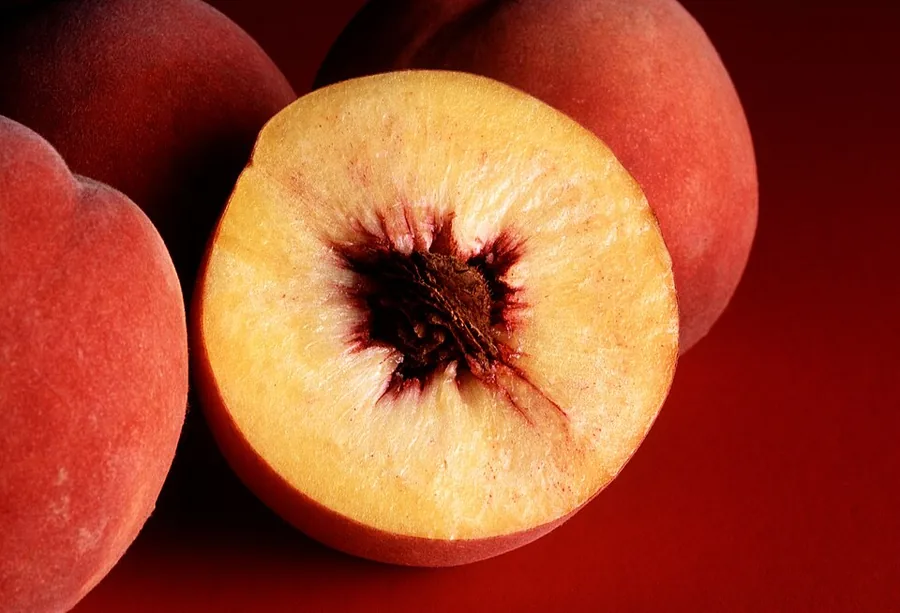
Plant a peach in a sunny corner and it fires up a whole summer of fruit, ripening from about mid-June through mid-September depending on the cultivar. This rose-family tree races upward, hitting 15 to 25 feet (4.6 to 7.6 m) tall and about as wide, though a bit of pruning keeps most trees comfortably in bounds. That early pink spring bloom alone makes it a tree worth planting.
Peaches crave warmth, but they demand a genuine winter right alongside it. They thrive across USDA zones 5 through 9, soaking up the chill they need to flower while dodging the deepest cold. The one hurdle in colder gardens is late frost, which can knock out an early bloom, so line up a cold-hardy cultivar and a sheltered spot and stay ahead of it.
This is a tree that rewards a grower who rolls up their sleeves. It runs on full sun, sharp drainage, and a firm yearly pruning to stay open and cranking out fruit, and it draws a short cast of fungal diseases and borers that keep a keen eye busy. Nail the basics and a single tree pumps out more peaches than one household can ever eat.
Care
The short version: full sun and fast-draining sandy loam, a deep soak every week or two during dry spells, and an open-center pruning each late winter to keep light and air ripping through the canopy.
Light
A peach runs on full sun, and the more it drinks in the better, both to pack sugar into the fruit and to dry off the damp that breeds disease. Drop it in the most open, sunniest spot you have, well clear of buildings and bigger trees that throw shade.
Water
Soak the tree deeply every 7 to 14 days when rain runs dry, and keep it going through the first two years and while the fruit is sizing up. The one thing a peach flat-out rejects is wet feet, so sharp drainage beats steady moisture every time.
Soil
A peach takes off in well-drained sandy loam, since standing water rots the roots faster than nearly anything else can. Steer the soil pH toward 6.0 to 7.0, close to neutral, right where the tree grabs nutrients best.
Temperature
Peaches ride out a huge swing, from about -15°F to 100°F (-26°C to 38°C), but they still bank on winter chill to set flower buds and hate a late spring frost on open bloom. A sheltered site knocks the edge off both extremes.
Humidity
Plain outdoor air around 40% to 70% keeps a peach perfectly happy. Air flow is the real game, since humid, crowded growth throws open the door to leaf curl and brown rot, so prune to keep that canopy wide open.
Feeding
Feed in spring with a balanced 10-10-10 fertilizer once a season, then chase it with calcium nitrate after fruit set to power the crop. Ease off the nitrogen, though, or you'll push soft, leafy growth that disease dives straight into.
Pruning
Prune hard every late winter to early spring, training the tree into an open-center, vase-like shape. Slice out the crossing, dead, and overly vigorous shoots so sun and air blast through the whole canopy, the single best defense the fruit has against disease.
Repotting
Peaches are ground-grown trees, not houseplants, so there is no repotting cycle to chase. Plant it once in the right spot and the tree stakes its claim for good.
Size & spacing
Count on a mature tree to shoot up 15 to 25 feet (4.6 to 7.6 m) tall and spread about as wide, though pruning keeps most home trees more manageable. Hand it that full spread of open room so light and air can rip through the branches.
When to plant
Peaches head into the ground dormant and bare. Get the trees planted in late winter to early spring, before the buds break, and they dig in fast, burst into bloom that spring, and pump out fruit right through summer, roughly mid-June into mid-September depending on the cultivar.
Northern hemisphere
Southern hemisphere
Typical months for a temperate climate: start earlier in warm zones, later where spring frosts linger.
- Plant: Plant dormant bare-root trees in late winter to early spring (about December to mid-March in mild regions).
- Harvest: Blooms in spring; fruit ripens in summer (about mid-June to mid-September depending on cultivar).
Hardiness
USDA hardiness zones: 5–9
Temperature: down to -29°C
Troubleshooting
Most peach trouble is fungal or bores straight into the wood, popping up on the spring leaves, the ripening fruit, or low on the trunk. Jump on these early and the tree shakes them right off. Match what you see below, then move while it still counts.
Brown rot spreading across blossoms and ripening fruit
Brown rot, powered by Monilinia fungi, blackens the blossoms and then charges through the ripening fruit, throwing up tan-gray spore tufts and leaving shriveled mummies clinging to the branches. Those mummies smuggle the disease straight into next year, so strip them off and cut away every scrap of infected wood. Then open the canopy wide for air flow and hit it with fungicide at bloom and again as the fruit takes on color.
Fix:
- Remove mummies and infected tissue, improve air flow, and apply fungicide at bloom and as fruit ripens.
Gummy sap and frass at the base of the trunk
Spot gummy sap mixed with sawdust-like frass down at the soil line and the peachtree borer has moved in, the larva of the clearwing moth Synanthedon exitiosa carving tunnels under the bark. Ignore it and those larvae girdle a young tree fast. So track the trunk base all season, dig out every larva you turn up, and time labeled trunk treatments to hit the moths right when they fly.
Fix:
- Monitor at the trunk base, remove larvae, and use labeled trunk treatments timed to moth flight.
Reddened, puckered, curling new leaves in spring
Those thick, blistered, red-flushed spring leaves that pucker and then drop are peach leaf curl, driven by the fungus Taphrina deformans when spring turns cool and wet. Good news for anyone eager to fix it: this one hangs on timing far more than sweat. Lay down a single dormant fungicide before the buds break and you usually shut it down cold, saving a second spray for the wettest of springs.
Fix:
- Apply a dormant fungicide before bud break; one application usually controls it, with a second in very wet years.
Toxicity
The ripe flesh is safe and downright delicious, but the rest of the tree is genuinely dangerous to animals, so stay sharp. The leaves, stems, bark, and pit pack cyanogenic glycosides that release cyanide, and wilted leaves are the worst offenders of the bunch. Keep prunings, fallen foliage, and discarded pits well away from dogs, cats, horses, and grazing livestock.
Toxic to
Cats · Dogs · Horses · Rabbits · Livestock · Birds
Safe for
People
Cats Toxic
The leaves, stems, and pit pack cyanogenic glycosides that release cyanide, so a cat chewing them runs a real risk. A poisoned cat can flash brick-red gums, blown-open pupils, and hard, panting breaths before dropping into shock. The ripe flesh is harmless, but corral the pit, since a swallowed stone can choke a cat or jam the gut.
Dogs Toxic
A dog that chomps peach leaves, twigs, or a cracked pit pulls in cyanide from those same glycosides. Keep sharp watch for bright red gums, heavy panting, breathing trouble, and a sudden crash in energy. The pit is its own hazard too, since dogs bolt them whole and they can wedge in the intestines.
Horses Toxic
For horses, wilted leaves top the danger list, because drooping, damaged foliage dumps cyanide fastest. A grazing horse can crash within minutes, flaring its nostrils, flashing brick-red gums, staggering, and going down. Run your fencing well clear of prunings and any branches a storm knocks loose.
Rabbits Toxic
Rabbits should never nibble peach leaves, bark, or twigs, since every one of them carries the cyanide-releasing compounds. In a body this small, even a little can spark breathing distress and a fast collapse. Hand over nothing more than the odd bite of ripe, pitted flesh, and keep clippings clear out of the hutch.
Livestock Toxic
Cattle, sheep, and goats hit the danger zone when wilted peach leaves blow into a pasture after pruning or a storm. Graze that fallen foliage and fast cyanide poisoning can strike, with gasping breath, red mucous membranes, and, at its worst, sudden death. Haul cut branches well away from any patch they graze.
Birds Caution
The leaves, stems, and pit carry those same cyanogenic glycosides, so steer birds clear of every one. A bite of ripe flesh makes a fine treat, but the pit and the kernel packed inside it do not. Serve up pitted fruit only, and never let a pet bird go foraging through cuttings.
People Ripe flesh safe
The ripe peach is a summer staple and a joy to eat. Just leave the pit be and never crack it for the kernel, since the seed and the leaves pack cyanide-releasing amygdalin. Coach children to spit out or set aside the stone rather than bite into it.
Keep prunings, fallen leaves, and discarded pits away from pets, horses, and children; the ripe fruit flesh is safe.
Helpline numbers

United States
ASPCA Animal Poison Control: (888) 426-4435 (fee applies)
Poison Control: (800) 222-1222



Canada
Poison Centres: 1-844-764-7669
Varieties
Hundreds of peach cultivars are out there, sorted mostly by ripening season and by how cleanly the flesh peels off the pit. These few are the ones worth knowing by name.
Redhaven
This widely adapted early-to-midseason yellow freestone is the standard reference peach that growers rally around and measure the rest against.
Elberta
This classic late-season yellow freestone is the heirloom that has powered its way to benchmark status across generations.
O'Henry
This firm, late-season yellow freestone rules the fresh market because it holds its shape and keeps so well.
Contender
This cold-hardy freestone brings dependable bud hardiness that pushes peach growing right into colder zones where others give out.
How to propagate
Peaches don't come true from seed, so nearly every named tree you grab was budded onto a rootstock. Here is how that works, and why raising one from a pit is a roll of the dice.
GraftingModerate
Named cultivars get propagated by budding, either chip or T-budding, onto a seedling rootstock, and it is a genuinely satisfying skill to pick up. That move locks the new tree true to type, since a peach grown from its own seed won't reliably follow its parent.
SeedModerate
Hand a peach seed a good spell of cold stratification and it will finally sprout. The seedlings won't come true to type, so growers mostly raise them as rootstock to bud a known cultivar onto, rather than count on them as fruiting trees.
Myths
You need two peach trees to get fruit.
Plant one and celebrate, because most peaches are self-fruitful and pollinate their own blossoms to set a full crop solo. A single tree fruits like a champ with no second one standing by as a pollinizer.
The whole peach is poisonous to people.
Dig into that ripe flesh with zero worry, since it is exactly the prize you grow the tree for. Only the stems, leaves, and the seed inside the pit carry cyanogenic amygdalin, so just keep the stone and foliage out of the kitchen and enjoy.