Houseplant · Araceae
Xanadu Philodendron
Philodendron xanadu
Give it bright, indirect light and steady moisture, and this self-heading philodendron powers a corner to life with hardly any effort.
Bright indirect
65–75°F · 18–24°C
USDA 9–11
2–5 ft · 0.6–1.5 m
Overview
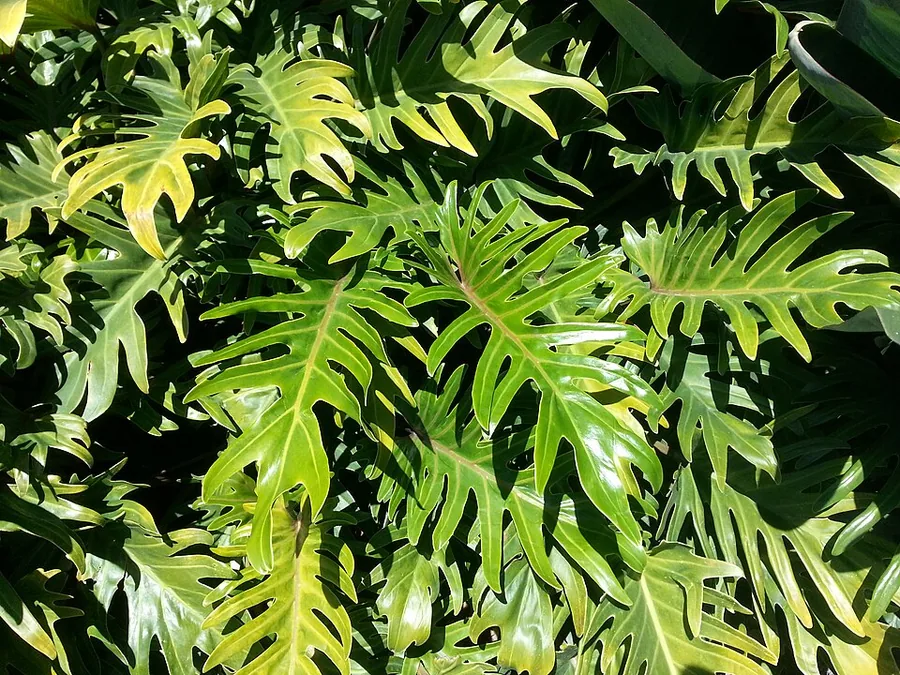
The Xanadu philodendron is a compact, self-heading houseplant that grows for its deeply lobed, glossy green leaves, and it is a joy to bring on. It sits in the arum family and springs from Philodendron bipinnatifidum, yet it earns its place as a patented selection all its own. Indoors it builds a tidy, rounded clump that holds its shape on its own, so no staking or training ever slows you down.
The real draw is how forgiving it is, which makes growing it feel rewarding from day one. It thrives in bright indirect light but happily takes the shadier corners that stop fussier plants cold, and a short dry spell between waterings barely registers. Give it a warm room and a pot that drains, and it charges ahead mostly on its own.
Size is the one thing to plan for, and it pays off big. A mature plant flings out 3 to 6 feet (91 to 183 cm) of spread, so hand it floor space instead of a crowded shelf. Give it that room and you get a full, architectural plant that seizes its footprint and runs with it.
Care
The short version: bright indirect light, soil kept evenly moist but never soggy, and a warm room between 65°F and 75°F (18°C to 24°C). Feed monthly through spring and summer, give it room to spread, and watch it take off.
Light
Give it bright, indirect light and it rewards you with the fullest, most compact growth. It shrugs off partial shade and even deep shade better than most houseplants, but push it into true gloom and the leaves spread out and the plant runs leggy. Keep it clear of harsh midday sun, which scorches the foliage.
Water
Keep the soil evenly moist while the plant is charging through active growth, letting the surface dry just slightly between waterings. Its moderate drought tolerance means a brief dry spell rolls right off it, but standing water is another story. Overwatering is the number one cause of yellow leaves, so stay ahead of it.
Soil
Plant it in a rich, humus-heavy mix that grips moisture yet drains freely. It is not picky about texture and takes off in sand, loam, or clay, and it runs with anything from acidic to slightly alkaline. The one thing it will not forgive is a pot that stays waterlogged.
Temperature
Indoors it loves a steady 65°F to 75°F (18°C to 24°C), ordinary room warmth for most homes. It carries no frost tolerance, so keep it clear of cold drafts and chilly windowsills once winter hits.
Humidity
Average household humidity keeps it going, so there is no number to chase. A little extra moisture in the air keeps the foliage looking sharp and holds spider mites at bay, since those pests love hot, dry rooms.
Feeding
Feed monthly with a balanced liquid houseplant fertilizer through spring and summer, right when the plant is pumping out new growth. Ease off through fall and winter as growth slows. Steady, light feeding drives it further than the occasional heavy dose.
Pruning
This is a low-maintenance plant that needs almost no shaping thanks to its self-heading habit. Just clip old, yellowed, or damaged leaves at the base as they turn up. Pull on gloves or wash up afterward, since cut stems leak an irritating sap.
Repotting
Repot every 1 to 2 years, or the moment you catch roots pushing through the drainage holes, growth stalling, or water running straight through the pot. Bump it up to the next pot size with fresh mix in spring. The wide-spreading clump digs into the extra root room and takes off.
Size & spacing
A mature plant shoots to 2 to 5 feet (61 to 152 cm) tall and flares a generous 3 to 6 feet (91 to 183 cm) across. Give it floor space and room for air to sweep around the clump rather than squeezing it onto a crowded shelf.
Troubleshooting
Most trouble with this plant starts at the roots or flags first on the leaves, and nearly all of it turns around fast once you spot it. Overwatering leads the pack, with a few common houseplant pests chasing behind. Match what you see below and jump in early.
Yellowing that starts down low and marches upward
Yellow leaves that begin at the bottom and work their way up almost always signal overwatering, not a hungry plant. The roots are stuck in soggy soil with nowhere for the water to go, so they stall. Turn it around fast: let the top of the mix dry before the next watering, get that pot draining freely, and snap off the worst leaves at the base.
Fix:
- Allow soil to dry slightly before next watering
- Ensure the pot and soil drain freely
- Remove badly yellowed leaves at the base
Speckled, bronzed leaves strung with fine webbing
Speckling that dulls to a bronze cast plus fine webbing spells spider mites, and hot, dry air rolls out the welcome mat for them. Flip a leaf and catch the tiny specks scurrying around with thin webs on the underside. Jump on it: rinse the foliage, wipe every leaf, hit it with insecticidal soap or horticultural oil, and pull the plant away from the others until it bounces back clean.
Fix:
- Rinse foliage and wipe leaves clean
- Treat with insecticidal soap or horticultural oil
- Isolate the affected plant
Cottony white tufts or brown bumps oozing a sticky film
White cottony clumps flag mealybugs, and the little brown limpet-like bumps gripping the stems are scale, and both trail a sticky honeydew as a giveaway. Go after each one with an alcohol-soaked swab, then follow up with insecticidal soap or horticultural oil. Keep hitting it every round until no fresh bugs show up, and the plant powers right back.
Fix:
- Dab insects with an alcohol-moistened swab
- Apply insecticidal soap or horticultural oil
- Repeat treatments until clear
Fresh growth twisting under a crowd of tiny insects
Soft-bodied aphids swarm the tender new leaves, and slender thrips rasp away and leave a silvery stippling behind. Blast the aphids off with a stream of water, follow with insecticidal soap, and cut out any growth that is truly overrun. Ease off the fertilizer for a bit, because a burst of soft new shoots is exactly the buffet these pests come running for.
Fix:
- Rinse off aphids with a stream of water
- Treat with insecticidal soap
- Remove heavily infested growth
Dark spots popping up across the foliage
Separate brown spots, some ringed with a yellow halo, trace back to fungal leaf-spot that gets going on wet leaves. Damp, humid air is where it really takes off. Strip the marked leaves, open the plant up so air rushes through, and water down at the soil so the foliage dries fast and stays clear.
Fix:
- Remove affected leaves
- Improve air circulation
- Avoid wetting foliage when watering
Toxicity
This is a toxic plant, so handle it with care around pets, livestock, and children. Every part packs insoluble calcium oxalate crystals that burn the mouth and throat the second they are chewed, setting off drooling, swelling, and trouble swallowing. No part is edible, and even the sap can irritate skin and eyes, so wash your hands after pruning.
Toxic to
Cats · Dogs · Horses · Rabbits · Livestock · Birds · People
Cats Moderate
One bite into a leaf fires off sharp calcium oxalate crystals that sting a cat's mouth on the spot. Expect heavy drooling, pawing at the muzzle, vomiting, and trouble swallowing to follow fast.
Dogs Moderate
A chew sets off a fierce burning across the lips and tongue, with drooling and retching right on its heels. Most dogs spit the plant out in a hurry, though, which usually stops them from eating much.
Horses Toxic
Those same crystals inflame a horse's mouth and throat and leave it drooling and put off its feed. A single mouthful can push the tongue and lips into swelling, so keep it far from any paddock.
Rabbits Toxic
The crystals hit a rabbit's mouth and gut just as hard, so keep the foliage way out of nibbling range. A hurting rabbit often quits eating altogether, and that alone spells real trouble.
Livestock Toxic
Goats, sheep, and cattle that browse the leaves run into the same burning mouth and digestive upset. One stinging bite usually sends them packing, but it pays to fence it off anyway.
Birds Caution
A bird that pecks at it can pick up the same oral irritation and drooling from the crystals. Keep cages and perches nowhere near the plant and you head that off entirely.
People Caution
No part of this plant belongs on a plate. A chewed leaf burns the mouth and can puff up the lips and tongue, and the sap stings skin and eyes, so wash your hands the moment you finish handling cut stems.
Sap can irritate skin, eyes and mucous membranes; wash hands after pruning or handling cut stems
Helpline numbers

United States
ASPCA Animal Poison Control: (888) 426-4435 (fee applies)
Poison Control: (800) 222-1222



Canada
Poison Centres: 1-844-764-7669
How to propagate
This philodendron is a breeze to multiply at home, whether you split an established clump or root a cutting taken from the base, and both routes reward you fast.
DivisionEasy
Spring to summer · A few weeks to re-establish roots
Division is the fastest way to turn one plant into several, and that clumping, self-heading habit practically hands you the sections. Pop an established plant out of its pot in spring or summer and tease it into rooted pieces, each carrying its own offsets. In just a few weeks the divisions dig in and fire out fresh roots, ready to grow on.
Stem cuttingsModerate
Spring to summer · Several weeks to root
Rooting stem cuttings is a fun second route, and the Missouri Botanical Garden lists it right alongside seed. Snip a basal cutting that carries a node in spring or summer, then give it several weeks to root down. Most plants for sale come from tissue culture rather than this method, but it works a treat at home and it is worth the wait.
Myths
After the reclassification, Thaumatophyllum xanadu is the only correct name for Xanadu.
A 2018 study really did shift several Philodendron species into Thaumatophyllum, but the debate is still wide open. Kew's Plants of the World Online keeps Philodendron xanadu as the accepted name and parks Thaumatophyllum xanadu as a synonym, so the genus placement stays contested between authorities.
Xanadu is nothing but a dwarf form of split-leaf philodendron.
Think again, because it is a selection all its own, trademarked XANADU and patented as 'Winterbourn' under US plant patent PP7030. It sprang from seed of Philodendron bipinnatifidum with unknown parentage, and Kew counts it as its own species rather than a shrunken selloum.