Ornamental · Verbenaceae
Verbena
Verbena canadensis
Set verbena in hot sun and soil that drains in a hurry, and it rewards the effort with wave after wave of bloom from spring clear into fall.
Full sun
Every 5–7 days
USDA 6–10
8–18 in · 20–46 cm
Overview
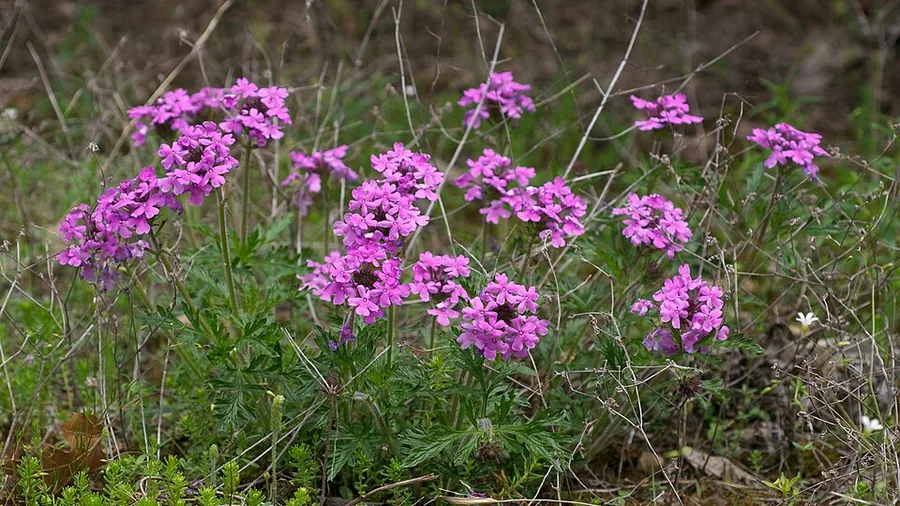
Verbena pays you back with months of nonstop bloom on plants that ask for almost nothing. Rose verbena, a low, spreading perennial native to North America, sends up clusters of bright flowers from late spring deep into fall. Get it settled and it just keeps going, which is why it shows up in beds, along borders, and cascading over the lip of a pot.
The genus runs the whole range, from low groundcovers to the tall, wiry Verbena bonariensis, and nearly all of them chase the same things: heat, sun, and fast-draining soil. Better yet, they call in bees and butterflies all season, so a patch of verbena works double duty as color and a buzzing pollinator stop. Plenty of the garden types are short-lived perennials, putting on a great show for a couple of years before you swap in fresh ones.
Verbena thrives on a hands-off gardener as long as the basics are locked in. Plant it where the sun blazes and water never sits, and it flowers away with barely a nudge from you. Crowd it into shade or damp ground, though, and those flowers turn into mildew and rot.
Care
The short version: full sun and sharp drainage lead the way. Water about an inch a week to keep the blooms rolling, feed a couple of times through the growing season, and deadhead or shear it back to keep the flowers firing.
Light
Verbena craves full sun, and the more it soaks up the better, flowering hardest through a long day of direct light. It will take a little afternoon shade, but load on too much and the blooms thin out while mildew moves in.
Water
Once established, verbena turns drought tolerant and shrugs off a dry spell, though it blooms best with about an inch of water a week. Water deeply once a week when rain falls short, always at the base rather than over the leaves, and never let the soil stay soggy. Plants in pots dry out faster, so watch those more closely.
Soil
Set it in well-drained sandy or loamy soil, because wet feet are the one thing verbena flat-out refuses. It powers through poor and rocky ground and copes across a wide pH range of 6.0 to 8.0, but a soggy, poorly drained spot will rot it out.
Humidity
Plain outdoor air is all it wants, so skip fussing over humidity. What really counts is airflow, since still, muggy conditions are exactly where mildew and botrytis get their foothold.
Feeding
Feed with a complete fertilizer such as 16-4-8 in mid to late spring, then hit it again after you cut it back. Verbena is no glutton, and that extra feeding really earns its keep only in very sandy soils.
Pruning
Pinch the tips at planting for a bushier plant, and deadhead through the season to keep the flowers coming. When bloom slows in midsummer, shear the whole plant back by about a quarter, then water and feed it lightly, and the flowers roar back in 2 to 3 weeks. Ease off in fall and save the hard pruning for spring, since a deep fall cut can strip the plant of its cold hardiness.
Size & spacing
Rose verbena stays low, running 8 to 18 inches (20 to 46 cm) tall and spreading 12 to 24 inches (30 to 61 cm) wide. Give each plant that full spread so air moves through and the spreading habit races to fill in.
When to plant
Verbena runs on warmth and folds at the first frost, so hold off until the cold clears out. Start seed indoors in late winter, or set transplants out once the soil has warmed, and the flowers charge on from spring through fall until the season wraps.
Northern hemisphere
Southern hemisphere
Typical months for a temperate climate: start earlier in warm zones, later where spring frosts linger.
- Sow: Start seed indoors 6 to 8 weeks before the last spring frost
- Plant: Set plants out after the last spring frost once soil has warmed
- Harvest: Blooms spring through fall (April to September in North Carolina)
Hardiness
USDA hardiness zones: 6–10
Temperature: down to -23°C
Troubleshooting
Nearly every verbena hiccup comes back to too much shade or too much water. Scan the leaves, flowers, and base of the plant early, and a fast change usually flips things around. Match what you spot below, then move before it spreads.
Stems keeling over and rotting at ground level in soaked soil
A plant wilting in soil that stays wet is waving a red flag for root rot from Pythium or Rhizoctonia, or for southern bacterial wilt digging into waterlogged ground. There is no rescuing one this far gone, so pull it and bin it without hesitation. Sort out the drainage, then replant healthy stock somewhere water drains clean away.
Fix:
- Improve drainage and stop overwatering
- Remove and discard affected plants
- Replant healthy stock in well-drained soil
White dusty film racing across leaves and stems
That white dust means powdery mildew has moved in, and it strikes plants stuck in shade, packed together, or left too dry. Turn it around fast: open the planting to more sun and moving air, and aim your water at the base instead of the leaves. Strip off the worst-coated foliage and you knock the fungus right back.
Fix:
- Move or thin plants to improve sun and air flow
- Avoid overhead watering and water at the base
- Remove and discard severely affected foliage
Yellowing, speck-dotted leaves with the first threads of webbing
Hot, dry weather fires up spider mites, and they pounce on thirsty plants first. Fight back with a hard spray of water to knock them loose, and keep the soil moist so the plant never gets stressed enough to attract them. If a stubborn few cling on, insecticidal soap or horticultural oil finishes the job.
Fix:
- Rinse foliage with a strong spray of water
- Keep plants adequately watered to reduce stress
- Treat persistent infestations with insecticidal soap or horticultural oil
Blooms browning fast under a fuzzy gray coat
Damp, humid weather wakes up botrytis blight, browning the blooms and coating them in gray fuzz. Jump on it: pull off the spoiled flowers and clear the debris, and keep deadheading so tired petals never sit and rot. Open up the airflow and dry the foliage, and it loses its grip.
Fix:
- Remove and discard affected flowers and debris
- Improve air circulation and reduce overhead moisture
- Deadhead spent blooms promptly
Toxicity
Great news for pet owners and parents: garden verbena is safe. The ASPCA does not list the genus Verbena as toxic to cats, dogs, or horses, so a stray nibble is nothing to sweat. Just don't muddle it with lemon verbena or lantana, the so-called shrub verbena, which are separate plants and are toxic.
Safe for
People · Cats · Dogs · Horses · Rabbits · Livestock · Birds
Cats None
Cats can prowl the border freely, because the ASPCA does not list garden verbena as toxic. A curious nibble will not poison them.
Dogs None
Dogs get the all-clear around verbena, since it stays off the ASPCA toxic list. Wolf down a big mouthful of any plant, though, and a dog might get a mild, passing stomach upset.
Horses Safe
Horses grazing close by run no known danger from verbena.
Rabbits Safe
Rabbits can browse garden verbena safely, since it holds no toxins that affect them.
Livestock Safe
Cattle, goats, and sheep can graze right alongside verbena with nothing to fear from it.
Birds Safe
Birds stay safe around the plant, and pollinators pour into the flowers without any harm.
People Safe
Garden verbena is not toxic to people either. It earns its keep as an ornamental, not a food crop, so there is no reason to eat it.
Varieties
Verbena spans a huge range, from trailing groundcovers to tall, airy stems. Here are the types you will bump into most.
Homestead Purple
A powerhouse trailing rose verbena that throws out glowing purple flowers from late spring straight through fall and brushes aside most abiotic disorders.
Verbena bonariensis (Purpletop vervain)
A tall, see-through species that rockets to 2 to 5 feet on slender stems tipped with airy rose-violet clusters, the look that earned it the name verbena-on-a-stick.
Verbena × hybrida (Garden verbena)
The go-to bedding hybrids, bursting into purple, red, pink, and white bloom, which most growers plant each year for warm-season color.
How to propagate
Verbena is a joy to multiply, whether you root a cutting to clone a favorite cultivar or raise a whole flat from seed.
Stem cuttingsEasy
Take softwood cuttings during the growing season · Roots in about 2 to 4 weeks
Take softwood cuttings through the growing season and watch them root in about 2 to 4 weeks. It is the surefire way to keep a named cultivar true to type, since seed will not copy the parent reliably.
SeedEasy
Start indoors 6 to 8 weeks before last frost or direct sow after last frost · Germinates and blooms the first season
Start seed indoors 6 to 8 weeks before your last frost, or sow it straight into warm ground once frost has passed, and it bursts into bloom the same season. The species types self-sow with ease, and bonariensis reseeds so heavily it charges back on its own.
Myths
Every plant sold under the verbena name will make a pet sick.
Garden verbena in the genus Verbena never lands on the ASPCA toxic plant list. The mix-up comes from lemon verbena (Aloysia) and lantana (shrub verbena), two separate plants the ASPCA really does flag for dogs and cats. The true Verbena in your bed is safe.
Verbena powers back as a perennial year after year in any garden.
Most garden verbenas are short-lived perennials, so plan to swap them in after two or three years. Where winters bite hard they do not pull through at all, which is why gardeners there grow them as annuals.