Houseplant · Dryopteridaceae
Holly Fern
Cyrtomium falcatum
Glossy, holly-shaped fronds and a pet-safe, shade-loving streak make this fern a joy to grow.
Partial shade
Every 5–7 days
50–75°F · 10–24°C
USDA 6–10
Overview
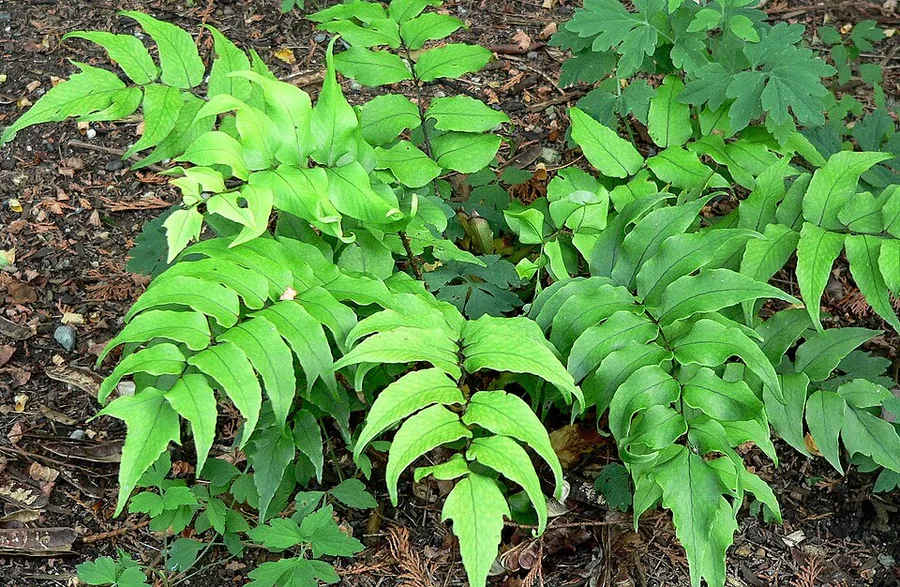
Holly fern grabs its name from fronds that split into glossy, leathery leaflets doing a spot-on holly impression. It runs in the wood fern family and hails from East Asia, where it thrives in shaded, rocky ground. Look past that holly disguise, though, because it is a true fern and shares nothing with the toxic holly shrub.
Bring it indoors and it rewards you as a tough, forgiving houseplant. The dark green fronds fan out from a central crown into a clump that keeps a modest footprint, and that thick texture shrugs off dry indoor air and low light where most ferns give up. It grows slowly, so a thriving plant keeps its shape for years and never storms the shelf.
Feed it steady moisture, shade, and a bit of humidity and it pays you back by staying safe around pets and children. Great looks plus an easygoing streak, so it is no wonder growers keep landing one on the windowsill.
Care
The short version: part to full shade, soil kept evenly moist but never soggy, warm rooms between 50°F and 75°F (10°C to 24°C), and humid air playing around the fronds.
Light
Holly fern chases part to full shade and thrives in the bright to medium indirect light of an everyday room. Steer it clear of direct sun, which scorches the fronds and drains their deep green down to a tired yellow.
Water
Keep the soil evenly moist but never waterlogged, pouring a drink roughly every 5 to 7 days once the top starts to dry. This fern will not forgive a long dry spell, so never let it bake out between waterings.
Soil
Set it into rich, humusy, well-drained loam that holds steady moisture without sliding into mud. It grabs a wide pH range from 5.5 to 7.5, so most general potting mixes deliver with a scoop of compost stirred in.
Temperature
Everyday room warmth between 50°F and 75°F (10°C to 24°C) hits the mark. Keep the plant clear of cold drafts and hot radiators, both of which dry out and crisp the frond edges.
Humidity
This humidity fan powers up at 50% to 70%. In a dry home, cluster it with other plants or perch the pot on a pebble tray, since parched air browns the frond tips first.
Feeding
All through spring and summer, feed it monthly with a balanced liquid fertilizer cut to half strength. Back off in fall and winter, when the plant slows down and barely grows.
Pruning
Skip the routine pruning entirely. Just clip off any damaged, dead, or winter-burned fronds at the base to keep the clump sharp and clear the way for fresh growth.
Repotting
Bump it up to a slightly larger pot every 2 to 3 years, or sooner once roots shove through the drainage holes and water runs straight through. A crown jamming tight against the pot wall is the other sign it is time.
Size & spacing
Indoors the clump climbs to 12 to 24 inches (30 to 60 cm) tall and fans 24 to 35 inches (60 to 90 cm) wide. Hand it some elbow room so air moves freely around the fronds and disease stays away.
Troubleshooting
Holly fern shrugs off almost anything, but a few snags can crop up indoors. Nearly all of them trace to too much water or too little airflow, and the first clues pop up on the fronds and at the crown. Match what you spot below and jump in before it spreads.
Fronds keeling over above a blackening, mushy crown
Fronds that flop over a black, mushy base call out root rot, the fallout from soil that stayed soaked. Move fast: pop the plant out and read the roots, which should feel firm and pale, not brown and sour. Cut away every soft root, drop the plant into fresh well-draining mix, and dial the watering way back so the crown never sits wet again.
Fix:
- Remove the plant and trim away all soft, blackened roots
- Repot into fresh, well-draining humusy mix
- Reduce watering and ensure the container drains freely
Tan bumps, gluey residue, and yellow streaks on the stalks
Spot raised brown or tan bumps riding the stalks and you have caught scale insects, and the white cottony tufts packed into the leaf joints are mealybugs. Both tap the fronds for sap and leave a sticky honeydew that pulls in ants and sooty mold, so jump on them early. Wipe them off with soapy water or knock them back with a dab of 70% alcohol, coat the frond undersides with horticultural oil, and park the plant on its own until it bounces back clean.
Fix:
- Wipe off insects with a cloth dipped in soapy water or 70% isopropyl alcohol
- Treat with horticultural oil or insecticidal soap, covering frond undersides
- Isolate the plant until the infestation clears
Dark speckling breaking out over the foliage
Discrete brown or black spots, often ringed or water-soaked, flag fungal leaf spot moving in on still, damp air. Strip off the marked fronds and bin them right away. Then get air moving around the plant and water at the soil line so the foliage dries fast and the spores run out of room to spread.
Fix:
- Remove and discard affected fronds
- Improve air circulation and avoid wetting the foliage when watering
- Apply a fungicide if spotting is widespread
Toxicity
Pet owners get a clean win here: holly fern is non-toxic straight down the roster. The ASPCA and extension sources rate it safe for cats, dogs, and horses, and as a true fern it packs none of the poison hiding in the holly shrub it mimics. Plant it wherever a curious pet or kid can reach and grow with confidence.
Safe for
People · Cats · Dogs · Horses · Rabbits · Livestock · Birds
Cats None
Cats get the all-clear here, since the ASPCA lists holly fern as non-toxic and a nibble sparks no poisoning. A cat that packs away a big helping of any plant might cough it back up, but that is the fiber talking, not a toxin.
Dogs None
Dogs can chomp the fronds and come away fine, because this true fern packs nothing poisonous. A greedy mouthful might churn up a mild, short-lived stomach upset at worst.
Horses None
Horses run into no trouble either, with zero toxic effects on record. This is the friendly true fern, not the toxic English holly that just copies its leaf shape.
Rabbits None
The fronds pack nothing that upsets rabbits, so they stay perfectly safe around the plant.
Livestock None
Grazing animals face zero poisoning risk from this fern, which carries none of the toxins loaded into true holly.
Birds None
Pet and backyard birds can perch and pick at the fronds freely, with nothing here to hurt them.
People None
Holly fern brings no poisoning risk to people or kids, though it earns its spot as an ornamental, not a snack.
No special handling required; safe to grow around pets and children.
Varieties
Most holly ferns for sale are the plain species, but a couple of named forms turn up now and then that pay off to tell apart.
'Rochfordianum'
This vase-shaped cultivar shows off arching, glossy fronds with leaflets that flare into coarsely fringed, deeply toothed edges.
var. maritimum
This compact form packs smaller, shiny dark green fronds that slot neatly into a tighter spot.
How to propagate
Holly fern multiplies slow but sure, and splitting an established clump beats waiting on spores every time.
DivisionModerate
Spring · 1-2 months
Turning one holly fern into several is a rewarding job, and division in spring is the way to go. Lift a mature clump and pull it apart so each piece keeps its own roots and several fronds, then watch the new divisions dig in over the next one to two months. The fronds do fling out spores as well, but spore-grown ferns crawl along and let you down more often, so division stays the winner.
Myths
Leaves shaped like holly prove the fern packs the same toxins.
Those leaflets flash a holly look, but the resemblance calls it quits right there. This is a true fern, Cyrtomium falcatum, while the poisonous holly is English holly (Ilex), an unrelated flowering shrub. The fern is non-toxic and safe to keep around pets and children.