Houseplant · Asparagaceae
Snake Plant
Dracaena trifasciata
Tough to kill and happy on its own, the snake plant wants bright light, dry soil, and little else from you.
Bright indirect
Every 14–42 days
55–84°F · 13–29°C
USDA 10–12
Overview
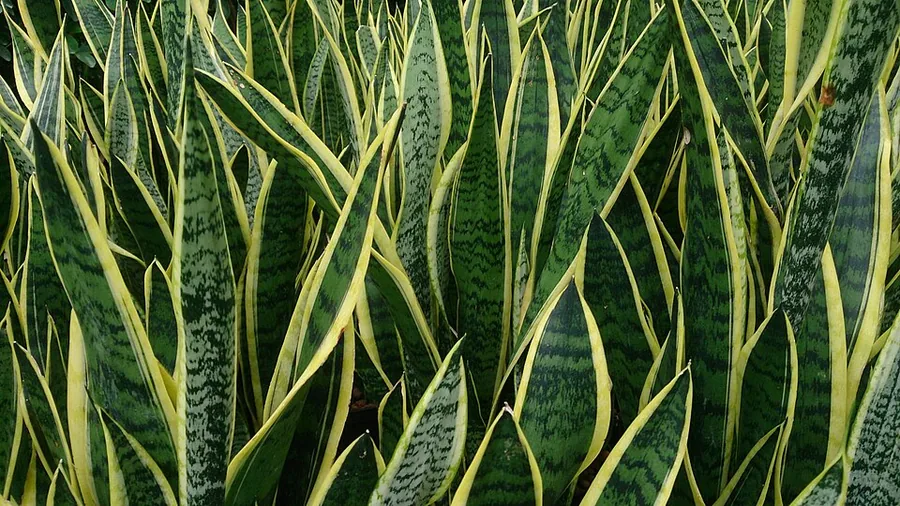
Meet the houseplant that thrives on being forgotten. Stiff, upright leaves shoot straight up from the soil in bold green bands, and the plant brushes off the kind of neglect that flattens pickier company. A while back botanists shifted it out of Sansevieria and into the genus Dracaena, though most growers still call it by the old name.
Its easygoing streak comes down to how it handles water and light. Thick leaves bank moisture like a succulent, so the plant sails through long dry stretches, and it copes with anything from a sunny window to a shadowy nook. Growth runs slow, which means a plant holds its look for ages and asks for hardly any fuss.
Two facts are worth pocketing before one moves in with you. The leaves pack saponins that sicken cats and dogs, which rules it out for a home full of nosy pets. And while it behaves in an indoor pot, set it loose outdoors in a warm climate and it charges off on underground rhizomes.
Care
The short version: bright indirect light, a gritty fast-draining mix, and a drink only once the soil dries out completely. Hold it above 55°F (13°C) and feed it lightly through the growing season.
Light
Give a snake plant bright indirect light and it really hums, yet it shrugs off low light, partial shade, and partial sun better than nearly any houseplant going. The catch is pace: the darker the corner, the slower it climbs. Keep it clear of harsh, direct afternoon sun, which sears the leaves.
Water
Here is where most snake plants meet their end, so lean dry every time. Let the soil dry out completely between drinks, which usually lands at watering every 2 to 4 weeks while it grows and only every 4 to 6 weeks come winter. Caught unsure? Hold off.
Soil
Pot it up in a well-drained sandy or cactus mix that sends water racing through instead of pooling. It stays relaxed about pH, happy anywhere from 6.0 to 8.0. A pot with a drainage hole counts for more than nailing the exact recipe.
Temperature
Plain room warmth keeps it content, anywhere across 55°F to 84°F (13°C to 29°C). Tropical at its core, it wants to stay above 55°F and far from cold drafts and frosty panes once winter rolls in.
Humidity
Everyday household air suits it just fine, and dry rooms leave it unfazed. Skip the misting and the humidifier entirely. The leaves carry their own moisture supply, so they ride out parched winter air without a fuss.
Feeding
A snake plant runs on almost no feeding. Offer a balanced all-purpose fertilizer at half strength, monthly across spring and summer, then cut it off the moment growth winds down for winter. Pile on too much and you do worse damage than skipping it.
Pruning
Pruning hardly enters the picture. Simply cut damaged or dead leaves off at the soil line with a clean blade and the plant smartens itself up. A leaf taken this way won't sprout again from the cut, so lift whole leaves rather than snipping their tips.
Repotting
Snake plants like things snug, so repot only every 3 to 5 years or once the pot is jammed. Watch for the tells: roots poking out the drainage holes, a cracked or bulging pot, or rhizomes and pups jostling at the surface. Bump it up a single pot size into fresh gritty mix.
Size & spacing
Indoors it climbs to 2 to 4 feet (60 to 120 cm) tall and fans out roughly 12 to 24 inches (30 to 60 cm) across. Hand a clump room to widen, since it steadily packs its pot with fresh upright leaves.
Troubleshooting
Nearly every snake plant headache circles back to one thing: too much water. Get a feel for reading the leaves and the base, and you'll pounce on trouble early. Spot your symptom below, then go after the cause before it races down to the roots.
Squishy bases sunk into drenched, sodden soil
Spongy bases nearly always mean root rot, and the culprit is a soggy pot. Roots that sit in a wet mix run out of air and turn black, slimy, and rank. Slide the plant out, slice off every soft root, settle it into a dry gritty mix, and ease way back on the watering can.
Fix:
- Unpot and inspect roots
- Cut away rotted tissue
- Repot in dry, gritty mix
- Reduce watering
Leaves splaying wide rather than shooting upright
Blades that fan out and topple usually have a soft, weakened base, the work of too much water or a long stretch in gloom. Test the soil and squeeze the base before you do anything. A firm base means it just wants more light, so brighten its spot; a squishy one means rot, and the roots come first.
Fix:
- Correct watering and check roots
- Move to brighter indirect light
Cottony white puffs packed into the leaf folds
Those fuzzy white pads are mealybugs, sap-drinking pests that camp in the snug spots where leaf meets soil. Touch each cluster with an alcohol-soaked swab, chase it with insecticidal soap, and park the plant apart from the rest of your collection until every last one is gone.
Fix:
- Wipe with alcohol-dipped swab
- Treat with insecticidal soap
- Isolate plant
Mottled, dulled leaves strung with silky webbing
A faint web and a dusty, pinpricked surface flag spider mites, which march in once the air turns dry. Hose the leaves down to blast the first wave off, then hit them with insecticidal soap or horticultural oil. A regular wipe-down afterward shuts the door on a comeback.
Fix:
- Rinse foliage
- Apply insecticidal soap or horticultural oil
Mushy, translucent blotches once the cold bites
Tropical roots make this plant hate the cold, so glassy, mushy scars crop up after a dip under 55°F (13°C) or a night squashed against an icy pane. Whisk it to a warm room, snip off the spoiled leaves, and steer it clear of chilly drafts all winter long.
Fix:
- Move to warm spot above 13°C / 55°F
- Remove damaged leaves
Blanched pale patches where the direct sun strikes
Washed-out, dry blotches aimed at the window spell sun scorch from blazing direct rays. This plant laps up bright indirect light but cooks under fierce afternoon sun. Pull it back from the glass into calmer indirect light, and the fresh growth pushes up clean and unmarked.
Fix:
- Move out of hot direct sun to bright indirect light
Sluggish fresh growth and a lanky, drawn-out profile
A snake plant stuck in neutral is almost always hungry for light, and it does take a winter rest on top of that. Shift it to a brighter indirect spot and it powers back up as the days stretch out. A dark corner keeps it alive, sure, but it will barely budge.
Fix:
- Move to bright indirect light
Wide leaves gone lackluster under settling dust
Those wide, flat blades act like shelves and gather dust, which mutes their color and skims off a touch of light. No drama here, and the fix takes seconds. Run a damp cloth over each leaf now and then, and that rich green shine snaps right back.
Fix:
- Wipe leaves with a damp cloth
Toxicity
Keep the snake plant well away from pets, because it is not a safe one to have underfoot. Its leaves hold natural compounds called saponins that set off drooling, vomiting, and diarrhea in cats and dogs. People shake them off, but the bitter leaves were never meant for eating, so perch the pot beyond the reach of animals and young children.
Toxic to
Cats · Dogs · Horses · Rabbits · Livestock · Birds
Safe for
People
Cats Moderate
Chew on a leaf and a cat tends to drool, then throw up, with diarrhea trailing not far behind. Saponins taste sharp and bitter, so most cats quit after one taste.
Dogs Moderate
Dogs land in the same boat, drooling and vomiting with runny stools once they swallow a chunk of leaf. Trouble rarely escalates, yet a hearty bite earns a quick ring to the vet.
Horses Caution
Those saponins churn a horse's belly just the same, though a pot perched on a windowsill stays nowhere near one.
Rabbits Caution
The bitter saponins turn these leaves into a dicey, low-value nibble for a rabbit, so stash the plant beyond hopping range.
Livestock Caution
Browsing goats, sheep, and cattle can wind up with a sour stomach from the saponins, but indoors this plant hardly ever lands in their path.
Birds Caution
A nosy pet bird might take a peck and catch the same belly trouble, so set the pot well past any perch.
People Caution
People brush off the saponins, yet the leaves taste bitter, count as no kind of food, and the sap can leave touchy skin a bit itchy. Steer little kids away from chewing them.
Sap/saponins may irritate skin; keep leaves out of reach
Helpline numbers

United States
ASPCA Animal Poison Control: (888) 426-4435 (fee applies)

United Kingdom
Animal PoisonLine: 01202 509000 (fee applies)

Australia
Animal Poisons Helpline: 1300 869 738
Varieties
Snake plants show up in a surprising spread of shapes and shades, from tall striped blades to squat little rosettes. Here are the ones you'll bump into the most.
'Moonshine'
Turns heads with wide, silvery pale-green blades that wear next to no banding or pattern.
'Laurentii'
The well-loved classic trimmed in bright yellow margins, which fade back to plain green whenever it grows from leaf cuttings.
'Hahnii' (Bird's Nest)
A compact pick that crowds 6 to 12 leaves into a low, funnel-shaped rosette rather than tall upright blades.
'Black Gold'
Matches deep, near-black green leaves against a sharp golden-yellow rim.
'Bantel's Sensation'
Shoots up slim, very erect leaves brushed with vertical white stripes.
How to propagate
Multiplying snake plants is a breeze, and you get two routes to pick from: carve up a grown plant at the roots, or root chunks of a single leaf. One keeps the leaf color true, the other lets it slip.
DivisionEasy
Anytime; best at spring repotting · A few weeks
The quickest route to more plants is to break apart one you already own. Tackle it whenever the mood strikes, though spring repotting hands you the perfect window. Tease the clump apart, splitting the rhizomes and pups so every chunk holds onto roots, then pot each up, and they take hold inside a few weeks. Since this is a split rather than a rooted leaf, the variegated types stay true to type.
Leaf cuttingsModerate
Spring to summer · Roots in about 2-3 months
Raising a fresh plant from one leaf is on the table too. Slice a healthy leaf into chunks, stand them upright in damp mix across spring or summer, and roots creep in over roughly 2 to 3 months. Color is the only snag: variegated cultivars like 'Laurentii' drop their stripes and grow back plain green this way, so split the plant instead when you want that pattern to stay.
Myths
A snake plant sweeps toxins straight out of your air.
This tale springs from a dated NASA box test that bears no resemblance to a lived-in room. Studies reviewed by other scientists since then find that a handful of pots barely touch indoor pollutants. Cracking a window beats any houseplant for clearing the air.
Snake plants are basically unkillable.
Tough as nails, yes, but they carry one real chink in the armor. Overwatering rots the roots and kills one quicker than anything else, and a sharp chill bites the leaves too. Go light on the watering can and they stick around for years.
These plants power through many months with no watering.
A snake plant outlasts nearly every houseplant through a drought, yet it draws the line short of a cactus. A month between drinks works, but not forever, and sooner or later it needs a real soak to keep thriving.
They thrive in a pitch-dark room.
A dim corner and total darkness are worlds apart. A snake plant puts up with shade, but it still runs on light to grow, and locked in real blackness it simply stalls and slowly slips away.
Root a leaf from a striped plant and it grows back striped.
The color on cultivars such as 'Laurentii' rides on a chimera that one lone leaf can't hand down. Root a leaf section and the new plant sprouts back plain green. Want to keep those stripes? Split the plant at the roots instead.
They pump out oxygen after dark, so they revitalize bedroom air and boost sleep.
The oxygen story rests on the plant's CAM photosynthesis, but the output stays minuscule. A pot or two won't shift the air in your bedroom, and nothing shows it helps you sleep.
Sources
- ASPCA Animal Poison Control
- NC State Extension Plant Toolbox
- Missouri Botanical Garden Plant Finder
- Penn State Extension
- Iowa State University Extension
- Clemson Cooperative Extension HGIC
- Cummings & Waring, J Expo Sci Environ Epidemiol (2020)
- UF/IFAS Extension Sarasota County
- University of Connecticut Home & Garden Education
- University of Arkansas Cooperative Extension (UADA)