Houseplant · Asparagaceae
Ti Plant
Cordyline fruticosa
Set it up with bright light and clean water, and the ti plant fires back pink, red, and burgundy leaves worth every bit of effort.
Bright indirect
50–95°F · 10–35°C
USDA 10–12
3–15 ft · 0.9–4.6 m
Overview
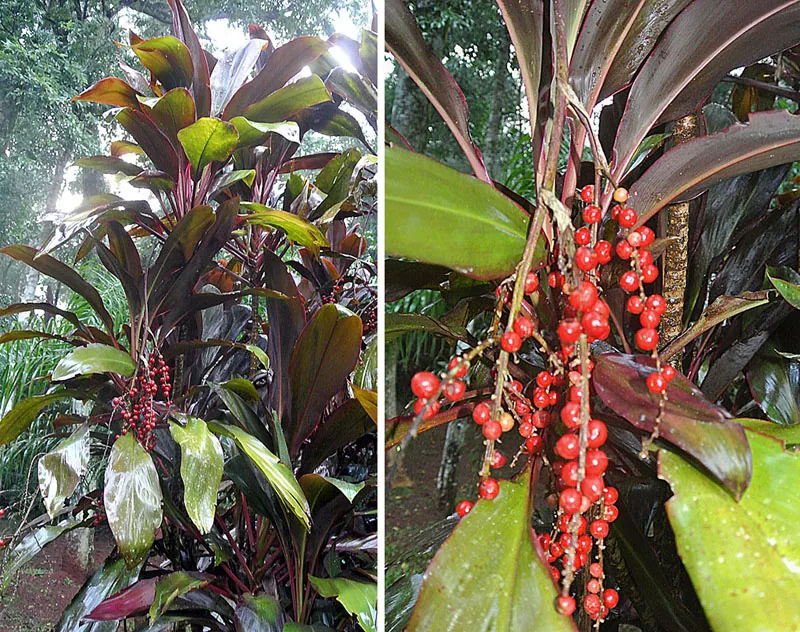
The ti plant is a real showpiece, a tender evergreen packed with strappy leaves in pink, red, purple, and green. It hails from the tropical Pacific and Southeast Asia, where it has long carried meaning as a good luck plant, and indoors it stands tall and keeps its color right through the year. Grow one and the payoff is immediate.
That color runs entirely on light, which makes it fun to dial in. Give it bright indirect light and the pinks and reds turn deep and rich. Let the light drop and the leaves slip back toward plain green, an easy tell that it is time to chase a brighter window.
It asks a little back, and the effort pays off fast. The ti plant wants clean water and plenty of humidity, and fluoride in tap water will brown its leaf tips, so distilled water or rainwater keeps it thriving. Nail the water and the light and you get a tough, long lived plant that keeps on rewarding you.
Care
The short version: aim for bright indirect light, humid air, and clean water without fluoride. Keep the soil evenly moist while it powers through the growing season, dial it back in winter, and feed a few times a year to keep the leaf color firing.
Light
Give it bright indirect light and the color really pops. It will push through partial or full shade, but the pinks and reds slide toward green in the gloom. Keep it clear of harsh afternoon sun, though, which scorches the leaves fast.
Water
Keep the soil evenly moist from spring through fall, letting the top dry a touch between drinks, then throttle back through winter. Water quality is the real game changer: fluoride and salts in tap water brown the tips, so pour distilled water or rainwater.
Soil
Pot it in a well drained, peaty mix, a fertile peaty loam or a peat based potting soil. It thrives at a pH of 5.5 to 7.0, and sharp drainage keeps the roots from bogging down.
Temperature
This plant loves warmth and hits its stride from 50°F to 95°F (10°C to 35°C). Cold is its weak spot, so steer it away from drafts and chilly winter windows.
Humidity
Crank up the humidity, well beyond what most rooms deliver. A humidifier or a pebble tray under the pot does the job, since dry air is a prime culprit behind those browning tips.
Feeding
Feed a balanced houseplant fertilizer across the spring to fall growing season. Just a few feedings a year keep it fueled and hold that bold leaf color.
Pruning
When a cane shoots up leggy, cut it back and watch fuller, bushier growth burst out lower down. Strip off tired or damaged lower leaves too, which the plant drops on its own as it ages.
Repotting
Repot every 2 to 3 years, or sooner the moment it turns rootbound, and spring is prime time. The tells are roots circling or bursting through the drainage holes, water blasting straight through, and growth that stalls.
Size & spacing
With room to run, a ti plant rockets to 3 to 15 feet (90 cm to 4.6 m) tall and spreads 3 to 8 feet (90 to 240 cm) wide, though a pot indoors reins it in. Give it space and let those arching leaves fan out.
Troubleshooting
The leaves are where a ti plant tips its hand first, so browning tips, fading color, or a pest all show up early. Jump on them fast and the fix is almost always quick. Find your match below and get straight to work.
Sticky, speckled leaves or visible bugs
Sticky, speckled leaves are a dead giveaway that sap sucking pests have moved in, whether aphids, scale, mealybugs, or spider mites. Flip the leaves and hunt for scale bumps, cottony mealybugs, fine webbing, or clusters of aphids, then wipe or rinse the foliage and hit it with insecticidal soap or horticultural oil. Crank up the airflow to keep them from storming back.
Fix:
- Wipe down or rinse foliage
- Treat with insecticidal soap or horticultural oil
- Improve air circulation
Brown, crisping leaf tips
Brown, crisping tips come straight from fluoride and salts in tap water, which pile up in the leaf tissue and burn the edges, and dry air piles on. Switch to distilled water or rainwater, flush the pot now and then to blast out the salts, and boost the humidity around the plant to get clean new growth.
Fix:
- Water with distilled water or rainwater instead of fluoridated tap water
- Flush the pot periodically to leach out accumulated salts
- Raise humidity with a humidifier or pebble tray
- Trim damaged tips for appearance
Colors sliding back to green
Park a ti plant somewhere too dim and the pink, red, and purple bleed away as the leaves revert to plain green, a clear call of too little light. Shift it into bright indirect light to fire the color back up, but dodge harsh afternoon sun, which scorches the leaves instead of feeding them.
Fix:
- Move to a spot with bright indirect light
- Avoid harsh direct afternoon sun, which can scorch leaves
Toxicity
One thing to nail down before the fun: this plant stays away from pets. The whole ti plant packs saponins, so a cat or dog that chews a leaf can vomit, sometimes with blood, drool, and go dull and off its food. People are in the clear since no part is eaten, though the cut sap can sting the skin, so pull on gloves before you prune.
Toxic to
Cats · Dogs · Horses · Rabbits · Livestock · Birds · People
Cats Moderate
A cat that chews the leaves can vomit, sometimes with blood, and drool hard. Keep watch for a flat, listless mood, a refusal to eat, and pupils that stay wide.
Dogs Moderate
Dogs run into the same saponins and vomit, at times streaked with blood, then drool, lose their appetite, and turn dull and low.
Horses Moderate
Horses land on the at risk list too, with the green parts sparking stomach upset and general discomfort.
Rabbits Caution
Saponins are just the kind of toxin that hits small grazers hard, so keep the foliage off limits and stop a rabbit from nibbling it.
Livestock Caution
Cattle, goats, and sheep rarely bump into a potted ti plant, but the saponins in the leaves make it an unsafe browse if one gets a shot at it.
Birds Caution
No source gives the all clear for pet birds here, so keep a curious bird well away from the leaves.
People Caution
The ti plant is no snack, and handling the cut sap can leave some people with an itchy rash. Pull on gloves when you prune it, and keep small children from chewing the leaves.
Sap can cause contact dermatitis; wear gloves when handling or cutting the plant.
Helpline numbers

United States
ASPCA Animal Poison Control: (888) 426-4435 (fee applies)
Poison Control: (800) 222-1222



Canada
Poison Centres: 1-844-764-7669
Varieties
The ti plant comes in dozens of named picks, sorted mostly by leaf color and size, so there is always another to hunt down. These three lead the pack as houseplants.
'Baby Doll'
A compact, low grower loaded with small pink and green strappy leaves that make it a standout houseplant.
'Kiwi'
Its green leaves flash yellow stripes and a bold band of red and pink along the edge.
'Red Sister'
Bred to deliver color, it throws out fresh growth in punchy pink to burgundy.
How to propagate
Here is the best part: the ti plant multiplies with almost no effort, either from cane cuttings or by splitting a plant you already grow, so one quickly becomes many.
Stem cuttingsEasy
Spring to summer during active growth · Roots typically appear within a few weeks on moist media
The fastest route is from cane sections, the very ti logs stacked up in shops. Snip cuttings in spring or summer while the plant is growing hard, lay them on moist gravel or moist media, and roots and shoots break out within a few weeks.
DivisionEasy
Spring, at repotting · Several weeks to establish in fresh soil
Splitting the plant at the spring repotting works a treat too. Tease the rooted clumps or offsets apart, pot each on its own, and give them several weeks to dig into fresh soil.
Myths
A colorful leafy plant like the ti plant has to be safe around cats and dogs.
Bright leaves prove nothing about safety. The ASPCA flags the ti plant as toxic to cats and dogs, and the saponins it carries can trigger vomiting, sometimes with blood, plus drooling, a poor appetite, and a dull, low mood. Keep it out of reach of pets.