Vegetable · Solanaceae
Tomato
Solanum lycopersicum
Hand it full sun, steady water, and good airflow, and the tomato rewards you all summer long.
Full sun
Every 3–7 days
70–84°F · 21–29°C
50–90 days
Overview
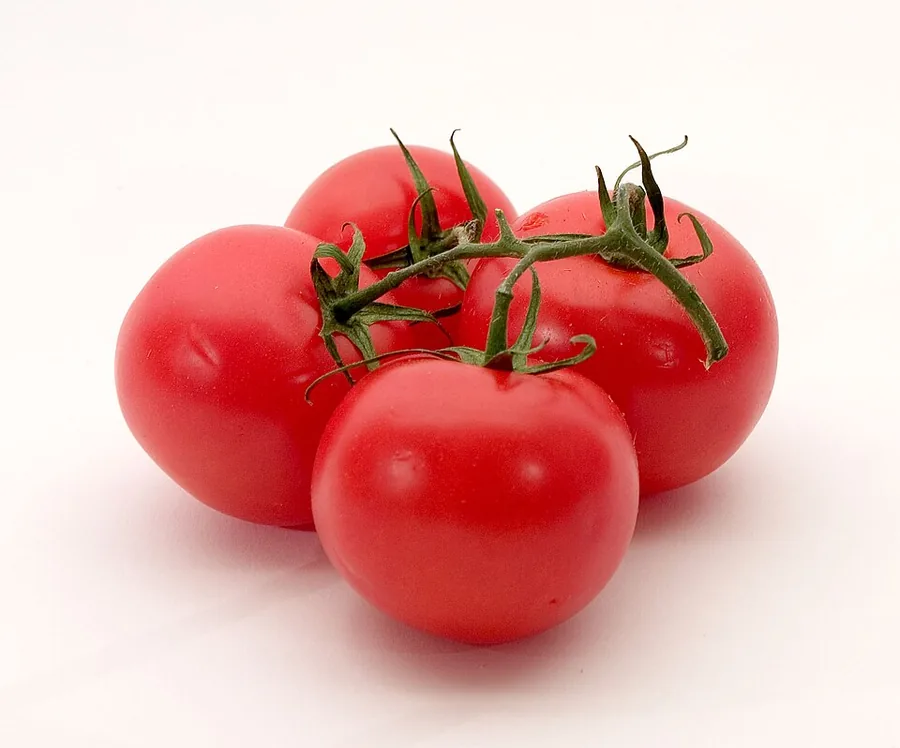
Nothing tastes more like high summer than a tomato picked ripe off the plant. A member of the nightshade clan, it climbed out of the Andes, where growers tended it ages before it traveled the globe. These days it thrives just about everywhere as a warm season annual, equally at home in a garden bed or perched in a pot on a sun-soaked balcony.
Your options stretch a long way. Certain plants keep low and bushy and wrap up their entire harvest inside a week or two. The rest climb high, sprawl out, and pump fruit nonstop clear up to frost. The short ones earn the label determinate, the tall ones indeterminate, and pinning down which you grow steers how you trim and stake it.
Beginners get plenty of leeway from tomatoes, and a bit of care pays off even more. Hand them steady water, full sun, and breathing room, and the fruit rolls in sweet and plentiful. Skimp on any of that, though, and you swap great flavor for split skins and bare stems.
Care
The short version: full sun, plus a hint of afternoon shade in scorching-summer regions. Hold the soil evenly damp at roughly an inch of water weekly, dig them into rich, fertile ground, and grant every plant space to breathe.
Light
Give a tomato 8 or more hours of direct sun each day and watch it thrive. Some afternoon shade earns its keep in punishing-summer regions, but real shade leaves you tall, floppy plants and a thin harvest.
Water
Chase steady, even moisture rather than a flood trailed by a dry spell. Figure on roughly an inch of water a week, ramping up through a heat wave or in a pot. That even hand is exactly what stops the skins from splitting.
Soil
Set them into rich, well drained ground worked through with plenty of compost. They lean toward a pH of 6.0 to 6.8, just a shade acidic, and loose soil turns the deep roots loose to dig.
Temperature
They hit their stride between 70°F and 84°F (21°C to 29°C). Fruit set stalls the moment nights stay warm or days run hot, and even a glancing frost wipes the plant out.
Humidity
Plain outdoor humidity suits them fine, so skip chasing a number. Good airflow matters far more here, because packed, soggy leaves are the doorway most tomato diseases stroll through.
Feeding
Drop a balanced feed in at planting, then circle back once the first fruit sets. Tread easy on the nitrogen, or you raise a big leafy plant with barely a thing to harvest.
Pruning
On the towering indeterminate types, pinch out the side shoots down to one or two main stems. Let the bushy determinate types ride untouched, since trimming them just robs you of fruit.
Repotting
Bump seedlings into bigger pots before they head outdoors so the roots never wind into a knot. After a plant lands in its final bed or roomy container, it stays put for the rest of the season.
Overwintering
Treat the tomato as an annual and replant each year. At heart it's a tender perennial, but the first frost finishes it, so most growers simply start over come spring.
Size & spacing
Depending on the type, plants stretch from 2 to 10 feet (60 cm to 3 m) tall. Hand each one 1.5 to 3 feet (45 to 90 cm) of elbow room so air keeps moving and disease stays in check.
When to plant
Warmth fuels a tomato, and frost flattens it, so timing carries real weight. Fire the seeds up indoors near the tail of winter, move the plants outside once the chill clears off, and harvest fruit from the heart of summer right up to the season's first frost.
Northern hemisphere
Southern hemisphere
Typical months for a temperate climate: start earlier in warm zones, later where spring frosts linger.
- Sow: 5–8 weeks before last frost (start seeds indoors before last frost)
- Plant: at last frost to 2 weeks after (after frost, soil ~60°F (16°C))
- Harvest: July–October (midsummer to first frost)January–April (midsummer to first frost)
Hardiness
USDA hardiness zones: 10–11
Temperature: down to -1°C
Troubleshooting
Tomato troubles tend to surface first on the fruit or the bottom leaves. Get fluent in those early tells and you can jump in before something small spreads wide. Pair what you spot with the list below, then move while it still counts.
Oily gray smears with the whole plant crashing fast
Late blight races through cool, damp air and can flatten a healthy plant within days. Yank the whole thing, seal it in a bag, and send it to the trash. Composting it just gifts the disease to next year's garden, so never do it.
Fix:
- Pull and bag plants immediately
- Do not compost
- Preventive fungicide on neighbors
Lower leaves yellowing and flagging as the plant slides downhill
When a soilborne fungus like fusarium or verticillium wilt plugs up the stem from within, no spray will turn it around. Pull the plant, then come back next season in a fresh container of clean mix, or plant cultivars bred to shrug the disease off.
Fix:
- No cure; remove plant
- Grow in containers with fresh mix
A dark, caved-in spot claiming the base of the fruit
Meet blossom end rot, and the cause is watering that swings around, not weak ground. Let a plant parch and then drown it, and calcium never reaches the developing fruit. Lock in a watering rhythm, spread mulch to bank the moisture, and snap off whatever tomatoes already carry the mark.
Fix:
- Maintain even soil moisture
- Mulch root zone
- Remove affected fruit
Bullseye brown rings climbing the lower leaves
That ringed patterning flags early blight, a fungus that wakes up in warm, wet spells and climbs from the ground up. Clip away every spotted leaf, thin the canopy so breezes flow through, and aim your water at the roots, never the foliage.
Fix:
- Remove infected lower leaves
- Improve airflow
- Apply fungicide if severe
Countless tiny gray spots trimmed with dark rims
Septoria leaf spot dots the lower foliage the moment damp weather rolls in. Strip the speckled leaves the instant they show, lay down mulch so rain can't bounce spores upward, and deliver water right at the base.
Fix:
- Remove infected leaves
- Improve air circulation
- Fungicide if severe
Branches picked bare overnight with dark pellets below
One tomato hornworm can strip a whole branch between dusk and dawn. Hunt the chunky green caterpillars by hand in the evening and pluck them off. Spare any wearing tiny white cocoons, because parasitic wasps have already claimed that one.
Fix:
- Hand-pick caterpillars
- Leave any with white wasp cocoons
- Spray Bt if heavy
Blossoms yellowing and tumbling off before fruit sets
Fruit set shuts down when nights hold above 70°F (21°C) or daytime spikes past 85°F (29°C). Keep the plants drinking and ride it out. Once the weather mellows, blossoms hang on and start setting all over again.
Fix:
- Keep plants irrigated
- Wait for favorable temperatures
Cracks looping around or racing across the fruit
A parched stretch followed by a big drink sends the fruit swelling faster than its skin can keep up, and it splits. Even out the watering and tuck mulch around the base to smooth the supply. If a downpour looms, harvest a touch ahead of full ripeness.
Fix:
- Pick fruit before fully ripe
- Keep watering even
Crumpled, scarred fruit down at the blossom end
This puckered look goes by catfacing, and it traces straight back to chilly weather while the blooms were forming. Those tomatoes still eat just fine. Hold your transplants back until the soil has heated up and the hard cold is well behind you.
Fix:
- No cure for set fruit; remove affected
The oldest base leaves shifting to yellow
A handful of yellow leaves down at the base usually just means age, since the plant is funneling its energy straight into fruit. Should the yellow creep upward or the whole plant pale out, hand it a balanced fertilizer and scan for spots or wilt.
Fix:
- Apply balanced fertilizer if deficient
- Remove diseased tissue
Toxicity
Tuck into the ripe fruit all you like, but skip the rest of the plant. Foliage, stems, and unripe green tomatoes carry a natural compound named solanine that turns the stomach. Park the green parts far from pets, livestock, and inquisitive kids.
Toxic to
Cats · Dogs · Horses · Rabbits · Livestock · Birds
Safe for
People — the ripe fruit
Cats Moderate
Watch for drooling, a queasy belly, and a sluggish cat. A bigger nibble can blow the pupils wide and drag the heartbeat down.
Dogs Moderate
After a dog gnaws the foliage or stems, you may see drooling, a skipped meal, a churning gut, and a wobbly, weak pup.
Horses Moderate
Chewing the green growth can leave a horse with a sour stomach, a flat mood, and shaky legs.
Rabbits Toxic
Solanine packs the leaves and stems, so they stay off the menu. Hand over only tiny bites of ripe fruit now and then as a treat.
Livestock Moderate
Solanine in the foliage can rattle cattle, goats, and sheep with gut upset and nervous system trouble.
Birds Caution
Green growth is toxic, so offer ripe fruit only and just once in a while. A backyard hen can peck a ripe tomato with no harm.
People Ripe fruit safe
Ripe tomatoes star in countless meals and are perfectly safe to eat. Steer kids clear of the leaves and any green fruit.
Ripe fruit is non-toxic; keep pets away from leaves, stems, and green fruit
Helpline numbers

United States
ASPCA Animal Poison Control: (888) 426-4435 (fee applies)
Poison Control: (800) 222-1222



Canada
Poison Centres: 1-844-764-7669
Varieties
Tomato varieties number in the thousands, yet only a few show up across most gardens. Here are the ones worth knowing on a first-name basis.
Early Girl
A fast vining slicer that delivers ripe fruit in roughly 60 days, racing well ahead of the pack.
San Marzano
The benchmark paste tomato, its long, low-seed fruit melting down into a thick, deeply flavored sauce.
Roma
A tidy bush pick for canning and sauce that ripens nearly its whole crop in one quick burst.
Celebrity
A rock-solid all rounder that brushes off most of the diseases plaguing other tomatoes.
Beefsteak types
Towering vining slicers loaded with the richest flavor, though their hefty fruit cracks more readily than the rest.
Cherry types
Tiny, sugary fruit strung along long trusses that pump out crop after crop all season, names like Sungold and Sweet 100.
Companions
Tomatoes grow best beside herbs and flowers that pull pests away, and worst beside their nightshade cousins, which trade the same diseases back and forth.
Plant near
Basil: Studies show basil can reduce thrips on tomato and intercropping may promote tomato growth
French marigold: Slows glasshouse whitefly population through airborne limonene when planted early in season
Nasturtium: Non-host plant shown to reduce whitefly numbers on tomato
Keep apart
Corn: The corn earworm and tomato fruitworm are the same insect, so the pest builds up on both crops; both are heavy feeders competing for nutrients
Potato: Same Solanaceae family; shares early and late blight, so avoid planting together or in sequence
Pepper: Solanaceous relative sharing tomato diseases; avoid adjacent planting and rotation
Eggplant: Solanaceous relative sharing soilborne diseases and pests with tomato
Black walnut: Roots release juglone; tomatoes are highly sensitive, causing yellowing, wilting, and death near the dripline
How to propagate
Few plants multiply as readily as a tomato, whether you tear open a seed packet or take free copies straight off a plant you already tend.
SeedEasy
Indoors 5-8 weeks before last frost · Germinates 5-10 days at 75-85°F (24-29°C)
Seed is where most growers kick off the tomato season. Get the seeds going indoors 5 to 8 weeks before your last frost and keep that tray toasty, around 75°F to 85°F (24°C to 29°C), and sprouts push up in 5 to 10 days. Come transplant time, set them deep and tuck part of the stem under the soil, since every buried inch fires off fresh roots.
Stem cuttingsEasy
During active growth · Roots in 1-2 weeks in water or moist soil
Cloning a tomato takes hardly any work at all. Break a sturdy sucker off a thriving plant, park it in a jar of water or a pot of damp soil, and within a week or two it roots into a fresh plant that matches its parent exactly.
Myths
Stirring calcium or crushed eggshells into the ground knocks out blossom end rot.
The snag lies in how the plant ferries calcium around, not in how much waits in the dirt. Eggshells crumble far too slowly to pitch in, and leaf sprays simply never make it to the fruit. Steady, even watering is the real fix.
A scoop of Epsom salt drives tomatoes to grow bigger and fruit harder.
Unless your soil actually runs short on magnesium, which seldom happens, it accomplishes nothing. Too much can even make blossom end rot worse by elbowing out the calcium the fruit is counting on.
Splash the leaves under a blazing sun and they scorch like a magnifying glass fired them.
Beads of water evaporate well before they could ever sear a leaf. Spotted, scorched leaves trace back to disease, pests, or weather, and never to sunlight beaming through a droplet.
Marigolds keep every garden pest away.
The payoff is far narrower than the legend. French marigolds do slow whiteflies and might nudge a few thrips along, yet they won't sweep pests away across the board, and most companion claims lean on folklore over field trials.
Snip out every sucker and the tomato count always climbs.
With the tall vining kinds, pruning earns you bigger, earlier fruit but frequently a smaller total harvest plus extra sunscald. With the bushy determinate kinds, just let the suckers grow.
Pour on more nitrogen and the tomatoes pile up.
Pile on the nitrogen and you raise a lush, leafy plant with little fruit, while the few tomatoes you harvest crack all the more. A balanced feed serves you far better.
Sources
- ASPCA Animal Poison Control
- University of Minnesota Extension
- University of Maryland Extension
- Clemson Cooperative Extension HGIC
- University of Maryland Extension
- Clemson Cooperative Extension HGIC
- Clemson Cooperative Extension HGIC
- University of Minnesota Extension
- Penn State Extension
- University of Minnesota Extension
- PLoS One (peer-reviewed)
- University of Wisconsin-Madison Extension (Wisconsin Horticulture)
- Penn State Extension
- University of Maryland Extension
- University of Illinois Extension
- Penn State Extension