Houseplant · Commelinaceae
Purple Heart
Tradescantia pallida
Feed it strong light and lean soil, and purple heart races away in rich violet, one of the most rewarding easy plants going.
Full sun
USDA 10–11
8–12 in · 20–30 cm
Overview
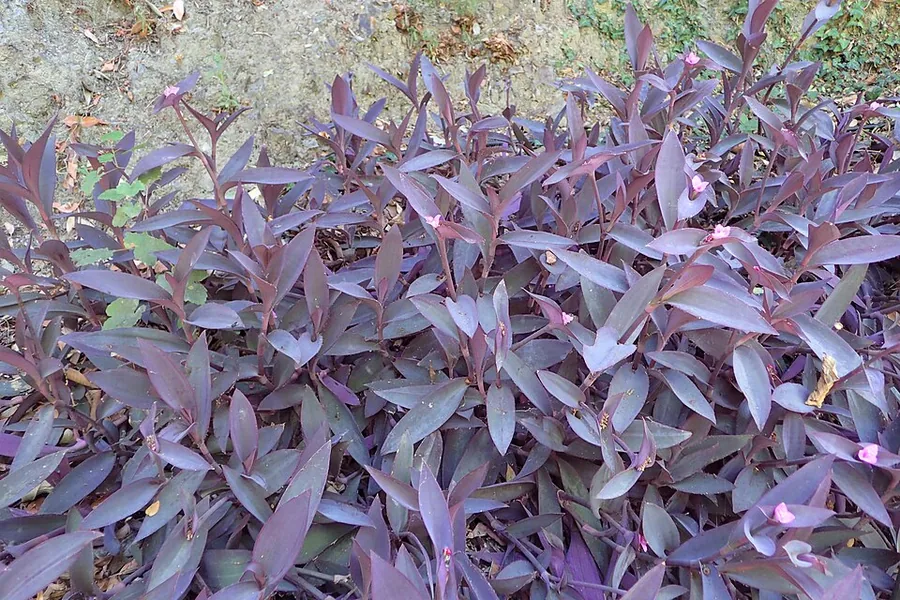
Purple heart is all about color, and it delivers. Its trailing stems and slim leaves glow a deep violet-purple that stands out among houseplants, and pink flowers keep coming through the warm months. Native to Mexico, it runs in the spiderwort family, a lively cousin of the inch plants.
This is a plant that rewards you fast. It grows quickly, powers through dry spells once established, and roots from just about any broken stem, so a single plant multiplies in no time. Light is the lever that controls the color: pour on the sun and the violet blazes, but leave it dim and the leaves slide to green while the stems shoot up leggy.
Indoors, park it in the sunniest window and watch it spill over the pot and pack out fast. Quick heads-up: the sap is a mild skin irritant, so grab gloves before you prune, and keep it somewhere pets and small kids cannot get a mouthful.
Care
The short version: pile on the light for the boldest color, use well-drained soil and let it dry between waterings, stay above 50°F (10°C), and pinch often to keep it dense and branching.
Light
Light is where the magic happens. Load it up with full sun or your brightest window and the violet turns deep and intense, while shade drains the color to green and stretches the stems. Indoors, a south-facing window keeps that color firing all year.
Water
Here is a grower's dream: once established, purple heart is seriously drought-tolerant. Let the surface dry out, then water, and always lean drier rather than wetter. Soggy, waterlogged soil is the one thing that trips it up, rotting the roots and stems, so keep it out of standing water.
Soil
Give it soil that drains fast and it is happy. A rich, organic mix brings out its best, but it takes clay, loam, or sand in stride, and handles pH from acid to alkaline. The only thing that stops it cold is a mix that never dries out.
Temperature
Keep it warm, above 50°F (10°C), and it powers right along. Cold is its weak point, with no tolerance for frost, which turns the top growth black fast. Regular room warmth works all year, and where winters drop below that line, keep it as a houseplant, or haul it in before the chill lands.
Humidity
Humidity? Not a concern. Everyday room air is plenty, and dry indoor air does not slow it down one bit.
Feeding
Push its growth with a monthly feed of balanced general-purpose fertilizer right across the spring and summer active season. Once the cool weather slows it down, ease right off.
Pruning
Pinch it back as often as you please to keep it dense and bushy and spark fresh shoots, then cut the flower stems away once they are spent. The tips you take snap into roots fast, so every pinch is a free new plant.
Repotting
Bump it up to a bigger pot every 1 to 2 years, or the moment it crowds its container. Roots pushing out the drainage holes, new growth that stalls, or soil that drains bone-dry right after watering all shout that it wants more room to run.
Size & spacing
It stays low and compact, hitting about 8 to 12 inches (20 to 30 cm) tall and sprawling out to 12 to 18 inches (30 to 45 cm) wide. That trailing reach makes it a standout in a hanging basket or cascading over a container edge.
Troubleshooting
Purple heart is a tough, willing grower, and almost any hiccup comes down to light or water. Spot the sign early, make one quick move, and it bounces back with gusto. The rundown below points you straight to the fix.
Mushy, blackened stems collapsing at the base
Soft, black, mushy stems at the base spell root and stem rot, straight from soil that stays soaked, and it is the one real threat to this otherwise bulletproof plant. The roots turn brown and slimy when they should stay firm and white. Cut the water, trim out every rotted bit, and root a few solid stems in fresh, fast-draining mix to start again.
Fix:
- Stop watering and allow soil to dry out
- Cut away rotted tissue and re-root healthy firm stem cuttings in fresh well-drained mix
- Discard severely rotted plants and soil
Growth blackening and dying after the cold
This plant will not take cold below 50°F (10°C) or frost, and one cold snap leaves the top limp and blackened. Trim the damaged growth off and get it back into warmth. Where frost threatens, move the pot inside or root some cuttings to run through winter, rather than betting on the roots to rebound.
Fix:
- Remove damaged top growth
- Bring containers indoors or take cuttings to overwinter where frost occurs
- Where roots survive in mild climates, allow the plant to resprout from the base
Speckled, sticky, or webbed leaves from bugs
Sap-suckers love to crash indoor plants, and spider mites, mealybugs, aphids, and scale each leave a giveaway. Hunt for fine webbing, cottony clumps, packs of tiny insects, or hard little bumps along the stems and under the leaves. Rinse and wipe the plant down, jump on it with insecticidal soap or horticultural oil, and quarantine it from the rest until it is clean.
Fix:
- Rinse plant and wipe off pests
- Treat with insecticidal soap or horticultural oil, repeating as needed
- Isolate affected plants to prevent spread
Fading green color and stretched-out stems
Losing the violet to green and running leggy means one thing: the plant is hungry for light. Without strong sun the stems race upward and the leaves fan out wide apart. Get it to the brightest window or straight into full sun, pinch the stretched growth, and the deep color and tight shape charge right back.
Fix:
- Move to a spot with full sun or as much bright direct light as possible
- Pinch back leggy stems to encourage compact, well-colored regrowth
Long, bare stems with leaves stuck at the tips
Trailing and sprawling is this plant's default, so leave it unpinched and the stems bolt out long and bare, leaves clinging only at the ends, and low light drives it further. Hit it with a pinch and it branches out full again. Even better, the tips you cut root fast and drop right back in to bulk it up.
Fix:
- Pinch or cut stems back to encourage branching and bushier growth
- Root the removed tips as cuttings to fill in the plant or start new ones
Red, itchy skin after cutting the stems
Snap a stem and the sap that runs out is a skin irritant, quick to leave the skin red and prickly, a mild contact dermatitis. A quick rinse of soap and water clears it up right away. Dodge it entirely by keeping gloves on for pinching, pruning, and cutting.
Fix:
- Wash the affected skin with soap and water
- Avoid further bare-handed contact with cut stems
Toxicity
Grow it with enthusiasm, just handle it with a bit of respect. Its sap counts as a mild irritant, enough to leave skin red and itchy, and a pet that nibbles a leaf may drool and turn queasy for a bit. Pull on gloves for cut stems, and set it where animals and kids cannot make a snack of it.
Toxic to
Cats · Dogs · Horses · Rabbits · Livestock · Birds · People
Cats Mild
Let a cat gnaw on it and it may drool and get a slightly upset stomach, while the sap can turn its skin red and itchy. It all stays mild, but a cat that keeps coming back for a bite is better kept clear of it.
Dogs Mild
Dogs land in the same spot as cats. A bite brings a bit of drool and a short stomach upset, plus irritated skin anywhere the sap lands on them.
Horses Caution
That irritant sap can rough up a horse around the mouth and skin too, so a horse is best steered away from browsing on it.
Rabbits Caution
No solid record shows rabbits eating it, and its irritant sap alone is reason to keep it off their menu. Skip it as forage entirely.
Livestock Caution
Grazing stock can wind up with the same sore mouth and stomach from the sap, so fence the plant off wherever they might get at it.
Birds Caution
Pet birds are tiny and quick to react, so that irritant sap makes the plant a no-go near them. Set it well away from the cage and perches.
People Caution
For people, working the cut stems can raise contact dermatitis, the skin flaring red and itchy right where the sap catches it. Snap on gloves before pruning or taking cuttings, and keep inquisitive kids from getting the leaves in their mouths.
Cell sap is a skin irritant (contact dermatitis); wear gloves when pruning, pinching, or taking cuttings
Helpline numbers

United States
ASPCA Animal Poison Control: (888) 426-4435 (fee applies)
Poison Control: (800) 222-1222



Canada
Poison Centres: 1-844-764-7669
Varieties
You will find purple heart almost everywhere as one named form, and that form cranks its color to full strength.
'Purpurea'
Behind almost every purple heart you will buy sits this form, its stems and leaves a deeper, more saturated violet-purple than the wild species.
How to propagate
Purple heart is a joy to multiply, throwing out roots from nearly any stem taken off it.
Stem cuttingsEasy
Any time during active growth · Roots in 1-2 weeks
Multiplying this one is pure fun and almost foolproof. The stems root from every node, so a shoot tip or a hunk of stem shoved into soil or dropped in water strikes roots within a week or two. Grab cuttings any time it is actively growing and you will have new plants in no time.
Myths
Purple heart needs watering nonstop or it dies in a dry spell.
Not even close. An established plant sails through dry soil, and it is overwatering that actually endangers it, since drenched roots turn to rot and the stems flop over. Let it dry between waterings and it thrives.
The purple stays put wherever you grow the plant.
Light runs the show on color. Blast it with sun and the violet deepens to its richest, while a shady spot bleeds the color to green and sends the stems reaching.