Houseplant · Commelinaceae
Silver Inch Plant
Tradescantia zebrina
Give it bright light and a regular pinch, and this trailing inch plant packs out a pot in record time.
Bright indirect
64–75°F · 18–24°C
USDA 8–12
6–9 in · 15–23 cm
Overview
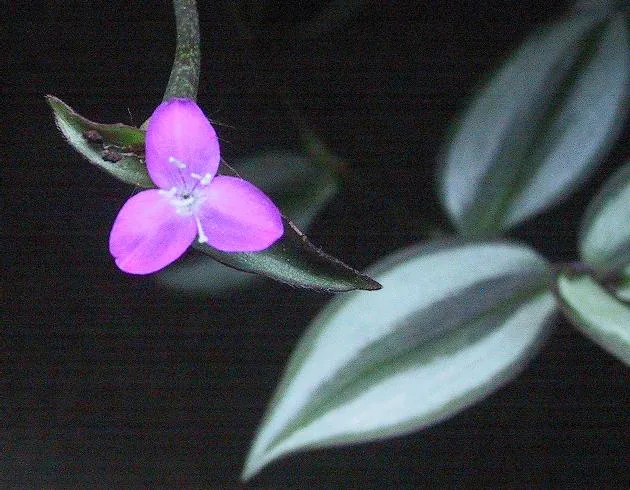
The silver inch plant is a fast, trailing houseplant that rewards you from day one, grown for leaves banded with silver and deep purple on top and flushed purple underneath. It belongs to the spiderwort family and hails from Mexico down into Colombia, where it runs along the ground, and indoors it pours over the rim of a pot or basket and just keeps charging.
The real thrill is how tough it is, since it shrugs off nearly anything you throw at it. The stems grow quickly, root wherever they touch soil, and bounce right back after a hard cutback. Give it one thing above all, good light, because the purple and silver fade to plain green in a dark corner.
A quick note on the name. The old common name traces back to an antisemitic legend and is now widely dropped in favor of inch plant, silver inch plant, or wandering dude, which is what most growers and references reach for today.
Care
The short version: park it in bright indirect light for punchy color, water once the soil surface dries and back off in winter, and pinch the tips often to keep it full instead of leggy.
Light
Aim for bright indirect light to fire up the best color, with a little direct morning sun if you can swing it. It will scrape by in low light, but the purple and silver drain to plain green and the stems stretch out leggy.
Water
Soak it well through the growing season, then let the soil surface dry before the next round, and dial it back through fall and winter. Steer clear of soggy soil, since sitting wet is the quickest path to root and stem rot.
Soil
Plant it in a well-drained peaty or loam and sand mix in a pot with drainage holes. It shrugs off pH worries and thrives anywhere from 6.0 to 8.0, acidic straight through to alkaline.
Temperature
Everyday room warmth keeps it cruising, ideally 64°F to 75°F (18°C to 24°C). Just steer it away from cold drafts and chilly winter windowsills.
Humidity
Average household humidity has it covered, so there is no number to chase down. When the air turns bone dry, a small bump in humidity keeps the leaf tips from browning.
Feeding
Feed it monthly with a balanced houseplant fertilizer through spring and summer while it is powering along. Ease off in fall and winter once growth slows.
Pruning
Pinch the stem tips often to keep it dense and bushy and to shut down legginess. Best part, the pieces you pinch root in a snap, so drop them straight back into the pot.
Repotting
Repot every 1 to 2 years or whenever it bursts its pot, since it grows fast. Keep an eye out for roots circling the pot or shooting through the drainage holes, leggy growth despite good care, or soil that dries almost the instant you water.
Size & spacing
It stays low at 6 to 9 inches (15 to 23 cm) tall while trailing and spreading to 12 to 24 inches (30 to 61 cm) across. Set it on a shelf edge or in a hanging basket and let those stems cascade.
Troubleshooting
Nearly every inch plant hiccup circles back to light or water. Faded color and stretched stems mean it is hungry for more light, while soft, mushy stems mean it is drowning in wet soil. Match what you spot below and jump on it early.
Soft, mushy brown stems and a plant caving in
Move fast on this one, because root and stem rot from waterlogged soil can flatten a plant in a hurry. The tell is soft, dark stem bases, soil that never dries out, and now and then a foul smell rising from the pot. Slice away every rotted piece, re-root the healthy cuttings in fresh, well-drained mix, and toss the sodden soil and anything too far gone so the rescue takes.
Fix:
- Cut away all rotted tissue
- Take healthy cuttings and re-root them in fresh, well-drained mix
- Discard severely rotted plants and waterlogged soil
Webbing, sticky patches, or warped yellowing leaves
A handful of small pests take a shine to this plant, and you can beat every one of them. Spider mites spin fine webbing, aphids pile up as soft little clusters, and mealybugs show as white cottony tufts on the stems and leaf undersides. Blast or wipe the foliage to knock them loose, hit them with insecticidal soap or horticultural oil, and keep after them until they clear out. Pull the plant away from the rest of your collection so the trouble stays contained.
Fix:
- Rinse or wipe down foliage to dislodge pests
- Treat with insecticidal soap or horticultural oil and repeat as needed
- Isolate the plant to prevent spread
Stripes fading and stems shooting out for the light
Here is the quick win: the color drops because the plant wants more light. Tuck it in a dim corner and the purple and silver flatten to plain green while the stems race toward the window, spacing the leaves out along the way. Slide it into a bright spot with indirect sun or a splash of morning light, pinch back those runaway stems, and watch the compact, colorful growth surge right back.
Fix:
- Move to a brighter spot with bright indirect light or some direct sun
- Pinch back stretched stems to encourage compact, colorful new growth
Long stems running bare with leaves only at the ends
Let the pinching slide and an aging plant drifts leggy, its stems trailing thin with leaves bunched at the tips over a bare, woody base. Grab your snips and cut those stems back hard, and the plant answers with fresh branching lower down. Even better, root the healthy tips you took off and pack them back into the same pot for a fuller, bushier plant.
Fix:
- Pinch or cut back leggy stems to force branching
- Propagate the healthy tip cuttings to refill the pot for a fuller plant
Crispy brown tips creeping along the edges
Brown, brittle tips and edges while the rest of the leaf stays healthy usually means the plant has run too dry, at the roots or in the air. Give it a deep, thorough drink and lock in a steady routine so the soil never bakes bone dry between waterings. And if your room runs parched, a small bump in humidity keeps those tips looking sharp.
Fix:
- Water thoroughly and resume a consistent watering routine
- Increase ambient humidity if air is very dry
Toxicity
Good to know up front: this is a mild irritant, not a serious poison, so a little care keeps everyone happy. The sap irritates skin, leaving people and pets red and itchy where they brush it, and a pet that chews a leaf can land a mildly upset stomach. Slip on gloves when you prune, and keep the trailing stems clear of animals that love to chew.
Toxic to
Cats · Dogs · Horses · Rabbits · Livestock · Birds · People
Cats Mild
Brush a cat past a dangling stem and the sap can leave a red, itchy patch on its skin. A cat that chews a leaf drools a bit and gets a mildly grumbly stomach, but the whole thing stays minor.
Dogs Mild
A dog barreling through the foliage can pick up red, irritated skin, and chewing a stem brings on some drooling and a touch of stomach upset. It rarely amounts to much, though a committed chewer is best kept clear of the plant.
Horses Mild
Horses land on the ASPCA's dermatitis list for this one, so sap on the skin can leave it red and irritated.
Rabbits Caution
The same irritant sap that nags cats and dogs makes this a hard pass for a rabbit. Keep it well out of reach instead of gambling on a sore mouth or an upset gut.
Livestock Caution
Grazing animals almost never bump into a houseplant, but the irritant sap would still bother a goat or sheep that took a bite, so chalk it up as one to avoid.
Birds Caution
Solid guidance on birds runs thin, and since the sap irritates, caution wins the day. Just keep a pet bird from pecking or shredding the leaves.
People Caution
The sap is a known skin irritant, so handling the plant or snipping cuttings can leave your hands red and itchy. Pull on gloves before you prune, wash up afterward, and keep small children from chewing the foliage.
Wear gloves when taking cuttings or handling extensively, as the sap can irritate skin; wash hands after contact
Helpline numbers

United States
ASPCA Animal Poison Control: (888) 426-4435 (fee applies)
Poison Control: (800) 222-1222



Canada
Poison Centres: 1-844-764-7669
Varieties
Beyond the familiar striped species, a couple of standout selections show up often and are well worth knowing by name.
'Burgundy'
This one ditches the stripes for deep, dark purple leaves that blaze richest when you keep it in bright light.
'Quadricolor'
Its leaves pack four colors at once, streaked with pink, purple, silver, and green for a real step up in show over the plain species.
How to propagate
If multiplying plants is your idea of fun, this one delivers, since almost any piece you cut roots with ease.
Stem cuttingsEasy
Any time during active growth · Roots in 1-2 weeks
This is the plant that turns one pot into five before you know it. While it is actively growing, snip a stem or tip, drop it in water or press it into moist soil, and roots break out in 1 to 2 weeks. The stems are so eager they will even root on their own at any node that lands against damp soil.
Myths
The old common name is just a harmless traditional label.
That name actually traces back to an antisemitic legend and now reads as an ethnic slur. Extension services and plant references have largely swapped over to inch plant, silver inch plant, or wandering dude, and those are the names worth reaching for.
The inch plant is harmless to pets and people.
The ASPCA lists it as toxic to dogs, cats, and horses, where the sap causes dermatitis. That same sap can leave your skin red and irritated, and a pet that chews it gets mild mouth and stomach upset. It is a mild irritant, not a deadly poison, so no need to panic, but it is not the totally harmless plant it is often sold as.