Houseplant · Davalliaceae
Rabbit's Foot Fern
Davallia fejeensis
Get the light, moisture, and humidity right and those furry paws will march right over the pot.
Bright indirect
Every 5–10 days
55–75°F · 13–24°C
USDA 10–12
Overview
The rabbit's foot fern is a joy to grow, and it earns its name the moment the soft, furry rhizomes start crawling over the pot rim like small animal feet. It is a true fern from Fiji, grown indoors for its lacy fronds and that one delightfully odd habit. Few houseplants give you this much to watch as it grows.
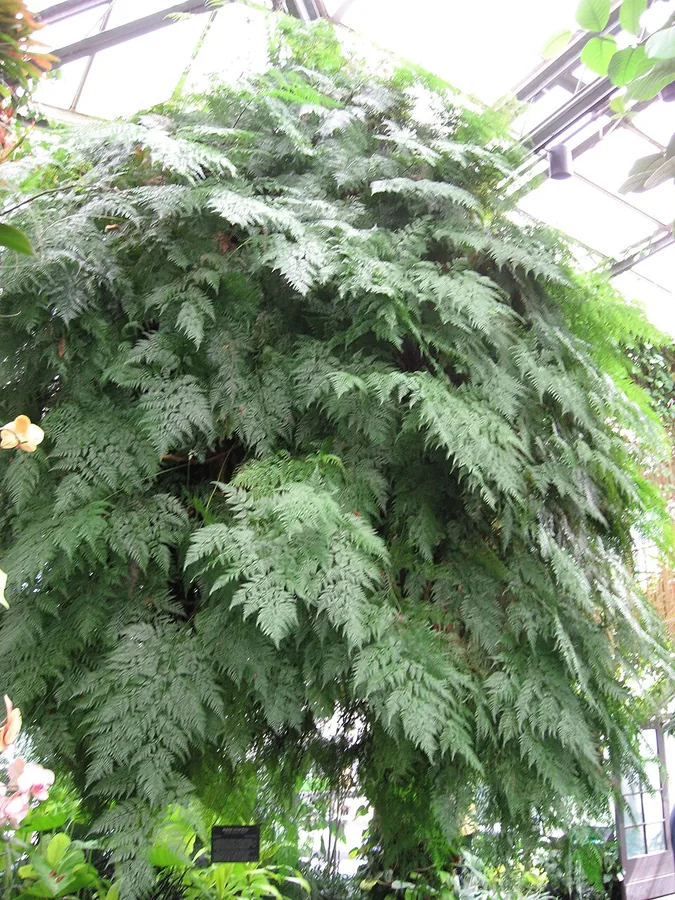
Forget the usual hidden-root fern; this one struts its rhizomes right across the surface, and that single trait shapes everything you do with it. Fronds shoot up from those creeping stems into a loose, lacy mound that keeps widening as it goes. It stays low but spreads with gusto, so hang it or perch it high and let those paws tumble over the edge.
It wants a bit more humidity than the average houseplant, and meeting that turns it from good to great. Keep the air moist, the light soft, and the paws uncovered, and it powers along for years. Slip up on watering or bury the rhizomes, though, and you swap a thriving fern for brown fronds and rot.
Care
The short version: bright indirect light, a mix kept evenly moist and never bone dry, humidity up around 50% to 70%, and those furry rhizomes riding on top of the soil where they thrive.
Light
Park it in bright, indirect light near a window that skips the harsh midday sun. It will manage in partial shade or medium light, but the fronds fill out fastest in bright, filtered light. Direct sun scorches the delicate foliage, so keep it screened.
Water
Keep that mix evenly moist without letting it turn soggy, and water roughly every 5 to 10 days once the top half-inch dries. Dial it back from fall through late winter as growth eases off. The surface rhizomes rot if they sit wet, so sharp drainage keeps them cruising.
Soil
Plant it in a peat-based mix loaded with organic matter that drains freely. It thrives at a slightly acidic pH of 5.5 to 6.5, and a loose, airy blend keeps water racing past the roots and rhizomes instead of pooling.
Temperature
Standard room warmth keeps it humming, anywhere from 55°F to 75°F (13°C to 24°C). Steer it clear of cold drafts and hot vents, which both rattle the fine fronds.
Humidity
This is the lever that unlocks its best growth. Push for 50% to 70% humidity, well past what most homes offer, with a pebble tray, a humidifier, or a tight group of plants. Let the air dry out and the frond tips crisp up first.
Feeding
Feed it monthly right through spring and summer with a balanced liquid fertilizer at half strength to keep new fronds coming. Then let it coast through fall and winter with no feeding at all.
Pruning
No heavy pruning to tackle here. Just clip off dead, browned, or damaged fronds at the base to keep it sharp and open room for fresh growth to push through.
Repotting
Repot only every 2 to 3 years, once the rhizomes crowd the surface or the mix dries out fast. Bump it up a single pot size, and always leave those furry rhizomes riding on top instead of burying them.
Size & spacing
It climbs to about 12 to 35 inches (30 to 90 cm) tall and fans out wider, from 1 to 4 feet (30 to 120 cm), as the rhizomes roam. Give it space to sprawl, or hang it and let those paws trail.
Troubleshooting
This fern practically tells you what it needs, and learning its two signals puts you ahead fast. Crisp frond tips call out the air, while soft brown paws call out the water. Spot yours below and jump on it before it spreads.
Furry rhizomes going soft and brown
Those furry paws marching over the pot are surface rhizomes, and they turn to mush the moment they sit wet or get buried. That is rhizome rot, driven by soggy, poorly draining mix or by covering the paws with soil. Lift them back onto the surface, cut off the mushy bits, sharpen the drainage, and let the mix dry to the right level before the next watering.
Fix:
- Uncover the rhizomes and rest them on the mix surface
- Let the medium dry to the recommended level
- Improve drainage and remove any rotted rhizome sections
Sticky film and tiny bumps on the fronds
Sticky residue, fine speckling, or little raised bumps flag a pest invasion, most often scale insects, with spider mites or mealybugs joining in. Scan the fronds and rhizomes for brown scales, faint webbing, or white cottony tufts. Wipe the pests off, pull the plant away from its neighbors, and hit it with a fern-safe horticultural soap or oil until the fronds run clean.
Fix:
- Wipe off pests and isolate the plant
- Treat with horticultural soap or oil suited to ferns
- Repeat treatments until clear
Crispy brown tips racing along the fronds
Browning that stalls at the tips and edges while the paws stay firm is dry air or thirst, not rot. This fern craves the moist air of its tropical home. Set it on a pebble tray or beside a humidifier, keep the mix evenly moist, and shift it off any heating or cooling vents stealing that moisture.
Fix:
- Raise ambient humidity with a pebble tray or humidifier
- Keep the mix evenly moist
- Move away from heating/cooling vents
Toxicity
Pet owners can dive in without a second thought: this is a non-toxic true fern, and the ASPCA clears it as safe for cats, dogs, and horses. The fronds and furry paws carry nothing that will poison a curious nibbler, so it can live on a low shelf and stay there. Eat enough of any plant and a pet might get a passing upset stomach, but that is the ceiling of the risk.
Safe for
People · Cats · Dogs · Horses · Rabbits · Livestock · Birds
Cats None
Let a cat explore freely, because the ASPCA lists this fern as non-toxic and a chewed frond will not poison it. A big mouthful might ruffle a sensitive stomach for a day, and that is as far as it goes.
Dogs None
A dog can share the space with zero worry, since the fronds and furry paws are safe. Bolt down a lot of leaf and a dog might drool or bring it back up, but nothing worse.
Horses None
Nothing in this plant troubles horses, and it carries no warning aimed their way.
Rabbits Safe
A rabbit is in the clear around it, as true ferns of this kind hold nothing harmful, so a nibbled frond means nothing.
Livestock Safe
Grazers like goats, sheep, and cattle stay safe near it, because this fern skips the toxins some wild ferns pack.
Birds Safe
Pet birds are perfectly safe alongside it, and a stray peck at a frond does no harm.
People Safe
It is a safe pick for a home with kids, and it is not grown to be eaten. Rinse your hands after digging in the soil, the same as with any houseplant.
No special handling precautions are required; the plant is non-toxic, though the furry surface rhizomes should be left exposed on the mix rather than buried.
Varieties
A couple of named forms circulate in the houseplant world, each putting a fresh spin on that lacy look.
'Plumosa'
A feathery form with narrow, finely divided segments that crank the lacy look up another notch.
'Dwarf Ripple'
A compact pick that holds near 6 to 18 inches (15 to 45 cm) tall, perfect for tight spots.
How to propagate
Turning one fern into several is a real thrill here, and it hinges on those creeping rhizomes, because the paws themselves are exactly what you root.
DivisionModerate
Spring · 4-8 weeks
The fastest win is division in spring. Snip rhizome tip cuttings about 2 to 3 inches long with a frond or two each, pin them onto moist mix so the rhizome hugs the surface, and keep them warm and humid while they root over about 4 to 8 weeks. Spores work too, but that road runs slow and unreliable, so division wins.
Myths
The furry rhizomes crawling over the pot are roots and should be buried in the soil.
Those furry paws are surface rhizomes, not roots, and they are wired to creep over the top of the mix and past the pot's rim. Bury them and they rot on the spot. Let them ride out in the open where you can watch them travel.